
When you're exploring Cardano for the first time, or even if you've been in the ecosystem for a while, finding reliable information can feel overwhelming. You might search for answers and find dozens of websites, blogs, and forums—each claiming to have the "official" information. But how do you know which sources you can actually trust? This is where official Cardano resources become your compass. Unlike community guides or third-party tutorials, official resources come directly from Cardano's founding entities—Input Output Global (IOG/Intersect), the Cardano Foundation, and EMURGO. These resources undergo rigorous review, stay updated with the latest protocol changes, and prioritize your security above all else. In this guide, we'll walk you through every official Cardano resource, organized by what you want to achieve, so you can find exactly what you need without wasting time on outdated or inaccurate information.
Why Official Cardano Resources Matter
In the blockchain world, using unofficial resources isn't just inconvenient—it can be dangerous. Scammers often create fake wallet websites that look nearly identical to official ones, hoping you'll enter your seed phrase. Outdated tutorials might instruct you to use deprecated commands that could cause transaction failures or, worse, expose your private keys. Official Cardano resources eliminate these risks by providing information that's continuously reviewed by the teams who built the protocol. When you use official cardano resources, you're not just getting accurate information—you're getting security guarantees that third-party sources can't offer.
The three entities behind Cardano—IOG/Intersect, Cardano Foundation, and EMURGO—each maintain distinct but complementary resources. IOG/Intersect focuses on technical infrastructure and developer tools. The Cardano Foundation handles education, governance, and ecosystem adoption. EMURGO builds commercial applications and wallet solutions. This distributed structure means official resources are spread across multiple domains, but it also ensures that no single entity controls all information. Understanding this structure helps you navigate the ecosystem more effectively and know which resource to trust for specific needs.
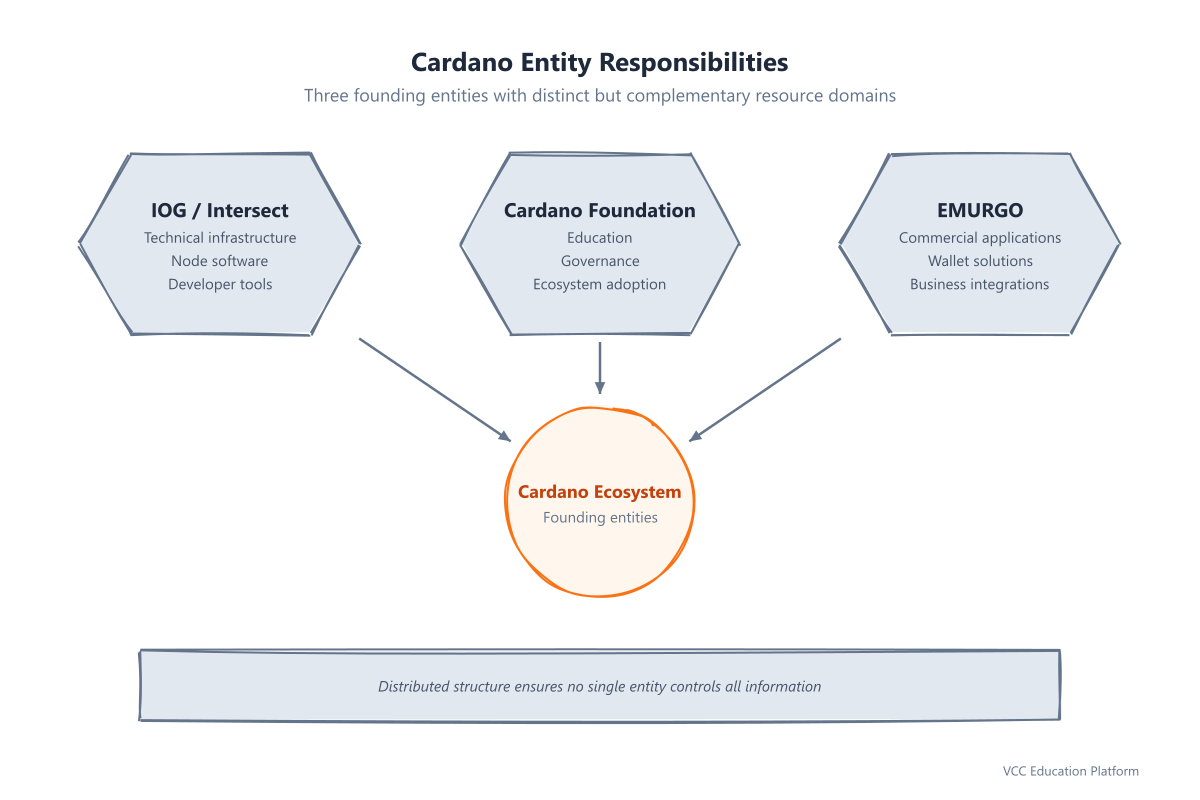
Figure 1: The three entities behind Cardano and the resources each one owns
Quick-Start Guide: Find the Right Resource for Your Goals
Instead of wandering through multiple websites, let's match your goal directly to the right official resource. Think of this as your personal navigation map—pick your scenario, and we'll tell you exactly where to go.
"I'm completely new to Cardano" → Start at cardano.org/get-started. This page provides a beginner-friendly introduction with clear next steps. From there, head to academy.cardanofoundation.org for the Blockchain Fundamentals course if you want structured learning. The Cardano official website is designed specifically for newcomers, with simple explanations and no technical jargon.
"I want to stake my ADA" → Visit cardano.org/staking for official staking information and cardano.org/wallets to choose an official wallet. The official wallet finder helps you compare Daedalus, Lace, and Yoroi based on your needs. Once you've selected a wallet, the staking section explains delegation, rewards, and how to choose a stake pool—all from official sources.
"I want to build on Cardano" → Go directly to developers.cardano.org. This is your gateway to SDKs, APIs, tutorials, and everything needed for development. Start with the "Fundamentals" section to understand Cardano's architecture, then move to "Start Building" for hands-on tutorials. The developer portal is maintained by IOG/Intersect and is the definitive source for technical documentation.
"I want to learn blockchain fundamentals" → academy.cardanofoundation.org offers free courses including Blockchain Fundamentals and the Cardano Blockchain Certified Associate (CBCA) certification. These courses are written and reviewed by experts, providing structured learning paths from beginner to advanced levels.
"I need official wallet information" → cardano.org/wallets is the official wallet finder. It lists official wallets (Daedalus, Lace, Yoroi) with clear comparisons of features, security characteristics, and use cases. This resource helps you avoid fake wallet websites and choose a wallet that matches your technical comfort level.
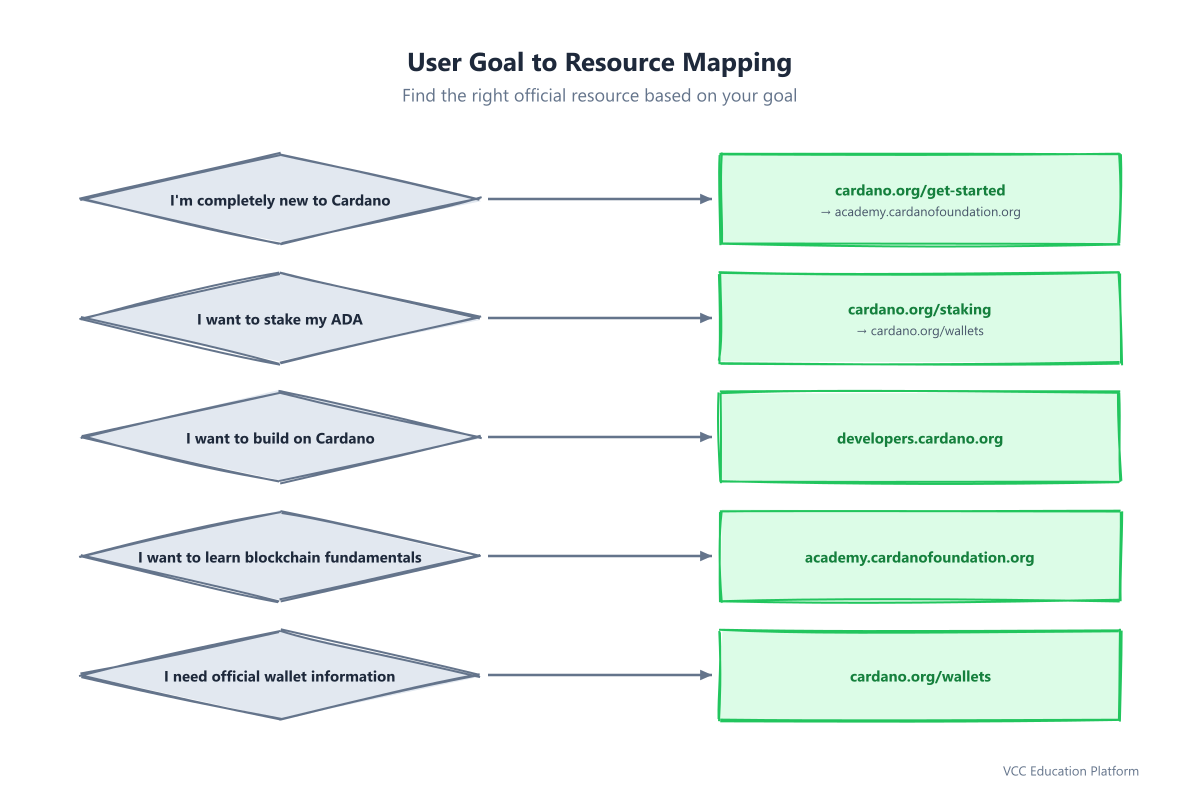
Figure 2: Match your goal to the right official resource
Cardano Official Website: Your Main Entry Point
The Cardano official website at cardano.org serves as the primary hub for anyone entering the ecosystem. Think of it as the front door to a large building—once you're inside, you'll find signs pointing you to specific rooms (other resources), but you start here. The website is organized by user intent rather than technical complexity, making it accessible to complete beginners while still providing value for intermediate users.
Key sections you'll find include Get Started, Wallets, Staking, Ecosystem, Governance, and News. The Get Started section is particularly valuable for newcomers—it walks you through downloading a wallet, understanding ADA, and taking your first steps without overwhelming you with technical details. The Wallets section is essential for security: it's the only place that lists officially recognized wallets, helping you avoid phishing scams and fake wallet sites.
The cardano official website is best suited for beginners and intermediate users who need general information, wallet selection guidance, or ecosystem overviews. It's not the place for deep technical documentation or developer tutorials—that's what docs.cardano.org and developers.cardano.org are for. However, the website does an excellent job of linking to these more specialized resources when you need them.
One unique feature of cardano.org is its governance section. Since Cardano's transition to on-chain governance (the Voltaire era), this section provides information on voting, delegated representatives (DReps), and how to participate in shaping the network's future. This makes the official website not just an information hub but an active participation platform.
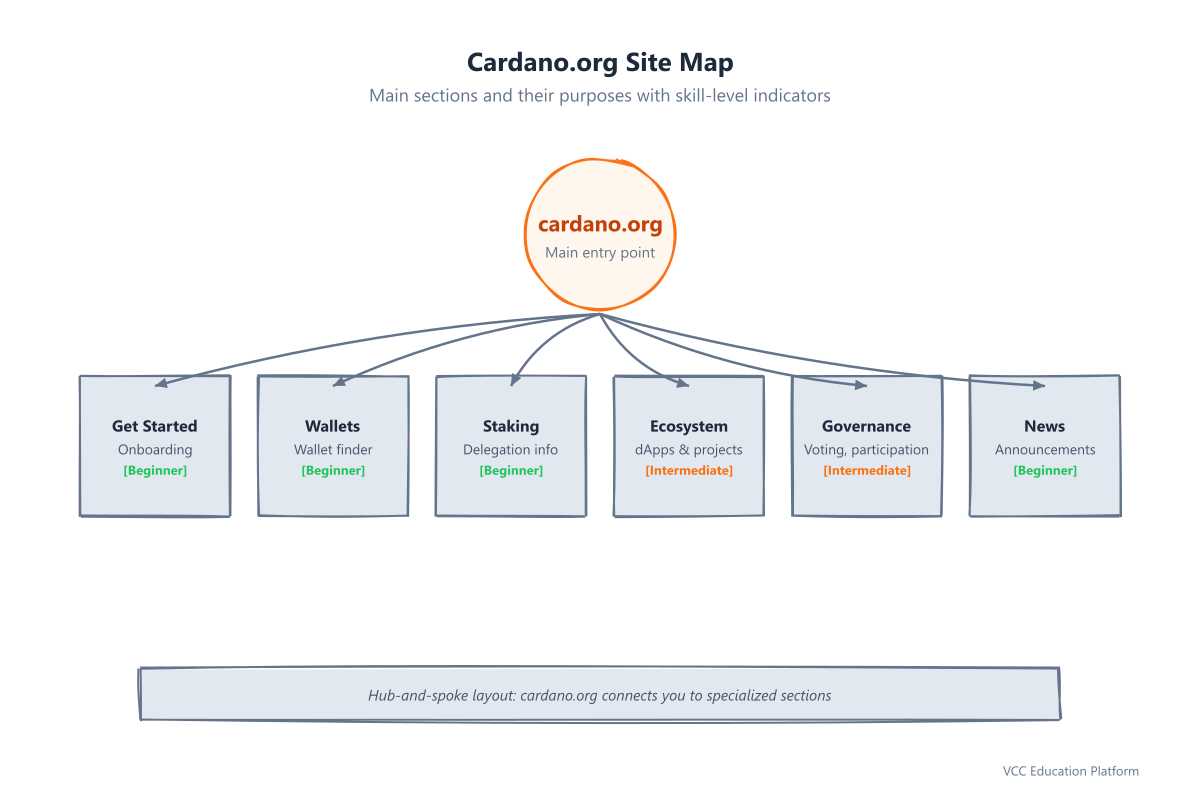
Figure 3: The cardano.org site map and what each section is for
Cardano Documentation Hub: Deep Technical Knowledge
When you're ready to move beyond surface-level understanding, docs.cardano.org becomes your essential resource. This documentation hub houses comprehensive technical content about Cardano's protocol, architecture, and functionality. Unlike the official website, which focuses on user-friendly explanations, the documentation hub provides the depth that intermediate and advanced users need.
The structure of docs.cardano.org reflects its dual purpose: educating and documenting. The "About Cardano" section contains conceptual explainers—articles that describe how Cardano works, why it was designed this way, and how it differs from other blockchains. The "Developer Resources" section contains technical references, command documentation, and tool guides. The "Learn Cardano" section bridges these two worlds with educational content that builds technical understanding gradually.
Cardano documentation is best suited for intermediate users who want deeper understanding and advanced users who need specific technical details. If you're trying to understand how Ouroboros consensus works, why Cardano uses the Extended UTXO model, or how transactions are validated, this is where you'll find authoritative answers. The documentation is maintained by IOG/Intersect and updated with each protocol upgrade, ensuring accuracy.
Navigation tip: Start with the "Introduction" in the About Cardano section. It provides a roadmap of the entire documentation site, helping you find relevant sections without getting lost. If you're a developer, the documentation hub will frequently direct you to developers.cardano.org for hands-on tutorials—this intentional separation keeps conceptual explanations separate from practical implementation.
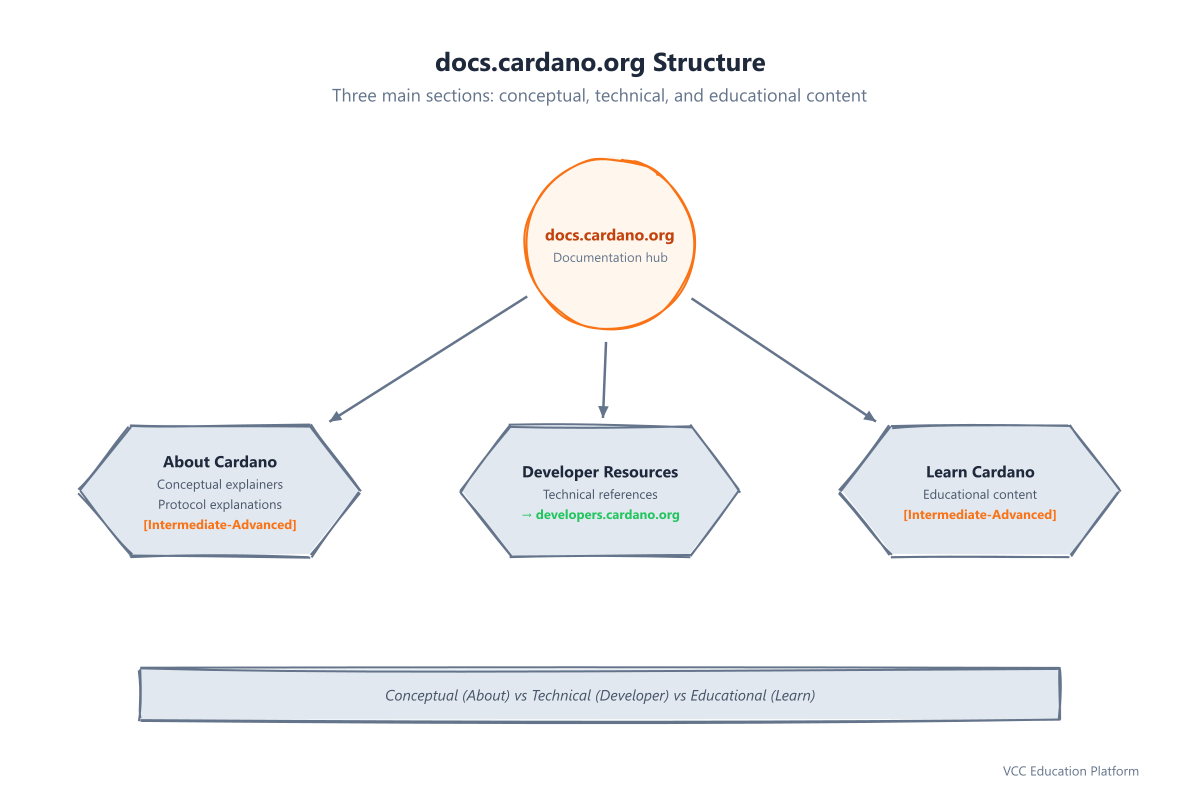
Figure 4: How the technical documentation is organized
Cardano Developer Portal: Building on Cardano
For developers, developers.cardano.org is not just a resource—it's a complete development environment. This portal provides everything needed to go from your first line of code to a production dApp: SDKs, APIs, tutorials, templates, and builder tools. Unlike documentation that explains concepts, the developer portal focuses on doing—showing you exactly how to build, test, and deploy on Cardano.
The portal is organized into logical sections: Get Started, Fundamentals, Start Building, and Builder Tools. The "Get Started" section helps you choose a network (mainnet, testnet, or local devnet), get test ADA from the faucet, and set up your development environment. The "Fundamentals" section explains the conceptual bedrock—blockchain basics, cryptography, Ouroboros consensus, and how Cardano differs from account-based chains like Ethereum. This section is invaluable if you're new to Cardano or blockchains in general.
The "Start Building" section provides hands-on tutorials that walk you through creating your first transaction, building a simple smart contract, and deploying to testnet. These tutorials are designed to be completed in sequence, building your skills progressively. The "Builder Tools" section categorizes SDKs, APIs, and libraries by language and function, making it easy to find the right tool for your project.
One standout feature is the "Cardano for Ethereum Developers" section. If you're coming from Ethereum development, this section translates Ethereum concepts (accounts, gas, smart contracts) into Cardano equivalents (UTxO, fees, Plutus scripts). This concept-by-concept mapping dramatically reduces the learning curve for Ethereum developers.
The cardano developer portal is best suited for intermediate to advanced developers. Beginners should start with the Fundamentals section before attempting the Start Building tutorials. The portal is maintained by IOG/Intersect and includes contributions from the broader developer community, making it a living resource that evolves with the ecosystem.
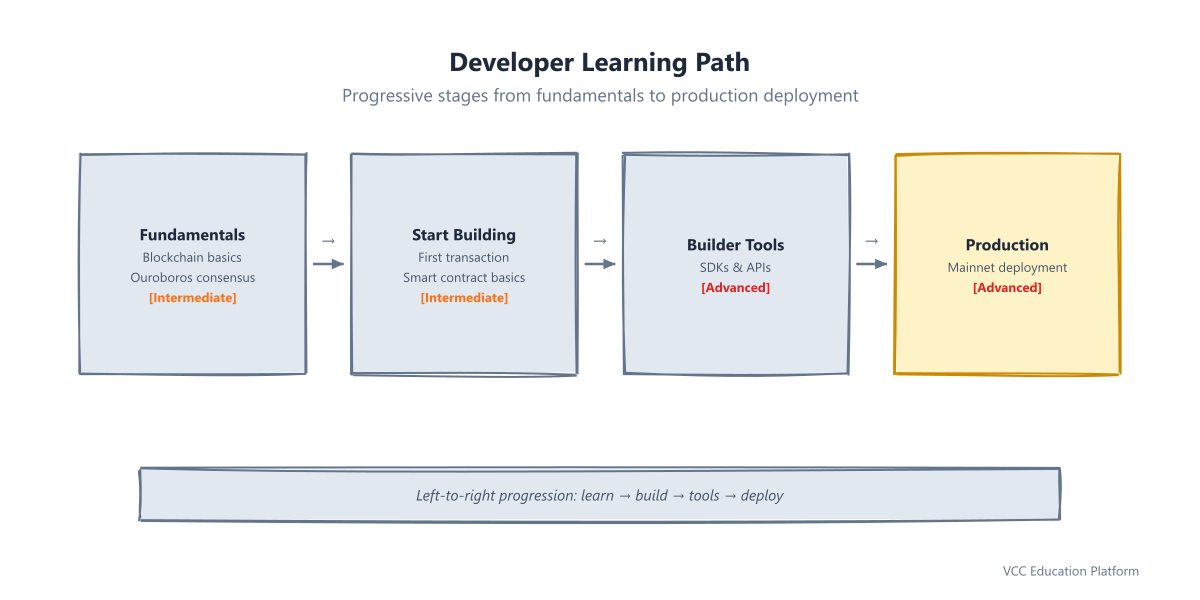
Figure 5: A learning path for developers getting started
Cardano Foundation Resources: Education & Certification
The Cardano Foundation's educational resources at academy.cardanofoundation.org serve a different purpose than technical documentation—they provide structured learning paths and formal certification. Whether you're a complete beginner or an experienced professional, the Foundation's resources offer validated knowledge that can advance your career and deepen your understanding.
The flagship offering is the Cardano Blockchain Certified Associate (CBCA) certification. This comprehensive course covers blockchain fundamentals with a specific focus on Cardano technology. It progresses from basic concepts to advanced topics, including an in-depth look at Cardano's architecture and how to get started. Unlike informal tutorials, the CBCA certification provides formal validation of your knowledge—valuable for professionals seeking to demonstrate Cardano expertise to employers or clients.
For those not ready for certification, the Blockchain Fundamentals course offers a free introduction to blockchain technology. It's ideal for learners new to blockchain who want to understand what it is, how it works, and its evolving use cases. The course is self-paced, accessible from any device, and includes assessments to test your understanding.
The Foundation also maintains governance resources, including information on Cardano Improvement Proposals (CIPs), Project Catalyst (the community funding system), and on-chain governance participation. These resources are essential for anyone who wants to participate in shaping Cardano's future through voting or proposal submission.
Cardano Foundation resources are suitable for all skill levels. The courses are tiered, allowing you to start with fundamentals and progress to advanced topics. The certification path is particularly valuable for professionals in Vietnam and other regions where blockchain expertise is in growing demand—having a recognized certification can distinguish you in the job market.
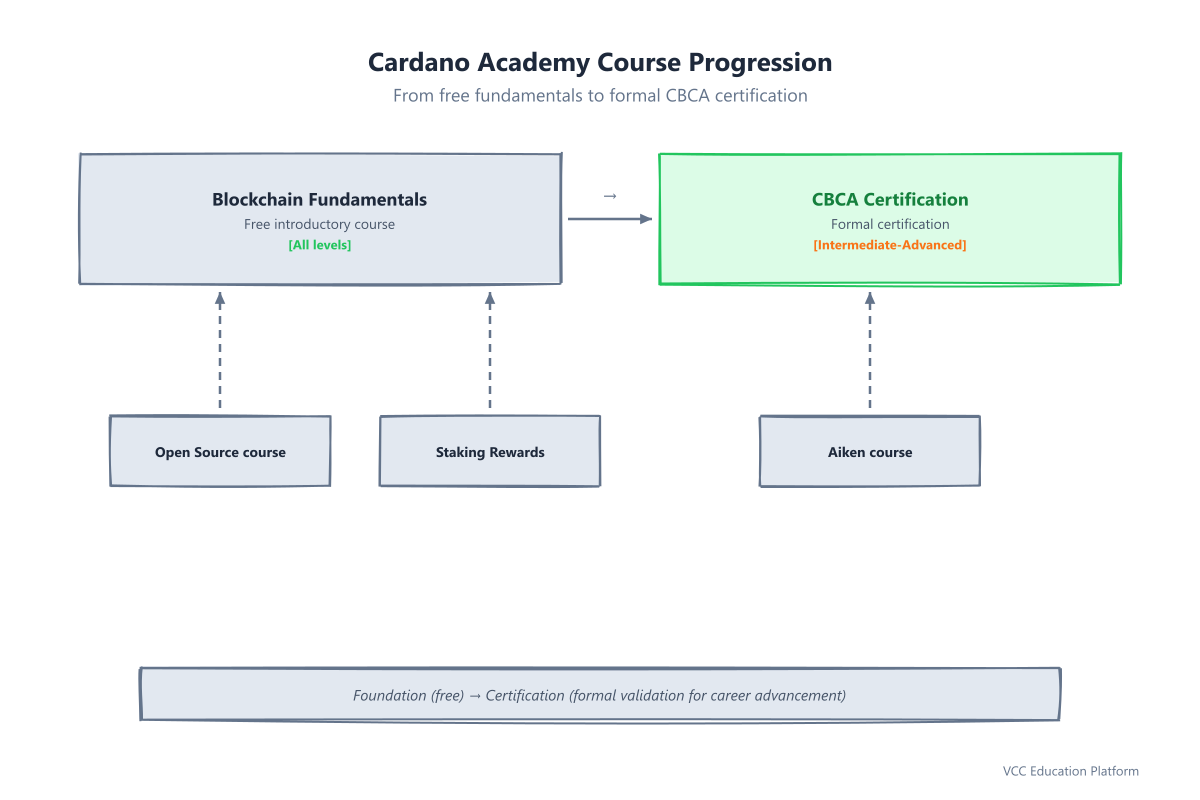
Figure 6: The Cardano Academy learning journey
Official Wallet Resources: Secure Your ADA
Choosing a wallet is one of the most important decisions you'll make in Cardano—it's the interface through which you'll store, stake, and transact your ADA. Official wallet resources at cardano.org/wallets provide the only authoritative list of wallets developed or recognized by Cardano's founding entities. Using these resources ensures you avoid fake wallet websites and choose a wallet that meets your security and usability needs.
Three official wallets are highlighted: Daedalus, Lace, and Yoroi (now SecondFi). Daedalus is a full-node desktop wallet developed by IOG. It downloads the entire Cardano blockchain and validates every transaction independently, providing maximum security through trustless operation. This makes Daedalus ideal for security-conscious users who want complete autonomy, though it's resource-intensive and requires significant disk space.
Lace is a light wallet from IOG available as a browser extension and desktop application. It's designed for everyday use with a clean, familiar interface. Lace supports ADA and native tokens, NFT exploration, staking, and dApp connection. Its non-custodial design means your keys remain under your control, but you don't need to download the full blockchain. This makes Lace ideal for most users who want a balance of security and convenience.
Yoroi, developed by EMURGO, has evolved into SecondFi—a self-custodial platform that goes beyond simple wallet functionality. It now supports multi-chain operations for 10,000+ assets, swapping across networks, and even a physical card for spending crypto globally. Despite this expansion, Yoroi/SecondFi maintains its roots as a Cardano-focused light wallet with mobile and browser options.
Official wallet resources are best for all users holding ADA, regardless of technical skill level. The wallet finder at cardano.org/wallets helps you compare features and choose based on your needs. All official wallets share core security characteristics: they're non-custodial (you control your keys), open-source (code is auditable), and encrypted (keys are stored locally). These security guarantees are why using official wallet resources matters—third-party wallets may not offer the same level of scrutiny or transparency.
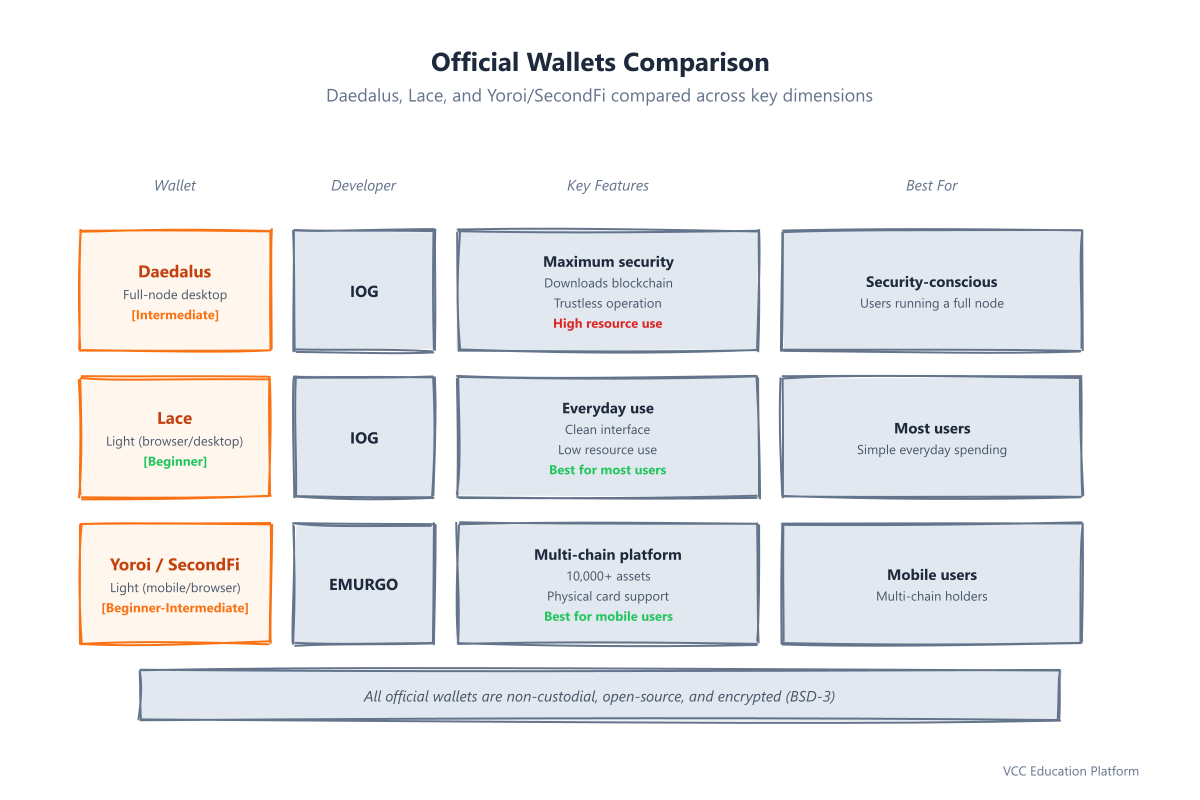
Figure 7: Official Cardano wallets compared
Additional Official Resources by Category
Beyond the main hubs, Cardano maintains specialized official resources for specific needs. Understanding these resources helps you find the right tool for any task without leaving the official ecosystem.
Governance Resources: Cardano's on-chain governance system is documented across multiple official sources. CIPs (Cardano Improvement Proposals) at cips.cardano.org host the full repository of governance standards and protocol change proposals. Project Catalyst, the community funding and proposal system, is accessible through gov.cardano.io and explained in docs.cardano.org. Intersect MBO (intersectmbo.org) oversees governance implementation and maintains the Cardano Constitution—the foundational document that guides on-chain decision-making. For hands-on participation, Govtool provides the interface for voting, delegating to DReps, and submitting governance actions.
Explorers: explorer.cardano.org serves as an aggregator that links to multiple Cardano block explorers. This deeplink capability lets you view transactions, addresses, and blocks across different explorer interfaces. The mainnet explorer is at explorer.cardano.org, while testnet explorers are available at explorer.cardano.org/preprod and explorer.cardano.org/preview. Explorers are essential for verifying transactions, monitoring stake pool performance, and researching on-chain activity.
Testnets: Cardano maintains two primary testnets for development and testing. Preview testnet (network magic 2) is used to test upcoming features 4+ weeks before they reach mainnet. Preprod testnet (network magic 1) mirrors mainnet closely and is used for final validation before deployment. Both testnets provide test ADA (tAda) through the official faucet at docs.cardano.org/cardano-testnets/tools/faucet. Testnets are crucial for developers who want to test code without risking real ADA, and for users who want to experiment with new features safely.
Research: IOHK maintains a library of research papers and whitepapers covering the theoretical foundations of Cardano. The original Ouroboros whitepaper, Plutus platform documentation, and formal verification papers are all available through iohk.io/en/research. These resources are best suited for researchers, academics, and advanced developers who want to understand the mathematical and computer science principles behind Cardano.
Community: Official community channels provide spaces for discussion, support, and collaboration. forum.cardano.org is the official discussion platform with sections for general discussion, development, and governance. Discord servers include the Cardano Foundation Discord, IOG Technical Discord, and Cardano Community Discord—each serving different purposes from governance discussions to technical deep-dives. Reddit communities include r/Cardano (general ecosystem) and r/CardanoDevelopers (development-focused). These community resources are where you can ask questions, share projects, and connect with other Cardano enthusiasts.
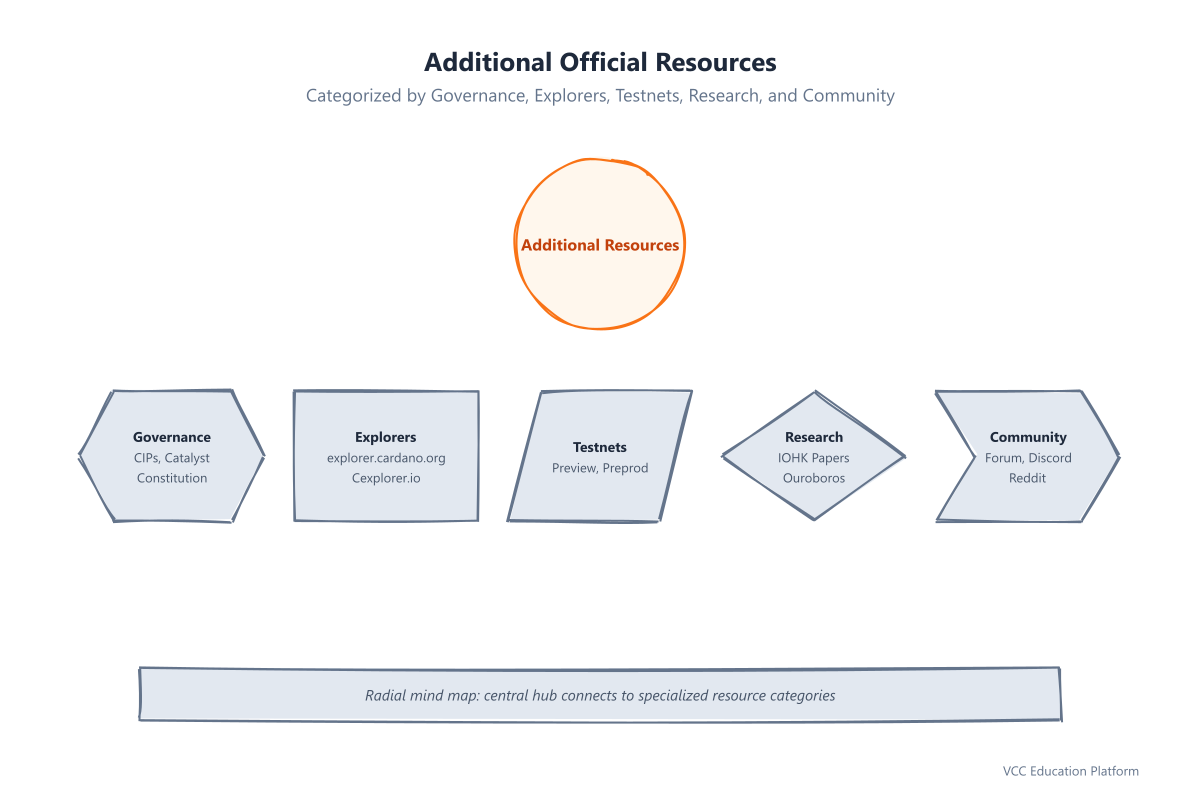
Figure 8: More official resources worth knowing about
How to Navigate Official Resources Effectively
With official resources spread across multiple domains, effective navigation requires strategy. Here's how to make the most of Cardano's official ecosystem without getting overwhelmed.
First, bookmark the essentials: cardano.org (main entry point), docs.cardano.org (technical documentation), developers.cardano.org (developer portal), and academy.cardanofoundation.org (education). These four hubs cover 90% of user needs. When you encounter a link to another official resource (like intersectmbo.org or cips.cardano.org), bookmark it if it's relevant to your interests.
Second, understand the domain separation. cardano.org is for general information and wallet selection. docs.cardano.org is for conceptual understanding and technical references. developers.cardano.org is for hands-on development. academy.cardanofoundation.org is for structured learning and certification. If you're unsure where to start, begin at cardano.org/get-started—it will direct you to the appropriate specialized resource.
Third, stay updated. Official resources are actively maintained, but you need to know when changes occur. Follow Cardano's official social media channels (@Cardano_CF, @InputOutputHK, @IntersectMBO) and subscribe to newsletters from the Cardano Foundation and IOG. These channels announce major updates, new features, and important security information.
Finally, know when to ask for help. Official community channels (Discord, Forum, Reddit) are staffed by community members and sometimes by entity representatives. If you can't find an answer in the documentation, ask in these spaces—but always verify information against official sources before acting on it, especially for security-critical tasks like wallet setup or transaction signing.
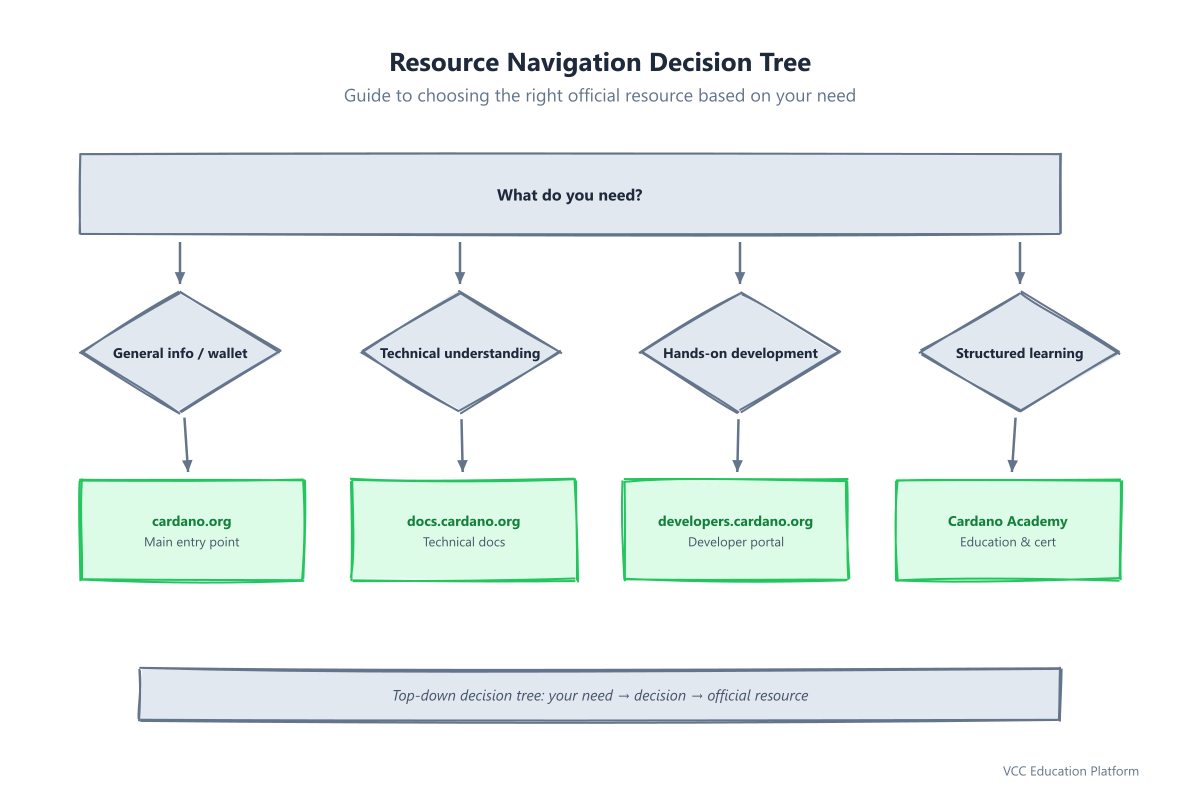
Figure 9: A quick guide to picking the right resource
Frequently Asked Questions About Official Cardano Resources
How do I know if a resource is official? Official resources are hosted on domains owned by Cardano's founding entities: cardano.org, docs.cardano.org, developers.cardano.org, academy.cardanofoundation.org, intersectmbo.org, and cips.cardano.org. Additionally, official wallets are listed exclusively at cardano.org/wallets. If a resource claims to be official but isn't on these domains or listed in the official wallet finder, treat it as unofficial.
Are official resources always up to date? Official resources are actively maintained by the entities that own them, but update frequency varies. Technical documentation (docs.cardano.org) and the developer portal (developers.cardano.org) are updated frequently with each protocol upgrade. The main website (cardano.org) is updated for major announcements and feature launches. Always check the "last updated" date on documentation pages and cross-reference with official announcements if you're unsure about currency.
Can I trust third-party resources? Third-party resources can be valuable, but they should always be verified against official sources. Community tutorials, blog posts, and YouTube videos may contain outdated information or security risks. Use third-party resources for supplementary learning, but confirm critical information (especially wallet addresses, commands, and security practices) with official resources before taking action.
Where do I report outdated information? If you find outdated or incorrect information on official resources, report it through the appropriate channel. For documentation issues, you can submit corrections via GitHub (most official docs are open-source). For website issues, contact the entity through their official support channels. For governance resources, Intersect MBO welcomes community feedback on documentation accuracy.
What's the difference between cardano.org, docs.cardano.org, and developers.cardano.org? cardano.org is the main entry point for general information, wallet selection, and ecosystem overview. docs.cardano.org houses technical documentation and conceptual explanations about how Cardano works. developers.cardano.org provides hands-on development resources, SDKs, APIs, and tutorials for building on Cardano. Think of cardano.org as the front door, docs.cardano.org as the library, and developers.cardano.org as the workshop.
Conclusion
Official Cardano resources provide a trustworthy, comprehensive foundation for engaging with the Cardano ecosystem. By understanding how these resources are organized across cardano.org, docs.cardano.org, developers.cardano.org, and academy.cardanofoundation.org, you can navigate the ecosystem efficiently and safely. Whether you're a complete beginner exploring Cardano for the first time, a developer building your first dApp, or a community member participating in governance, official resources give you the accurate, up-to-date information you need.
The key is to match your goal to the right resource: use cardano.org for general information and wallet selection, docs.cardano.org for technical understanding, developers.cardano.org for hands-on development, and academy.cardanofoundation.org for structured learning. By staying within the official ecosystem, you protect yourself from scams, outdated information, and security risks while accessing the highest-quality information available.
Cardano's distributed governance model means official resources are spread across multiple domains, but this diversity is a strength—it ensures no single entity controls all information and provides specialized resources for different needs. With this guide as your navigation map, you can confidently explore Cardano's official resources and make the most of everything the ecosystem has to offer.