
You've heard about Cardano — maybe a friend mentioned it, or you saw it on the news. Now you want to try it yourself, but you're not sure where to begin. Good news: getting started with Cardano takes about 15 minutes. By the end of this guide you'll have opened a wallet, received some ada, and made your first transfer — and you'll know exactly what not to do so you don't lose anything.
Here's the one-sentence version: Getting started with Cardano means three things — set up a wallet, get some ada, and learn to move it safely. Staking (earning passive rewards) can come later, once you're comfortable.
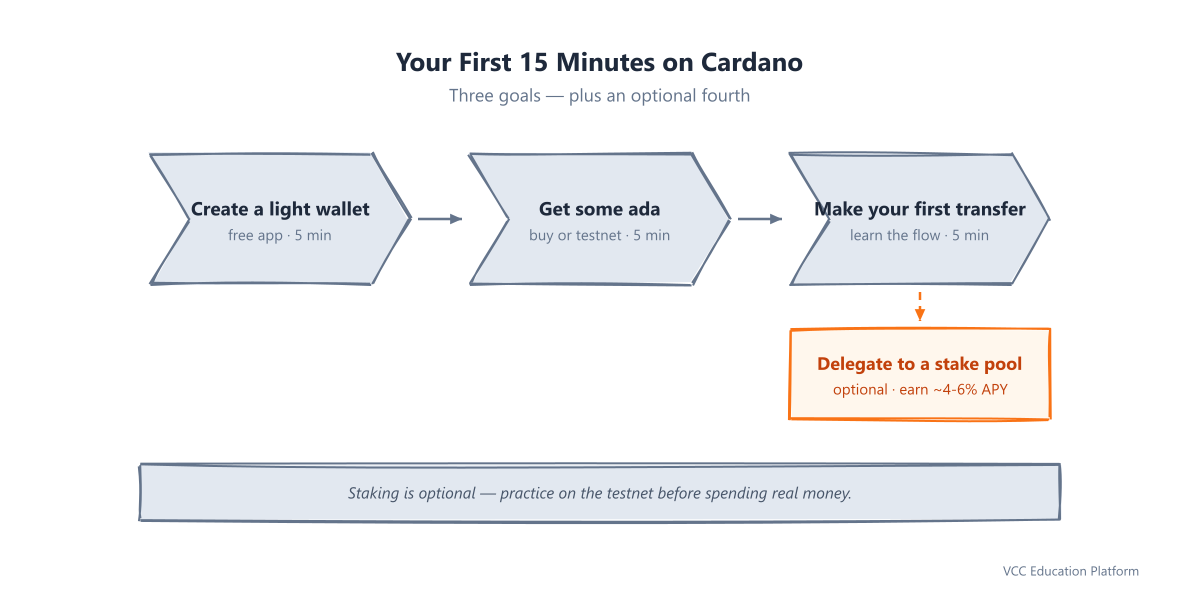
Figure 1: Your first 15 minutes on Cardano — three goals, plus an optional fourth
What You Can Do in Your First 15 Minutes
In your first session on Cardano you can realistically complete three goals:
- Open a Cardano wallet — a free app that stores your ada (5 minutes)
- Get some ada — buy a small amount or use free test ada to practice (5 minutes)
- Make your first transfer — send ada between your own wallets to learn the flow (5 minutes)
Staking — earning ~4-6% APY by lending your "voting weight" to the network — is optional and can wait. It's the easiest passive income in crypto, but don't rush it on day one.
Step 1: Choose a Light Wallet (Not a Heavy One)
Cardano has two kinds of wallets, and for beginners the choice is easy:
Light wallets — free apps that run on your phone or browser. They don't download the whole blockchain, so they're instant and lightweight. The most popular for beginners are Lace (official IOG wallet, modern design), Yoroi (oldest light wallet, simple), Eternl (feature-rich, great staking tools), and Vespr (mobile-first).
Full-node wallets — like Daedalus — download the entire Cardano blockchain (~150+ GB). They're the most decentralized option but require a powerful computer and hours of syncing. Not needed to get started.
For most people, especially mobile-first users, a light wallet like Lace or Vespr is the right choice.
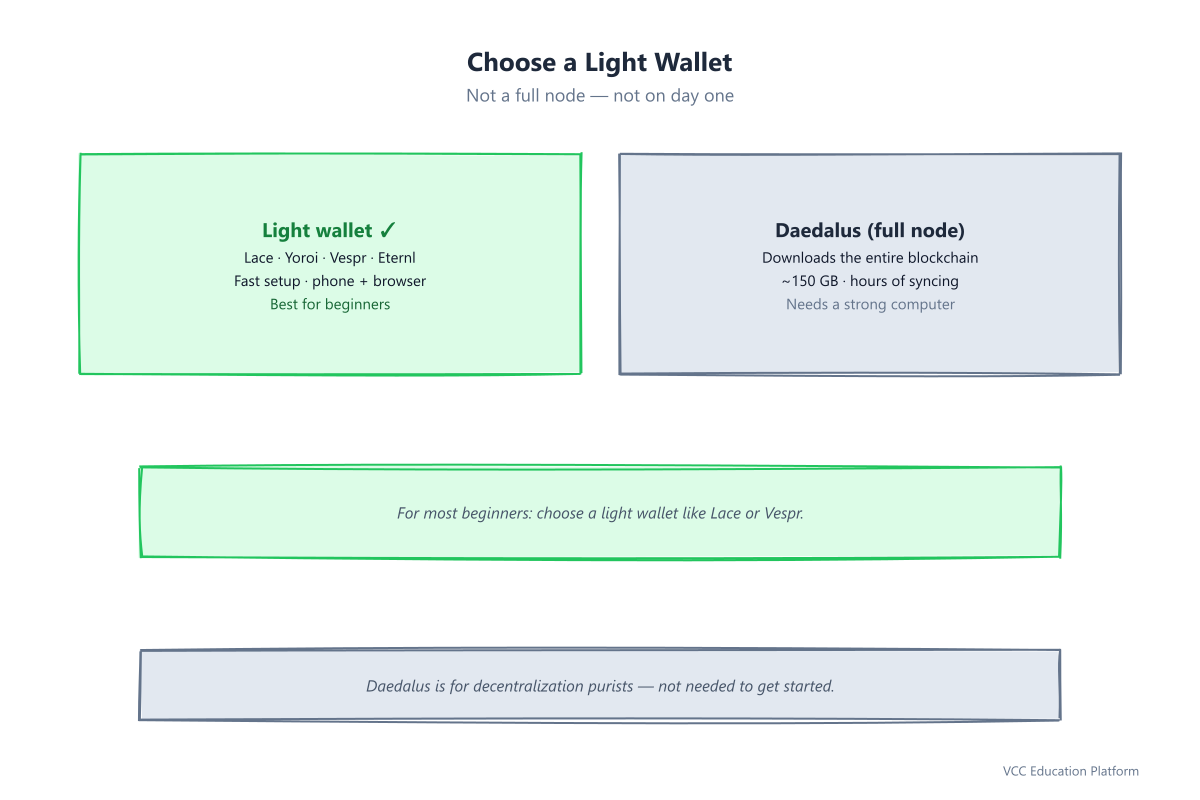
Figure 2: Choose a light wallet — not a full node on day one
Step 2: Write Down Your Recovery Phrase
This is the single most important moment in getting started. When you create a wallet, it gives you a recovery phrase — 12 or 24 random words. This phrase is the ONLY way to restore your wallet if you lose your phone or computer.
The golden rule: "Not your keys, not your coins."
- Do write the phrase on paper and store it somewhere safe (offline)
- Do keep multiple copies in different places
- Do NOT save it on your phone, in your notes app, or as a screenshot
- Do NOT type it into any website, ever
- Do NOT share it with anyone — even "support" or "official" accounts
Anyone who has your recovery phrase owns your ada. Cardano is non-custodial: there is no bank, no help desk, no one to call if you lose it.
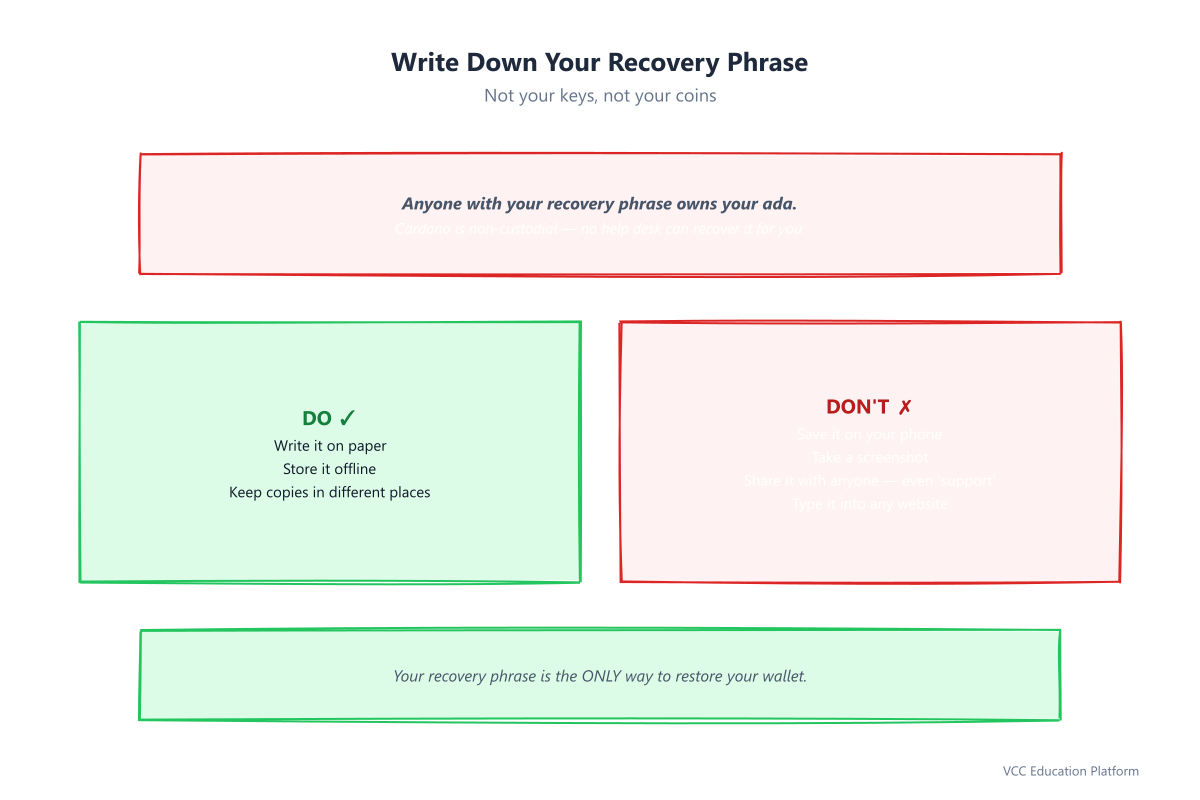
Figure 3: Write down your recovery phrase — not your keys, not your coins
Step 3: Get Some Ada
Once your wallet is ready, you need ada to pay transaction fees and hold value. Two main paths:
Buy on an exchange (most common):
- Create an account on an exchange like Binance, Coinbase, or Kraken
- Deposit money (bank transfer, card, or for Vietnamese users: P2P)
- Buy a small amount of ADA — start with the equivalent of just a few dollars
- Send it to your own wallet address
Practice on the testnet first (zero risk): Cardano has a free testnet faucet (docs.cardano.org) that gives you free test ada. Test ada has no real value — perfect for practicing transfers, receiving addresses, and staking without risking a cent. Smart beginners always practice on the testnet before moving real money.
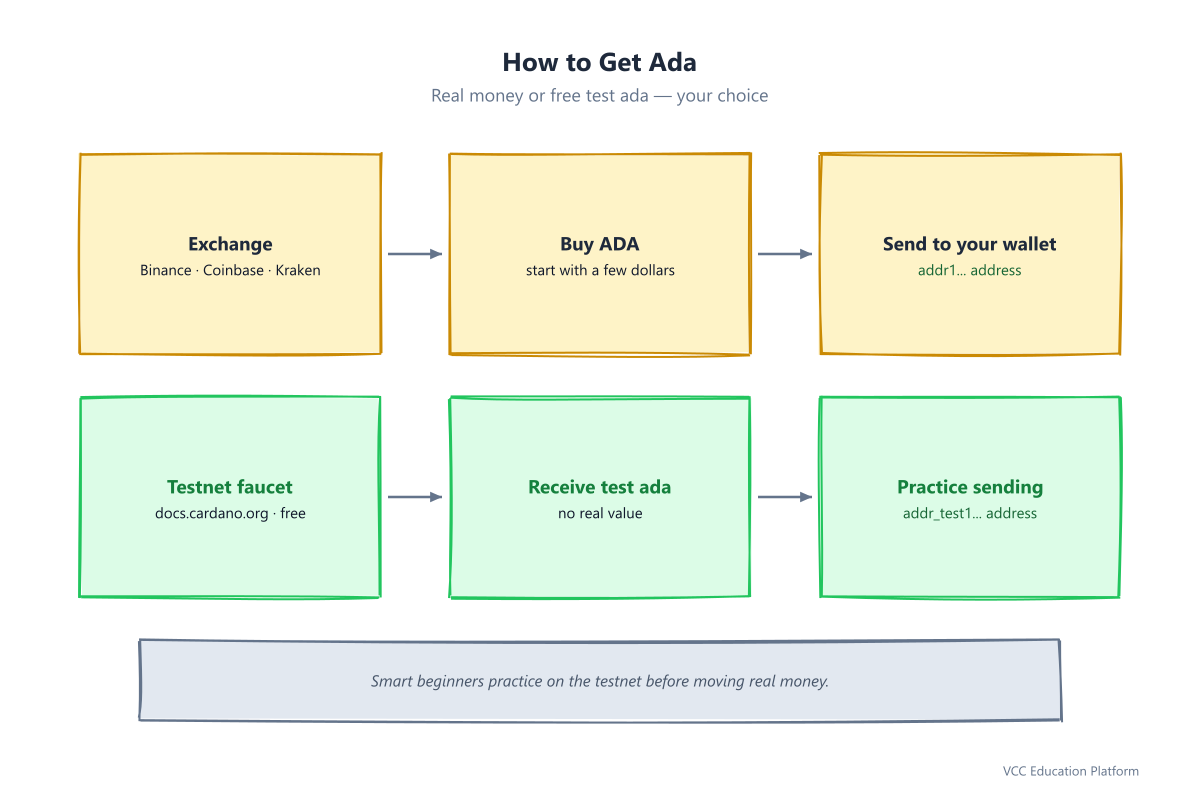
Figure 4: How to get ada — real money or free test ada
Step 4: Send Your First Transfer
Now the fun part. From your wallet, tap "Send", paste a receiving address (yours or a friend's), enter an amount, and confirm.
- Cardano addresses start with
addr1(mainnet) oraddr_test1(testnet) - A transaction takes about 20 seconds to land
- Fees are tiny — roughly 0.17 ada per transaction (well under a dollar), far cheaper than Ethereum
- Double-check the address before sending — if you send to the wrong address, it's gone forever
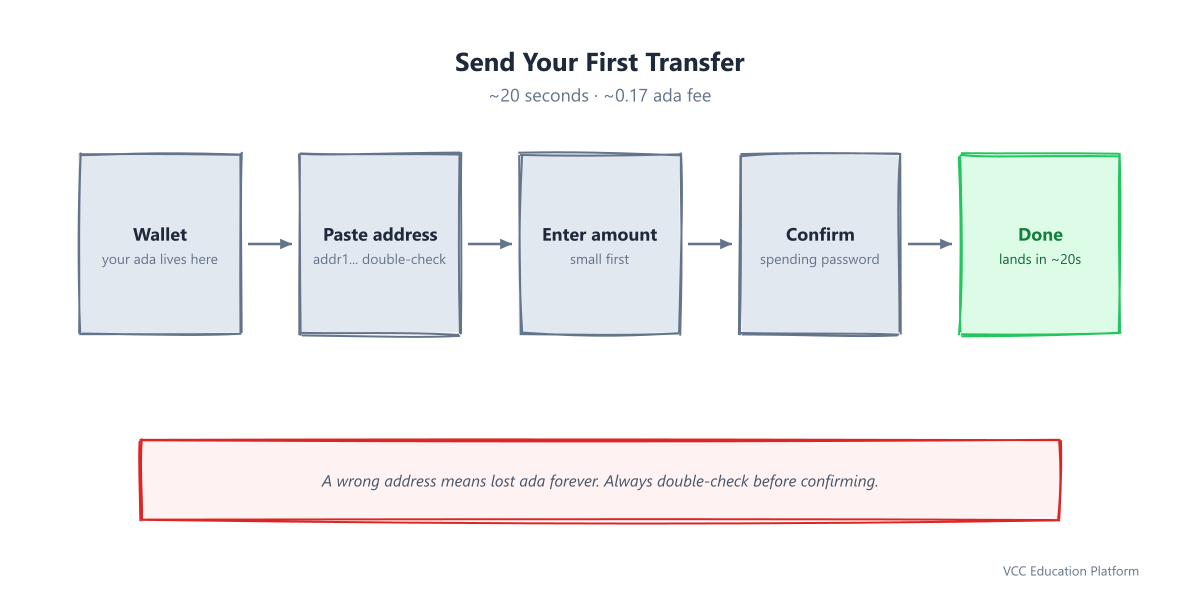
Figure 5: Send your first transfer — ~20 seconds and a tiny fee
Step 5 (Optional): Delegate to a Stake Pool
Once you're comfortable, staking is the easiest way to earn passive income on Cardano:
- Open your wallet's "Staking" or "Delegation" tab
- Choose a stake pool (your wallet shows thousands, with fees and performance)
- Delegate your ada — your coins stay in your wallet, nothing is locked
- Earn rewards every epoch (5 days), roughly 4-6% APY
Unlike staking on some other blockchains, Cardano staking does NOT lock your funds. You can spend or move your ada anytime. It's closer to earning "dividends" while keeping full ownership — like leaving money in a savings account you can spend at any moment.
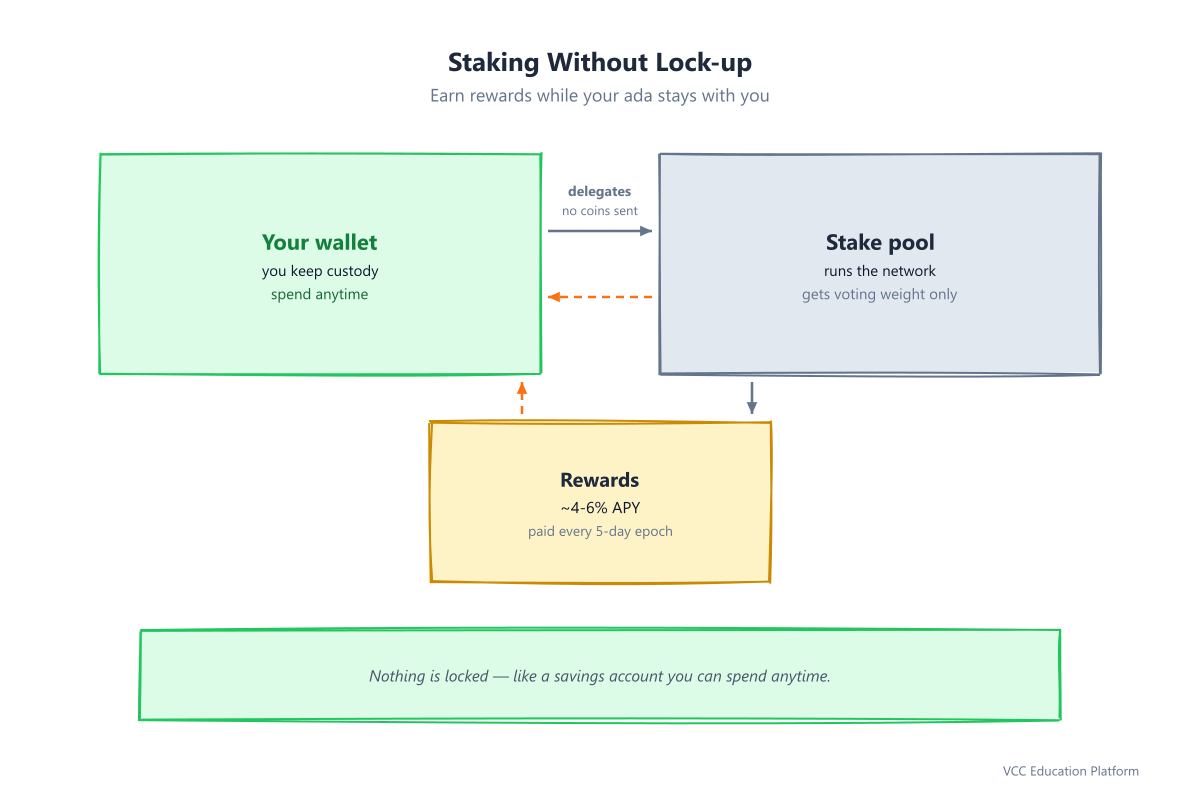
Figure 6: Staking — earn rewards while your ada stays with you
Common Mistakes to Avoid
Even experienced users slip up. Here are the mistakes beginners make most often:
- Sharing the recovery phrase — the #1 cause of stolen crypto
- Sending ada to the wrong network — always match the network (Cardano) when withdrawing from an exchange
- Trusting "official" DMs or fake support — nobody official ever messages you first
- Buying from unknown websites — only use reputable exchanges
- Forgetting testnet addresses start with
addr_test1— sending mainnet ada to a testnet address loses it
The good news: avoid these five and you're already ahead of most newcomers.
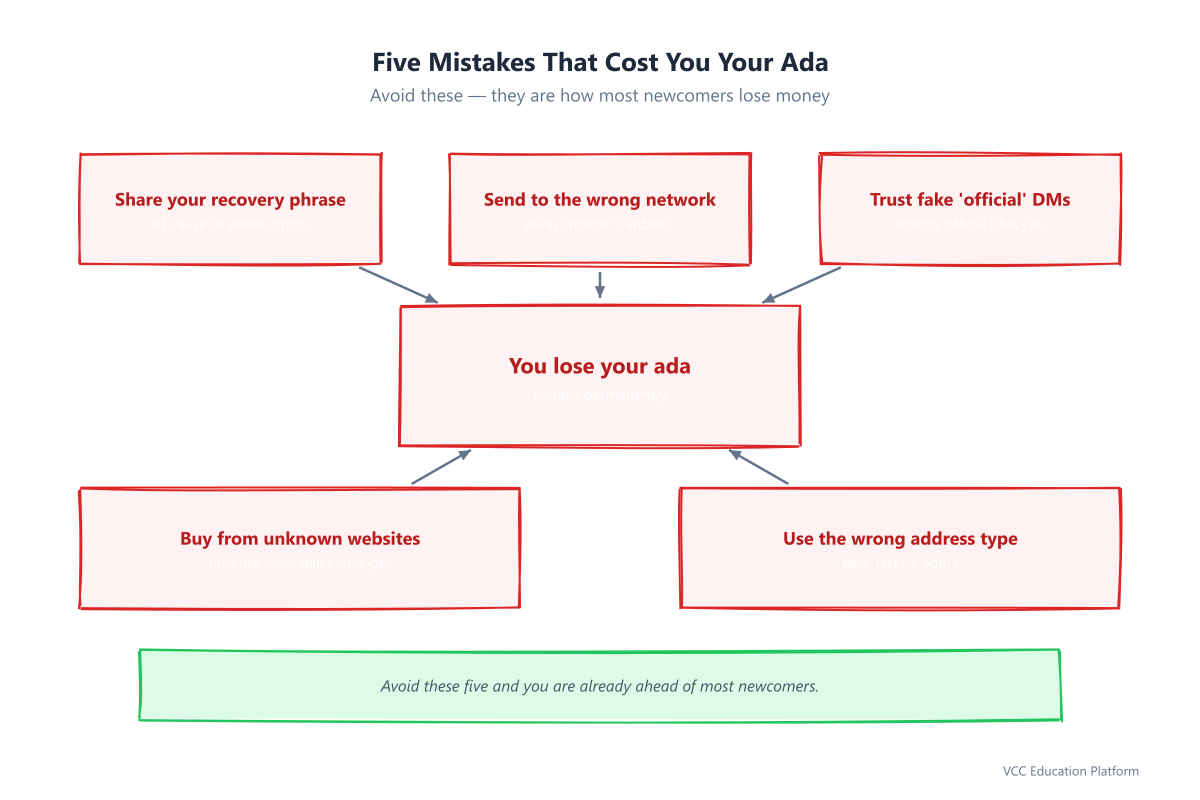
Figure 7: Five mistakes that cost you your ada
FAQ
Is Cardano safe? Cardano is one of the most research-driven blockchains, peer-reviewed by academics since 2015 (cardano.org). But "safe" is your responsibility too — most losses come from mistakes like sharing recovery phrases, not from the network.
Do I need to pay anything to start? No. Creating a wallet is free, and testnet ada is free. You only need real ada when you're ready to hold or transfer value.
Can I lose ada by staking? No. Your ada never leaves your wallet when you delegate. The only "risk" is that a poorly-performing pool earns you slightly less — your ada itself is never at risk.
What's Next
You've completed your first 15 minutes on Cardano. From here, the journey continues:
- Next: How to receive ADA — get more ada into your wallet safely
- Understanding what ADA actually is and why it matters
- How staking rewards work under the hood
- New to the whole space? Start with What is Cardano? or What is cryptocurrency?
Welcome to the network — take it slow, practice on the testnet, and never rush with real money.
Quick Reference
| Property | Value |
|---|---|
| Time to get started | ~15 minutes |
| Best beginner wallets | Lace, Vespr, Yoroi, Eternl |
| Full-node wallet | Daedalus (downloads full blockchain) |
| Transaction fee | ~0.17 ada (~$0.10) |
| Confirmation time | ~20 seconds |
| Staking reward | ~4-6% APY, paid every 5-day epoch |
| Staking lock-up | None — ada stays in your wallet |
| Mainnet address prefix | addr1 |
| Testnet address prefix | addr_test1 |
| Practice network | Free test ada via the testnet faucet |