
If you are looking for an Eternl wallet guide, you have probably heard it described as the most feature-packed wallet on Cardano — and that reputation is earned. Eternl lets you send and receive ADA and native tokens, stake to any of more than 3,000 Cardano stake pools, manage NFTs, browse and approve dApps, and even vote on Cardano's on-chain governance — all from one light wallet that syncs in seconds.
Since the Yoroi shutdown in 2026, Eternl has become a leading choice for Cardano users who want power features without running a full node. It also ships a full Vietnamese interface — a big deal for Vietnamese-speaking Cardano holders, who were among the hardest hit when Yoroi closed. This guide explains what Eternl is, walks through its most useful features, and shows you how to set it up and stake safely.
What Is the Eternl Wallet?
What is Eternl? Eternl is a non-custodial Cardano light wallet built by Tastenkunst GmbH, a German development team that has worked in the Cardano ecosystem since 2021. "Non-custodial" means it does exactly what the name implies: you — and only you — control your private keys. Your keys are generated on your own device, encrypted with a spending password, and stored locally. They are never sent to Eternl's servers.
An Eternl light wallet does not download the full Cardano blockchain. Instead of validating every block like a full node (the job of Daedalus), Eternl asks backend servers for your balance and transaction history, then lets you sign transactions locally. That is why it opens and syncs in seconds, even on a phone.
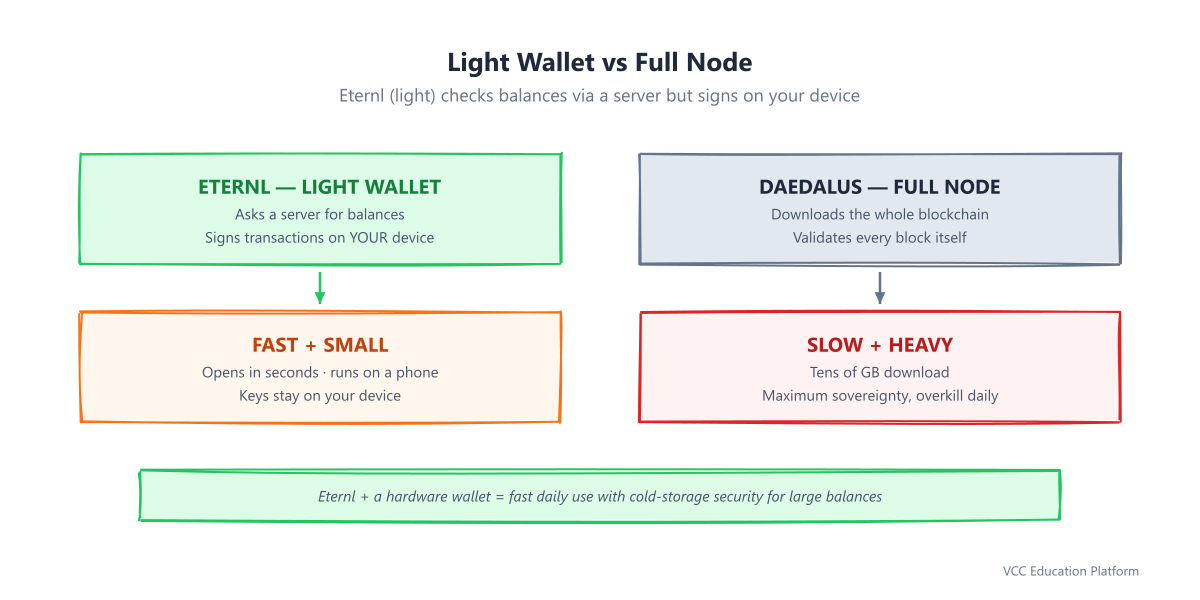
Figure 1: Light wallet vs full node — why Eternl syncs in seconds
Eternl is available three ways from the same account: a browser extension (Chrome, Edge, Brave, Opera), a web wallet at eternl.io, and mobile apps for iOS and Android. The same recovery phrase opens all of them, so you can use your wallet on any device without setup friction.
Key idea: Eternl is non-custodial. Whoever holds your seed phrase controls your funds — Eternl cannot, and neither can anyone who phishes you into revealing it. Guard the phrase like money.
Where Eternl Comes From
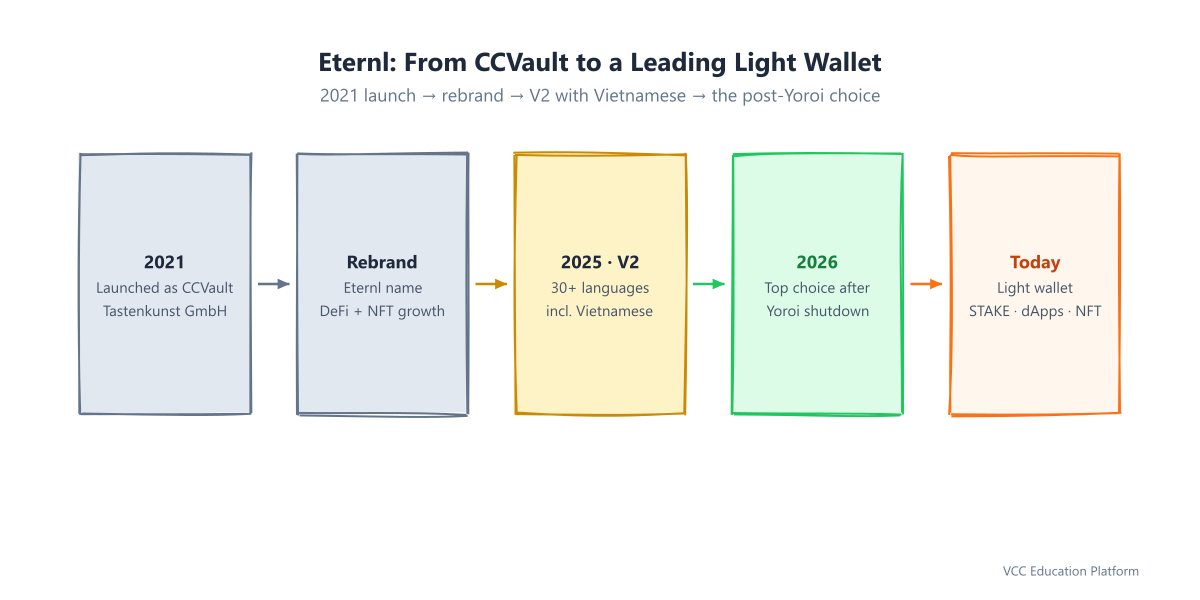
Figure 2: Where Eternl comes from — CCVault to Eternl V2
Knowing who builds your wallet matters — the Yoroi disaster taught the whole ecosystem that lesson. Eternl's team, Tastenkunst GmbH, launched the wallet in 2021 under the name CCVault. As Cardano's DeFi ecosystem grew through 2022 and 2023, CCVault gained a reputation with power users for features other wallets lacked. It rebranded to Eternl and kept expanding.
In early 2025, the Eternl V2 release brought a major overhaul: a rebuilt interface, customizable date/time formats, and support for more than 30 interface languages — including Vietnamese. For Vietnamese Cardano holders, that turned Eternl from "powerful but intimidating" into genuinely accessible.
One honest note before you trust it with real money: unlike Lace or Yoroi, Eternl's code is not fully open source, and no independent security audit has been published. Its reputation rests on a long operating history and a large community base rather than third-party review. That does not make it unsafe — but it is a trade-off worth knowing, and it is exactly why pairing Eternl with a hardware wallet for large balances is wise.
Why Choose an Eternl Light Wallet?
An Eternl light wallet fits most Cardano users better than a full node. Here is when each makes sense:
- Eternl (light wallet). You want to send, receive, stake, use dApps, and manage NFTs without a huge download. Great default for daily use — and now fully usable in Vietnamese.
- Daedalus (full node). You want maximum sovereignty and are willing to download and store the entire blockchain (tens of gigabytes) and let your machine validate every block. Overkill for most people.
- Hardware wallet (Ledger/Trezor/Keystone/OneKey). You hold serious value and want the private key to never exist in software at all. Note: Eternl itself supports these — you pair a hardware device with Eternl rather than choosing one or the other.
For most Eternl Cardano holders, light-wallet convenience outweighs full-node sovereignty. The practical sweet spot for most people: Eternl as the everyday interface, with a hardware wallet connected for the accounts that hold the most ADA.
Eternl Features: The Full Walkthrough
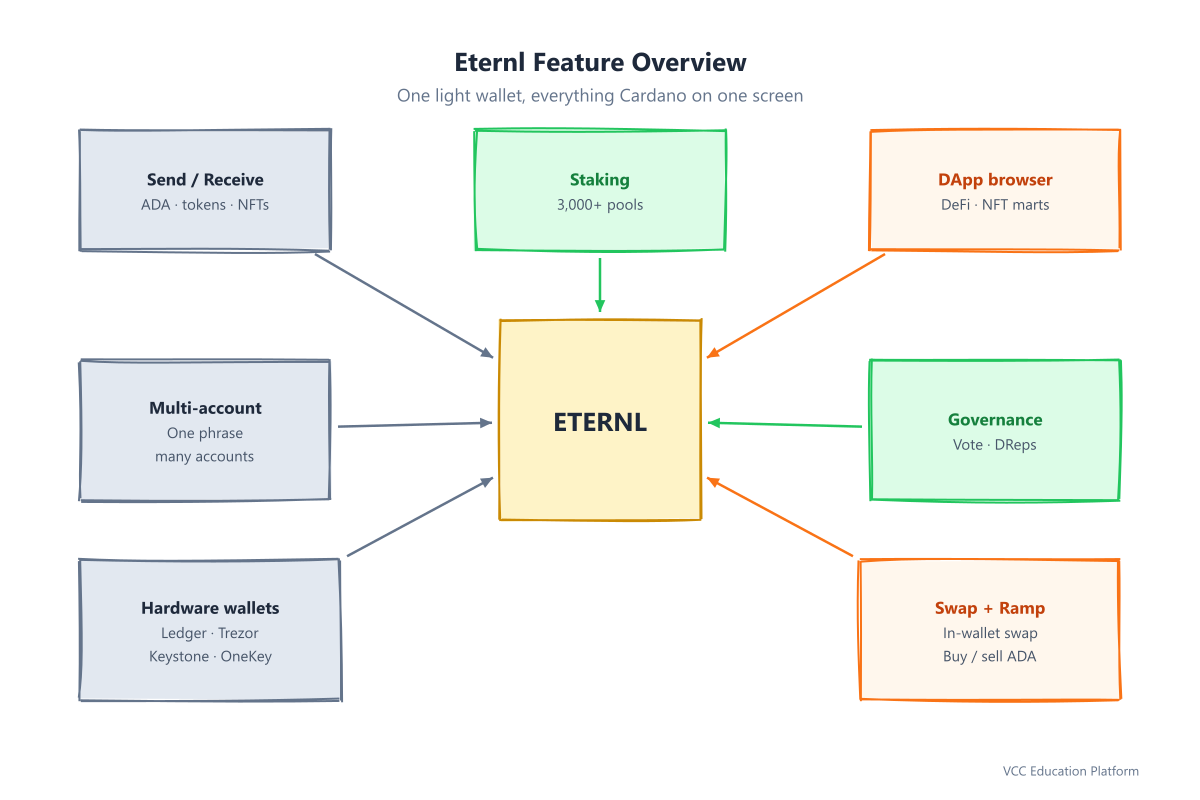
Figure 3: The Eternl feature map at a glance
Eternl is dense with features, but the fundamentals stay simple. Here is the feature set, grouped by what you will actually use.
Sending, Receiving, and Managing Assets
Eternl handles ADA, Cardano native tokens (CNTs), stablecoins, and NFTs in one view. You can:
- Send to multiple recipients in a single transaction.
- Keep a built-in address book, including named Ada Handles (@name) so you can send to a handle instead of a long address.
- See a portfolio overview with balances and transaction history for every asset.
- Use the in-wallet swap feature to trade between ADA and native tokens without leaving the app.
Staking Made Simple (3,000+ Pools)
Eternl staking is one of the most polished in the ecosystem:
- Choose from more than 3,000 Cardano stake pools, searching by name, ticker, or performance.
- Delegate ADA to a pool of your choice — and your ADA stays liquid the whole time. Staking on Cardano locks nothing; you can send or move your ADA whenever you want, even mid-epoch.
- Claim rewards manually with a "Withdraw" button, or let Eternl claim them automatically whenever you make a transaction.
- Un-stake or deregister any time from wallet settings.
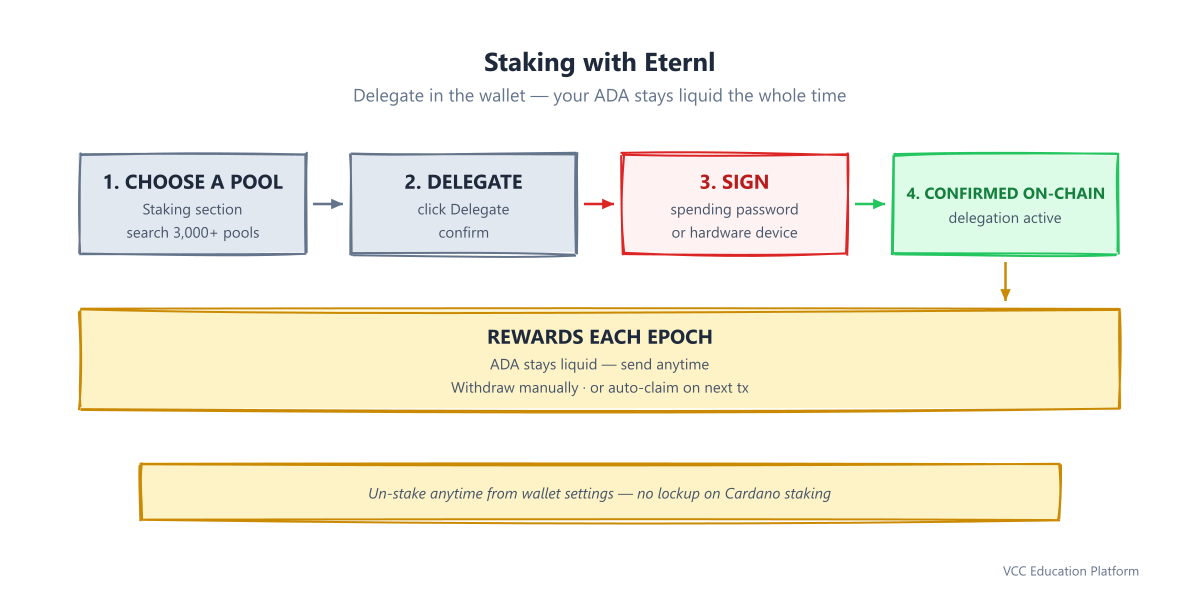
Figure 4: A plain-English view of Eternl staking
Multiple Accounts: One Wallet, Many Rooms
Eternl's signature feature is multi-account support. One seed phrase can host several independent accounts inside the same wallet — each with its own balance, address, and even its own stake pool. This is the "one wallet, many rooms" model:
- Account 1 — savings: your main ADA, staked to a conservative pool.
- Account 2 — spending: day-to-day funds for payments and small transactions.
- Account 3 — DeFi: a separate account for dApps, so a compromised dApp session cannot touch your savings.
Few other Cardano wallets let you split stakes across different pools under one phrase. It reduces seed-phrase sprawl — you manage one phrase instead of five wallets — which is both easier and safer.
DApps: The Built-in Browser and Connector
Eternl can connect to the wider Cardano DeFi world two ways:
- DApp connector: dApps (DEXs like Minswap or SundaeSwap, NFT marketplaces, lending protocols) can request to connect to your Eternl wallet, exactly like a Web3 login.
- DApp browser: Eternl has a built-in browser that lets you open these Cardano apps inside the wallet itself, using the same approval flow as normal payments.
Because Cardano works in a UTXO model, a dApp asks you to approve specific outputs — the approval popup shows exactly what you are signing: amounts, recipients, and any data attached. Read it every single time. The one-click "approve whatever" habit is how people lose money to malicious dApps.
Security habit: treat every dApp approval like a bank transfer instruction you must read aloud before signing. Legitimate apps never mind you reading; scammers rely on you not doing it.
Hardware Wallet Support
Eternl pairs with Ledger, Trezor, Keystone, and OneKey hardware devices. Hardware and software accounts can sit side-by-side in the same wallet, so you get cold-storage security for large balances and fast light-wallet convenience for small ones — in one interface. Every transaction from a hardware account is confirmed on the device itself, so a compromised computer cannot steal those keys.
Governance: Your Voice on Chain
Cardano now has on-chain governance. Eternl supports it fully: you can delegate your voting power to a DRep (a delegate representing ADA holders) and participate in votes from inside the wallet. For a light wallet, this level of governance support is rare.
Multi-Signature and Power-User Tools
For shared wallets — a DAO treasury, a family pool, a business account — Eternl supports multi-signature wallets (CIP-1854): transactions require multiple approvals, such as "2 of 3 members must sign," and can even be time-locked so funds cannot move before a certain date. It also offers native-token creation helpers and detailed transaction export for tax or portfolio tracking.
Is the Eternl Wallet Safe?
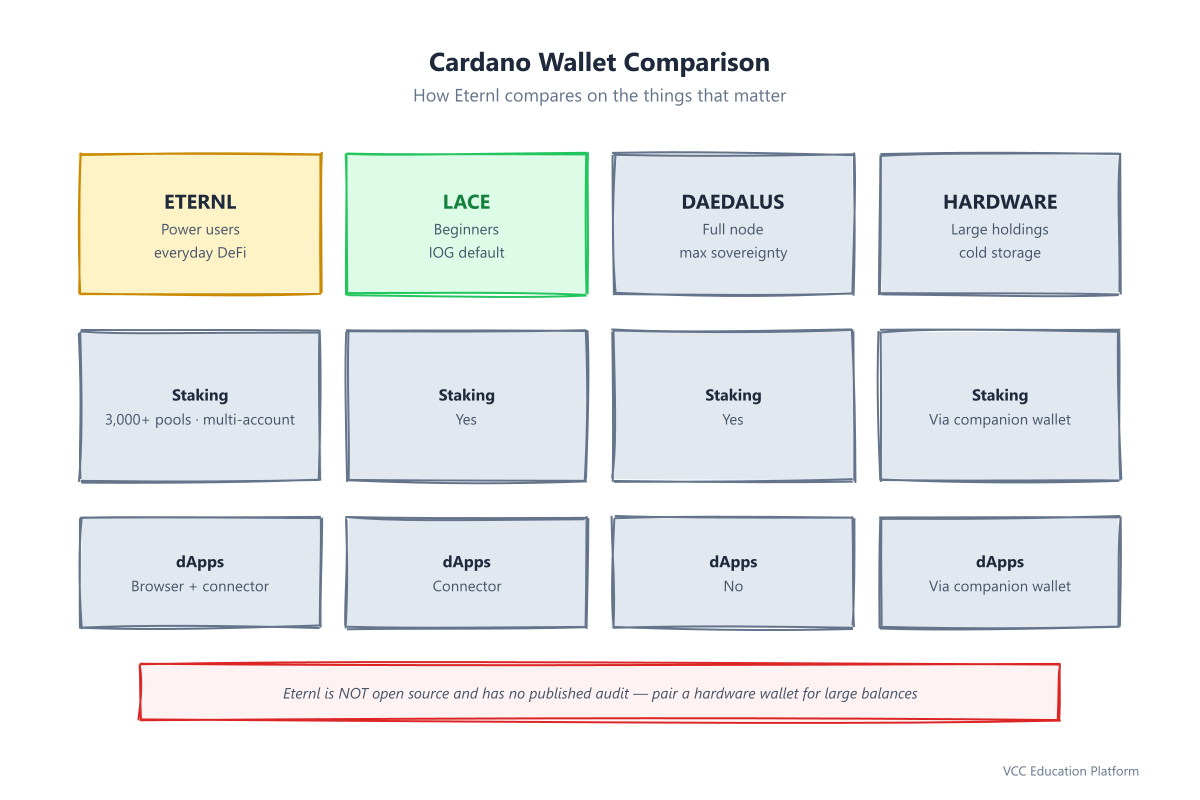
Figure 5: Four wallet approaches, compared honestly
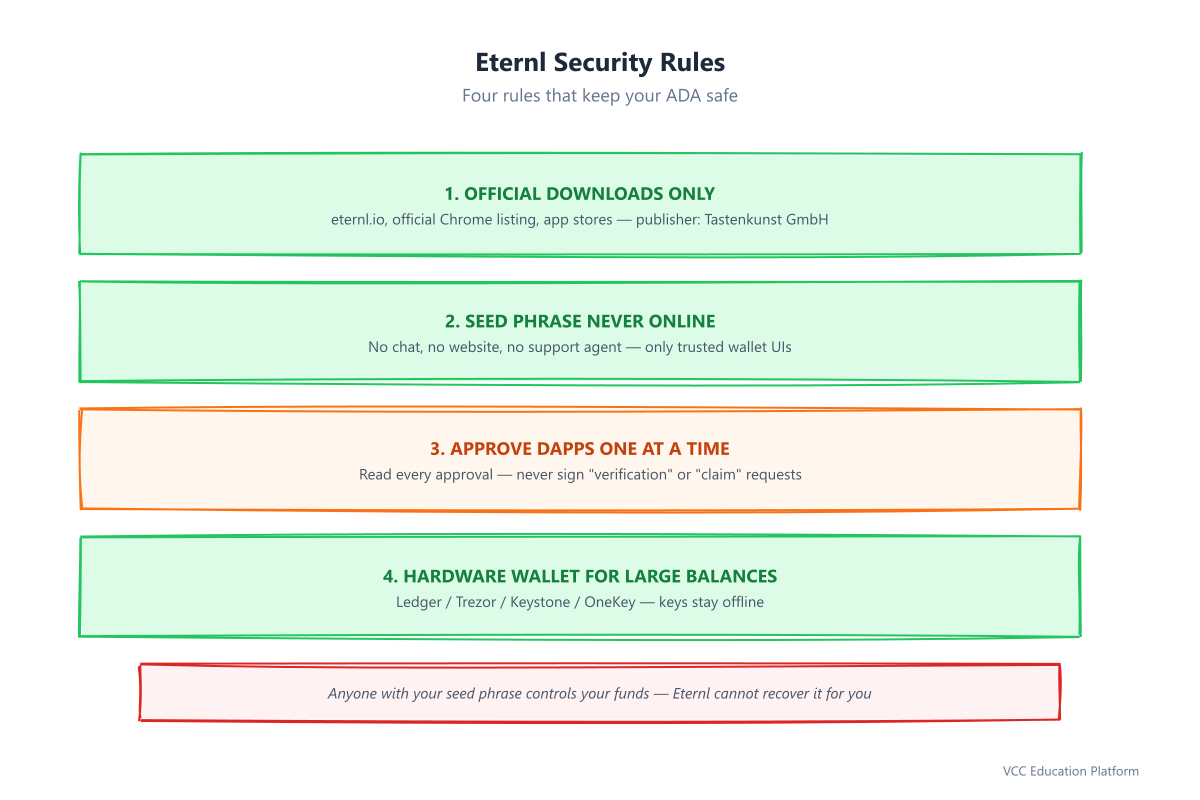
Figure 6: Four security rules to keep your Eternl funds safe
"Safe" for a wallet is really one question: who can spend your funds, and what happens if your device is compromised? Eternl's answers:
- Non-custodial keys. Your private keys are generated, encrypted, and stored on your device — Eternl's servers never see them.
- Spending password. Access to the wallet (and every transaction) requires a password that encrypts the keys locally.
- Hardware wallet option. Pair a device for the amounts that matter most; keys stay offline.
- Honest caveat: not open source, no published independent audit. Trust rests on Tastenkunst's track record since 2021.
The universal rules apply, and they matter even more for Vietnamese users who are frequent targets of fake wallet extensions and fake "airdrop" dApps:
- Download Eternl only from the official site (eternl.io), the official Chrome Web Store listing, or official app stores. Check the publisher name: Tastenkunst GmbH.
- Never enter your seed phrase anywhere except a trusted wallet UI. No legitimate tool — including Eternl's own support — ever asks for it in a chat, email, or website.
- Approve dApp transactions one at a time, read every approval, and never sign "verification" requests.
- For large balances, add a hardware wallet. Eternl itself recommends this.
How to Set Up the Eternl Wallet (Step by Step)
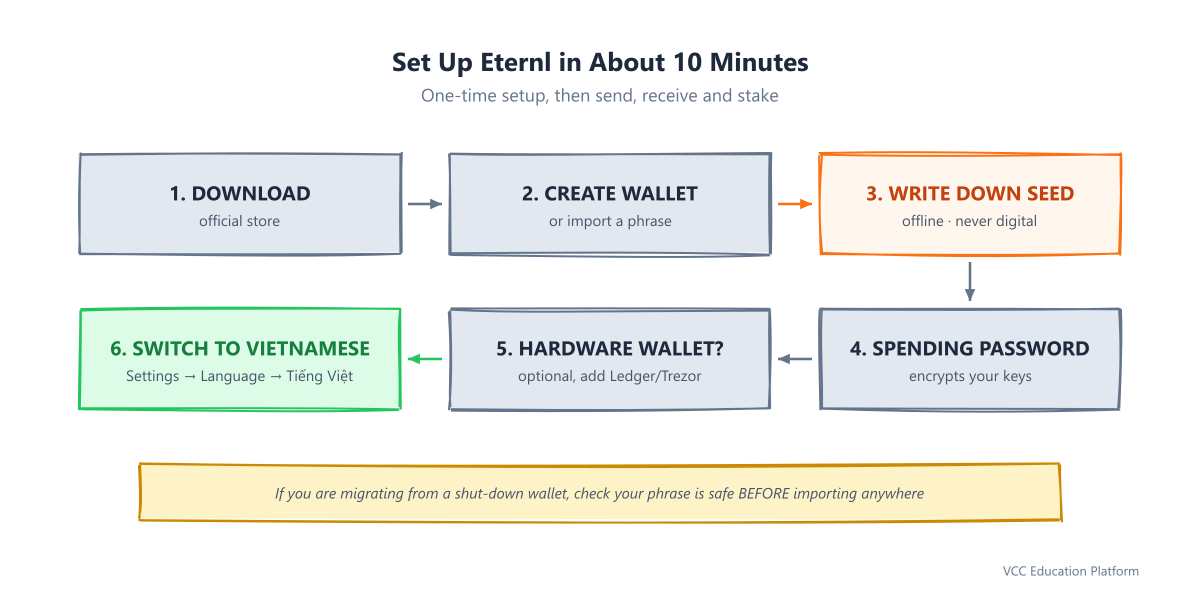
Figure 7: Get started in about ten minutes
Getting started takes about ten minutes:
- Download. Install the browser extension from the Chrome Web Store (publisher: Tastenkunst GmbH), open the web wallet at eternl.io, or install the mobile app from the official store.
- Create a new wallet. Choose "Create a new wallet" (or import an existing seed phrase if you are migrating — for example, from the old Yoroi wallet guide migration path).
- Write down the seed phrase. Eternl shows a recovery phrase (12, 15, or 24 words). Write it on paper, store it offline, and never photograph, screenshot, or type it into any website.
- Set a spending password. This encrypts your keys locally and is required to sign transactions.
- Optional: connect a hardware wallet. Add a Ledger, Trezor, Keystone, or OneKey account for the balances you want in cold storage.
- Switch to Vietnamese (or your language). Settings → Language → Tiếng Việt. Eternl V2 supports 30+ languages.
That is it. You can now receive ADA, send payments, and delegate to a stake pool from the Staking section.
If you are coming from a wallet that shut down and you are unsure your seed phrase is safe, review our Yoroi shutdown guide before importing anything anywhere.
Eternl vs. Other Cardano Wallets
| Question | Eternl | Lace | Daedalus | Hardware wallet |
|---|---|---|---|---|
| Best for | Power users & everyday DeFi | Beginners (IOG default) | Maximum sovereignty | Large holdings |
| Open source | No (no published audit) | Yes | Yes | Varies by vendor |
| Download | Small (light wallet) | Small (light wallet) | Full blockchain (GBs) | Tiny firmware |
| Sync speed | Seconds | Seconds | Hours on first sync | Seconds |
| Staking | 3,000+ pools, multi-account splits | Yes | Yes | Via companion wallet |
| dApps | Built-in browser + connector | Connector | No | Via companion wallet |
| Governance | Full (DReps + voting) | Yes | Yes | Via companion wallet |
| Vietnamese UI | Yes (V2) | Yes | Yes | OS-level |
FAQ
What is an Eternl wallet? Eternl is a non-custodial Cardano light wallet from Tastenkunst GmbH — available as a browser extension, web wallet, and mobile app. It stores ADA, native tokens, and NFTs; stakes to 3,000+ pools; connects to dApps; and supports Cardano governance voting.
Is Eternl a good wallet? Yes, it is one of the most feature-rich Cardano wallets and widely trusted for its longevity. Keep in mind it is not fully open source and has no published independent audit — so pairing it with a hardware wallet for large balances is the recommended practice.
Is Eternl free? Yes. The wallet, staking, and dApp features are free. Network transaction fees (tiny ADA amounts) always apply on Cardano. Eternl does offer a premium subscription (Eternl Pro) with extras like advanced features and discounts, but the core wallet is free.
Is the Eternl wallet safe? It is non-custodial — your keys never leave your device — and it supports spending-password encryption and hardware wallets. As with any wallet, your real risk is phishing and losing your seed phrase. Download only from official sources, and never share your phrase.
Does Eternl support staking? Yes. You can delegate ADA to any of over 3,000 Cardano stake pools directly from the wallet, split stakes across multiple accounts, claim rewards manually or automatically, and unstake anytime. Your ADA stays liquid while staked.
Does Eternl support Vietnamese? Yes. The Eternl V2 release added more than 30 interface languages, including fully translated Vietnamese (Tiếng Việt), selectable in Settings.
Can I use Eternl with a hardware wallet? Yes. Eternl supports Ledger, Trezor, Keystone, and OneKey. Hardware accounts and software accounts can coexist in the same wallet.
What coins does Eternl support? Eternl is Cardano-only: ADA plus Cardano-native assets — tokens, stablecoins, and NFTs. It is not a general multi-chain wallet.
Quick Reference
| Question | Answer |
|---|---|
| What is it? | Non-custodial Cardano light wallet (browser/web/mobile) by Tastenkunst GmbH |
| Origin | Launched 2021 as CCVault, rebranded to Eternl; V2 (2025) added Vietnamese + 30+ languages |
| Staking | 3,000+ pools; per-account delegation; liquid ADA; auto or manual reward claim |
| dApps | Built-in browser + connector, approval shows exact outputs |
| Hardware wallets | Ledger, Trezor, Keystone, OneKey |
| Governance | DRep delegation + on-chain voting |
| Extra features | Multi-account, multi-sig (CIP-1854), in-wallet swaps, on/off ramps, Ada Handle address book |
| Open source | No published audit — pair hardware wallet for large balances |
| Download from | eternl.io, official Chrome Web Store listing, official app stores (publisher: Tastenkunst GmbH) |
Updated: 2026-08-10 | Written by VCC Content Team — Cardano educators since 2021 | Technical review: [Cardano SPO/Developer] | Sources: eternl.io, official Eternl Wiki, cardano.org, Chrome Web Store, Adastack, Project Catalyst F10, TapTools. Feature set verified 2026-08-10; check the official wiki for changes.