
Every day, people pay for transactions on the Cardano network. Every day, a slice of that money quietly goes into a pot that no company controls, no bank manages, and no government touches. That pot is the Cardano treasury system — and it may be the most underrated feature in all of blockchain. In plain language: it is a self-funding budget that the community itself decides how to spend, recorded permanently on the ledger.
Here's the one-sentence version: The Cardano treasury system is an on-chain pool of ADA, filled by transaction fees and new issuance, that gets spent only through community votes — so the network pays for its own future without relying on a central organization.
If you've ever wondered what the cardano treasury is and how the cardano treasury works, this guide walks through where the money comes from, how it's guarded, how it's spent, and how you can have a say.
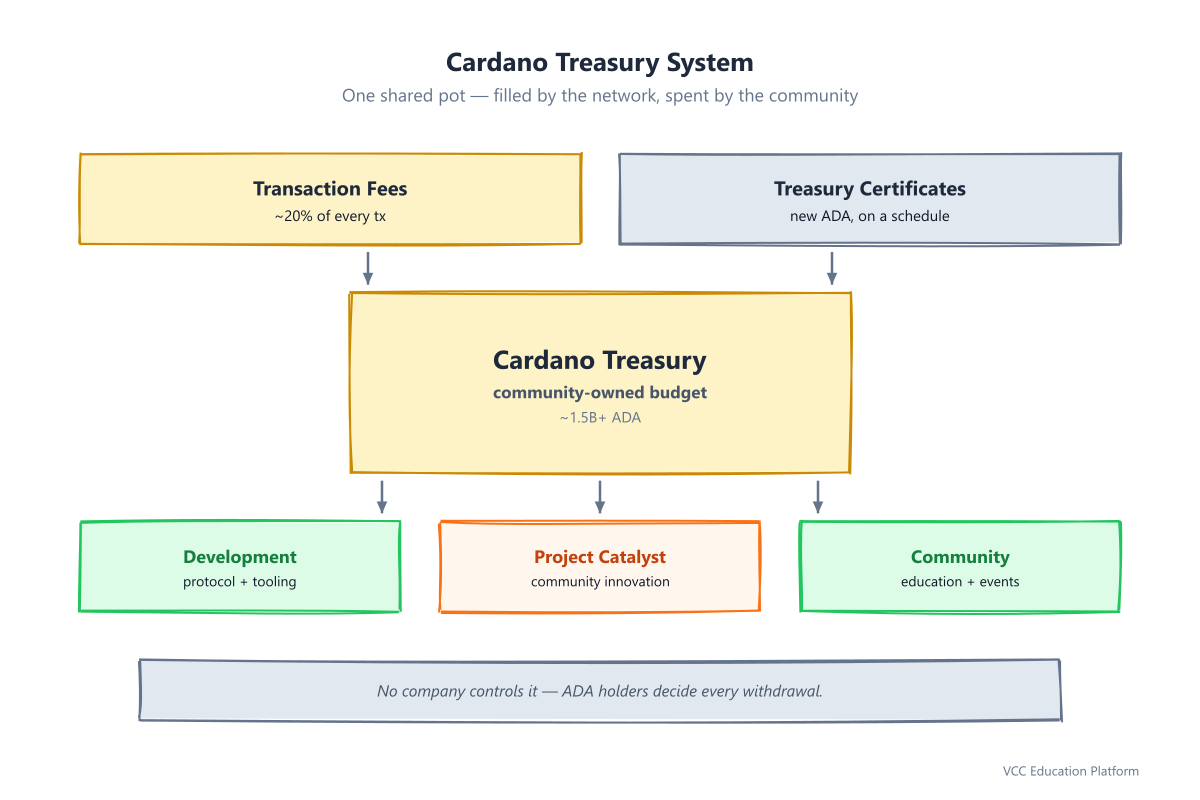
Figure 1: The Cardano treasury — where money comes in and where it goes
Why Cardano Needs a Treasury at All
Most networks have a big problem: who pays for the work? Upgrades, education, developer tools, community events — someone has to fund them. On Bitcoin and Ethereum, that someone is usually a foundation, a company, or wealthy donors. That creates a subtle dependency: the network's future can end up influenced by whoever writes the biggest cheque.
Cardano chose a different path. Instead of relying on donations, the network taxes its own usage. Every transaction pays a small fee; part of that fee flows to a shared pool. Then the community — not a company — decides what to do with it. It is the closest thing to a self-funding democracy in the crypto space.
Think of it as a "quỹ dự trữ quốc gia" (national reserve fund), but for a digital nation: a savings pot held in common, filled by everyone's activity, spent only with the community's consent. The difference is that no central bank sits on top. The pot is code; the guard is the vote.
How the Cardano Treasury Gets Its Money
The treasury has two inflows, and understanding both is the key to "how does the cardano treasury work."
1. Transaction Fees (the ongoing trickle)
When you send ADA or interact with a smart contract, you pay a transaction fee. A portion of that fee — roughly 20% — is redirected to the treasury. The more the network is used, the faster the pot grows. It is a "tax" that pays for shared goods, except you can audit every single collection because it happens on a public ledger.
2. Treasury Certificates (the monetary-policy top-up)
Under Cardano's monetary policy, new ADA can be minted through what are called treasury certificates. Think of it as a pre-set schedule that occasionally tops the pot up — much like a government bond issuance, but decided by rules, not politicians. This keeps the treasury growing even during quiet periods when fees alone wouldn't cover ambitious plans.
Together, these inflows have built a treasury holding on the order of 1.5+ billion ADA and rising.
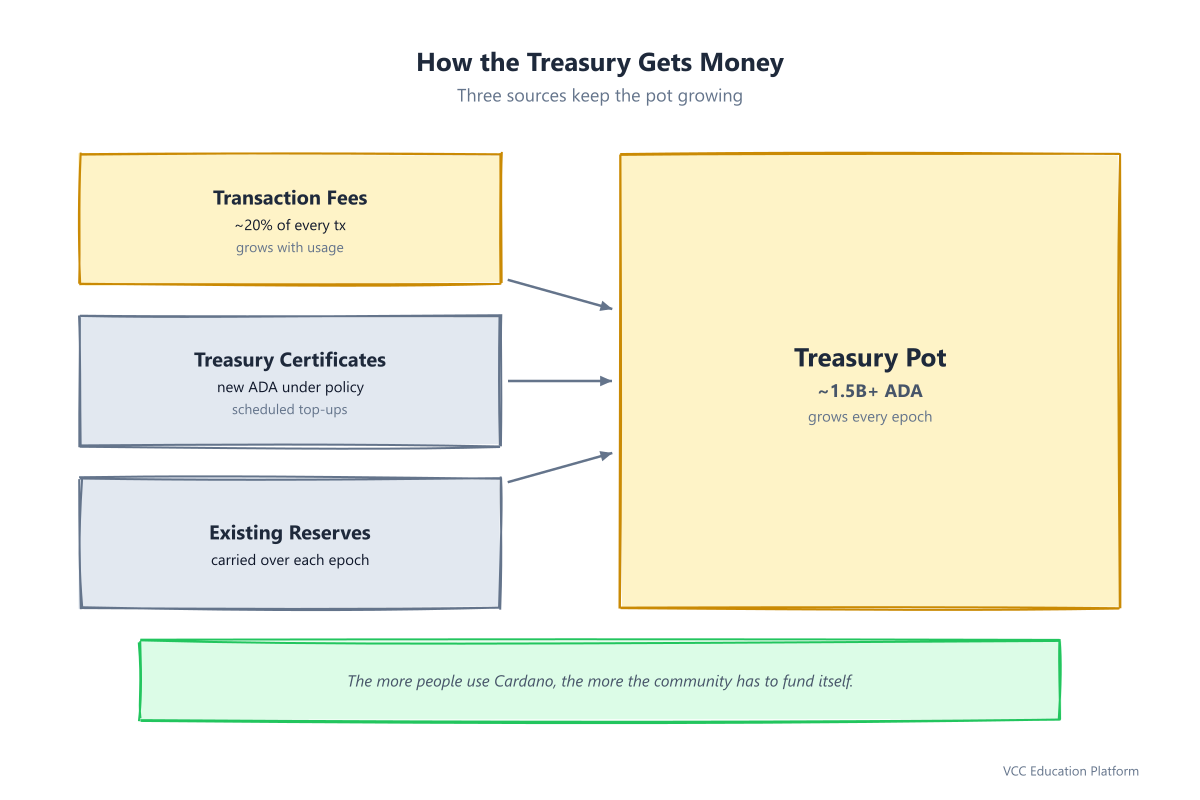
Figure 2: How the treasury gets its money
Guarding the Pot: Voltaire and On-Chain Governance
Money that anyone can grab is not a treasury — it's a honey pot. Cardano guards its treasury with cardano governance, introduced in the Voltaire era and formalized by CIP-1694.
Here's how the guard works. The treasury cannot be spent by a single signature, a CEO, or a foundation. Every withdrawal must be proposed as an on-chain governance action, and then:
- Delegated Representatives (DReps) review and vote on the proposal.
- ADA holders can vote directly — 1 ADA = 1 vote — or delegate their voting power to a DRep they trust.
- For constitutional-critical actions, a Constitutional Committee checks that the proposal does not violate Cardano's founding rules.
Only after the vote passes does the money move. Every step is public and permanent. This is what makes the treasury different from a state budget: you can audit every withdrawal, forever, by anyone.
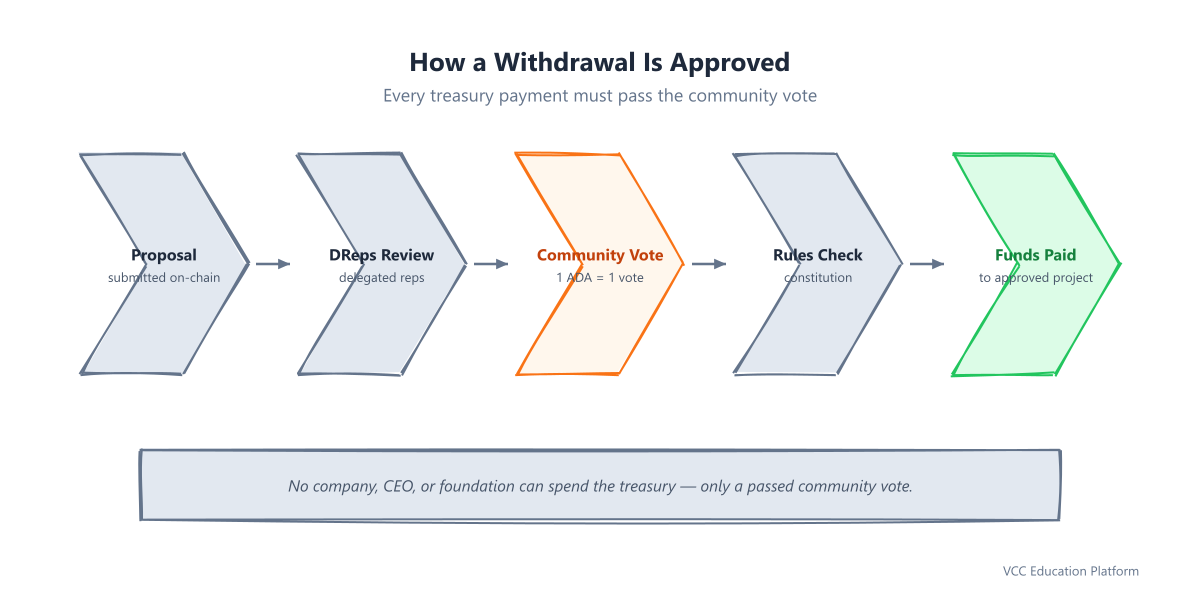
Figure 3: How treasury money is guarded and released
Project Catalyst: The Treasury in Action
The best real-world example of the treasury is Project Catalyst — Cardano's community innovation fund. Since 2021 it has handed out billions of dollars' worth of ADA to community projects: wallets, education programs, DeFi experiments, open-source tools, and more.
Catalyst works like a crowd-funded "Shark Tank" where the audience votes:
- Anyone submits a proposal — no permission needed, just a good idea.
- The community votes using registered stake — every ADA holder gets a voice.
- Winning proposals are funded directly from the treasury.
- Results are reported back publicly, and past performance matters in future rounds.
Before Voltaire, Catalyst was a pilot run by the community as a trial of treasury spending. After Voltaire, it became part of the formal constitutional structure. That journey — from experiment to law — is the story of Cardano growing up.
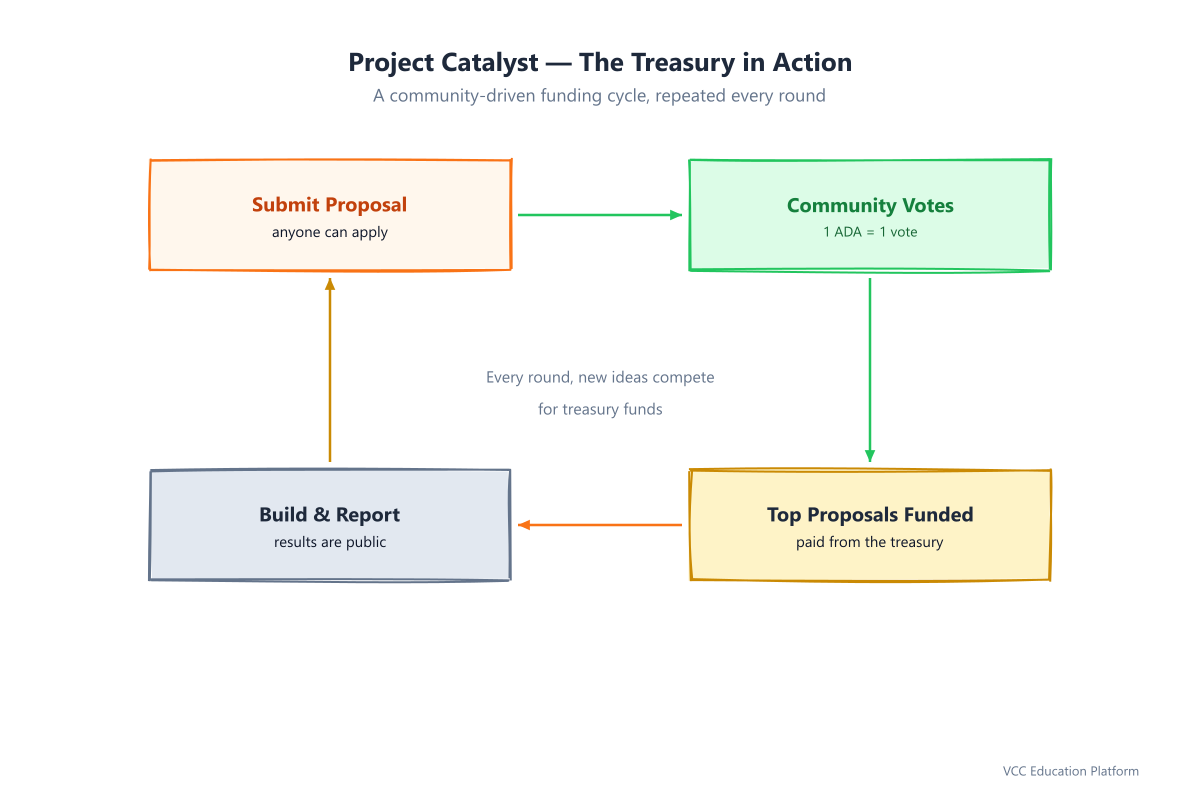
Figure 4: Project Catalyst — the treasury in action
How You Can Participate: DReps and Direct Voting
The treasury is not something that happens to you — it's something you can steer. Participation is designed to be as easy as staking:
- Delegate to a DRep: you don't need to study every proposal. Pick a DRep whose judgment you trust and delegate your stake to them. Their votes then carry your weight.
- Vote directly: if a proposal matters to you, cast your own vote. Your voting power equals your stake — more ADA, more say.
- Change your mind anytime: delegation isn't permanent. If a DRep disappoints you, switch instantly. There's no election cycle and no recall petition — it's a proxy you can fire in seconds.
This is a genuinely novel form of political agency. In a national election, you vote once every few years. Here, your influence is continuous and reversible, proportional to what you hold. For a Vietnamese reader: a DRep is like a "đại biểu" (representative) you can replace at any moment — not at the next election, but right now, on the ledger.
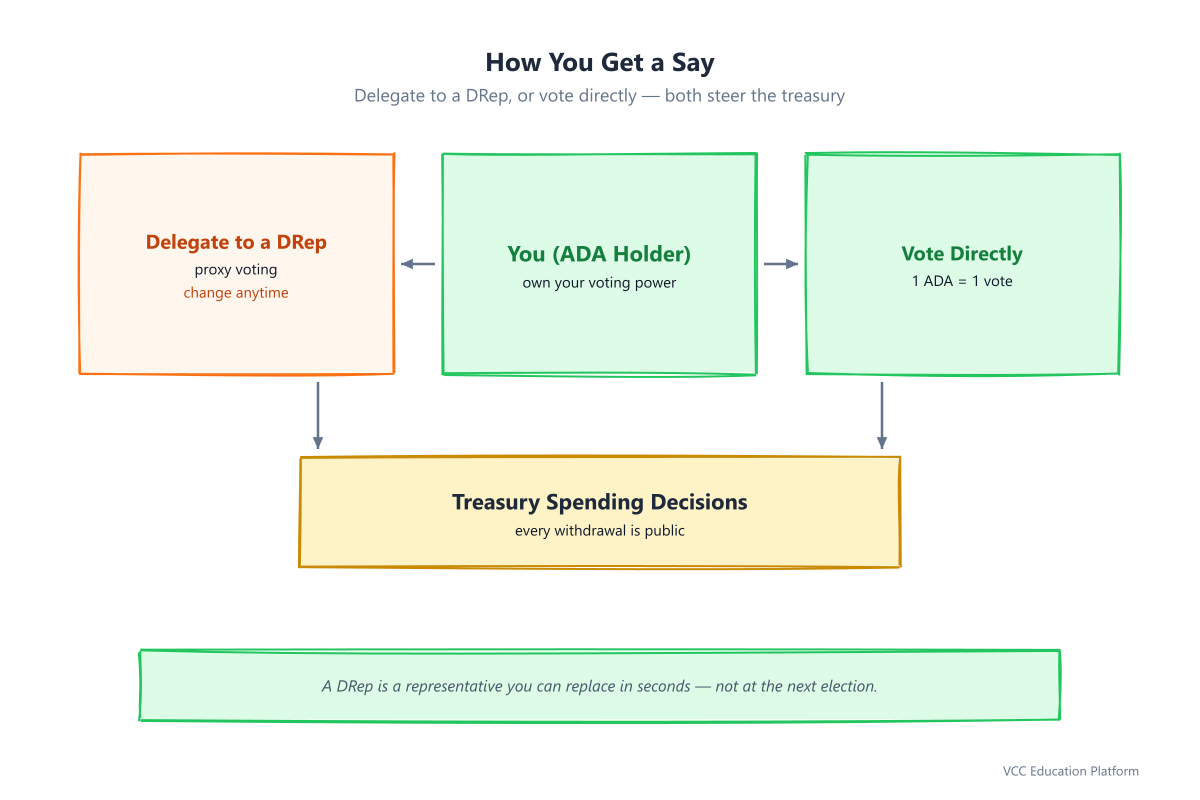
Figure 5: Two ways you can steer the treasury
Why This Matters for Vietnamese Readers
Cardano's treasury is a working example of ideas Vietnamese society debates constantly: transparency of public funds and accountability of representatives.
- Công quỹ (public money) done right: every ADA spent from the treasury is visible forever. No "budget item disappeared" stories are possible — the ledger is the receipt.
- Representatives you can recall instantly: unlike waiting for an election, DReps are answerable continuously. Delegation is a living vote.
- A national-reserve mindset: like a prudent quỹ dự trữ quốc gia, the treasury builds a buffer in good times to fund projects in all times. The difference is that the citizens — not a central authority — decide the priorities.
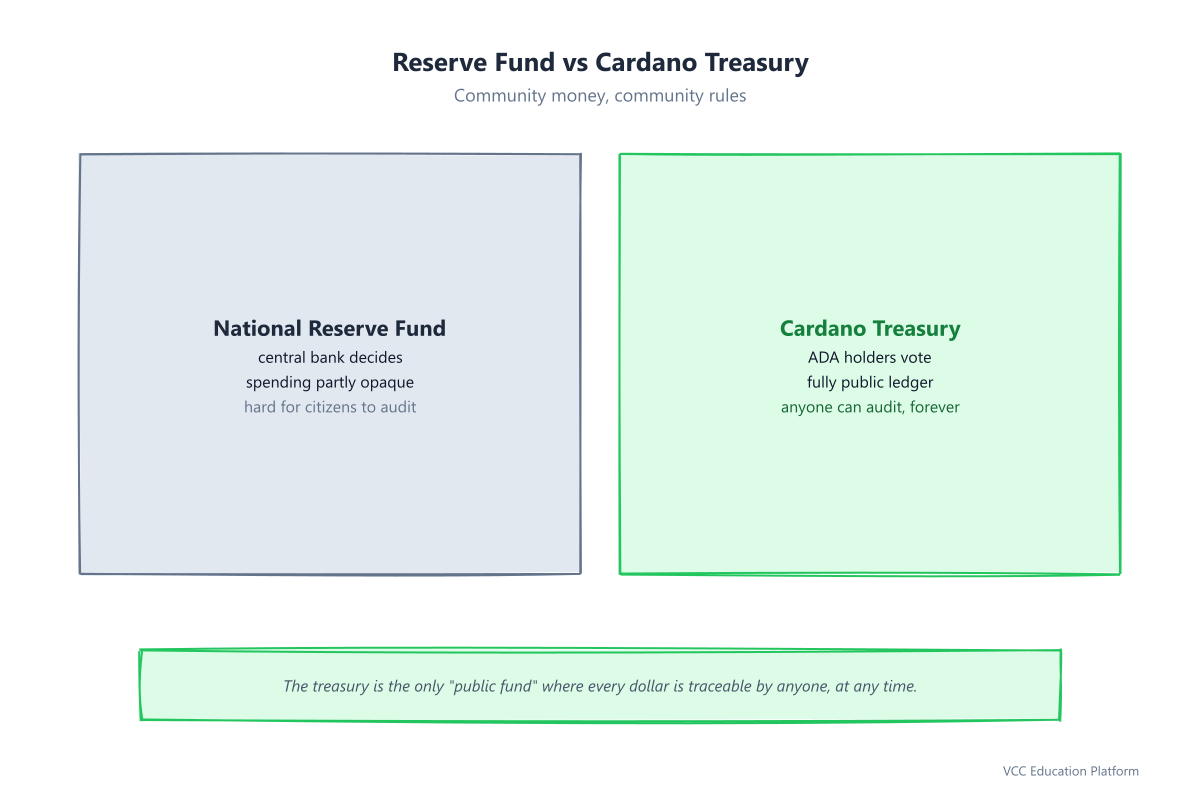
Figure 6: National reserve fund vs Cardano treasury
The treasury turns "the community owns the network" from a slogan into an operational reality you can watch on-chain in real time.
Common Questions About the Cardano Treasury
What is the Cardano treasury?
It is a pool of ADA on the Cardano blockchain, filled by transaction fees and treasury certificates, that can only be spent through on-chain governance votes.Who controls the Cardano treasury?
No single entity. ADA holders control it through DReps and direct voting under the Voltaire / CIP-1694 governance framework.How does the cardano treasury get funded?
Two ways: roughly 20% of transaction fees are redirected into the treasury, and treasury certificates periodically mint new ADA under the network's monetary policy.Can the treasury be stolen or misused?
Withdrawals require a passed governance action verified on-chain. The records are permanent and public, so misuse is both hard to execute and impossible to hide.How can I vote on treasury spending?
Delegate your ADA to a DRep, or vote directly on proposals. Your voting power is proportional to your stake (1 ADA = 1 vote).How much money is in the treasury?
The balance is on the order of 1.5+ billion ADA and grows over time. It changes with fees, certificates, and funded proposals — check a Cardano explorer for the live number.Quick Reference
| Property | Value |
|---|---|
| What it is | On-chain pool of ADA for community-approved spending |
| Inflow 1 | ~20% of transaction fees |
| Inflow 2 | Treasury certificates (monetary-policy top-up) |
| Balance | ~1.5B+ ADA (growing) |
| Guardian | Voltaire on-chain governance (CIP-1694) |
| Voters | ADA holders (1 ADA = 1 vote) or delegated DReps |
| Committee | Constitutional Committee (constitutional checks) |
| Flagship programme | Project Catalyst |
| Key property | Every withdrawal is public and permanent |