
Introduction
Imagine walking into a bank to open a savings account. The teller tells you: "To earn interest, you need to deposit your money, and you won't be able to access it for six months." This is how traditional banking works—you lock your money away to earn rewards.
Now imagine a different scenario: You can earn rewards on your money while still having complete access to it at any time. No locking, no waiting periods, full control.
This second scenario is exactly how Cardano staking works.
One of the most common questions from new Cardano users is: "Why doesn't staking ADA lock my assets?" or "Do I need to re-register my stake when I receive new ADA?"
The answer is simple: No, you don't. Not at all.
Cardano's staking mechanism is designed to never lock your assets. You have full control over your ADA at all times—you can send, receive, and use it whenever you want, all while earning staking rewards.
This is fundamentally different from traditional banking and most DeFi staking platforms, where you must deposit your assets into a smart contract or lock them for a specific period.
In this article, we'll explore the unique mechanism that makes this possible and understand why Cardano's approach is both secure and user-friendly.
Understanding Cardano Addresses
Blockchain technology is built on decentralization, and addresses serve as the communication bridge between the blockchain and users. The way a blockchain designs its address structure is crucial—it determines the blockchain's capabilities and future potential.
When Cardano entered the Shelley era with the introduction of stake pools, its address structure evolved from Byron addresses to Shelley addresses. Shelley addresses are what users currently use to stake ADA on the Cardano network.
Shelley addresses have two main types: payment addresses and stake addresses.
A payment address consists of two combined components:
- Payment credential: Contains information about receiving and sending funds
- Stake address reference: Contains information about staking delegation
In Shelley's design, payment addresses are used to receive and send assets. Stake addresses are used only to record staking-related information about the assets delegated to the Cardano network by the owner.
Both the payment and stake components are cryptographically derived from the same private key, meaning they both contain information about the original owner.
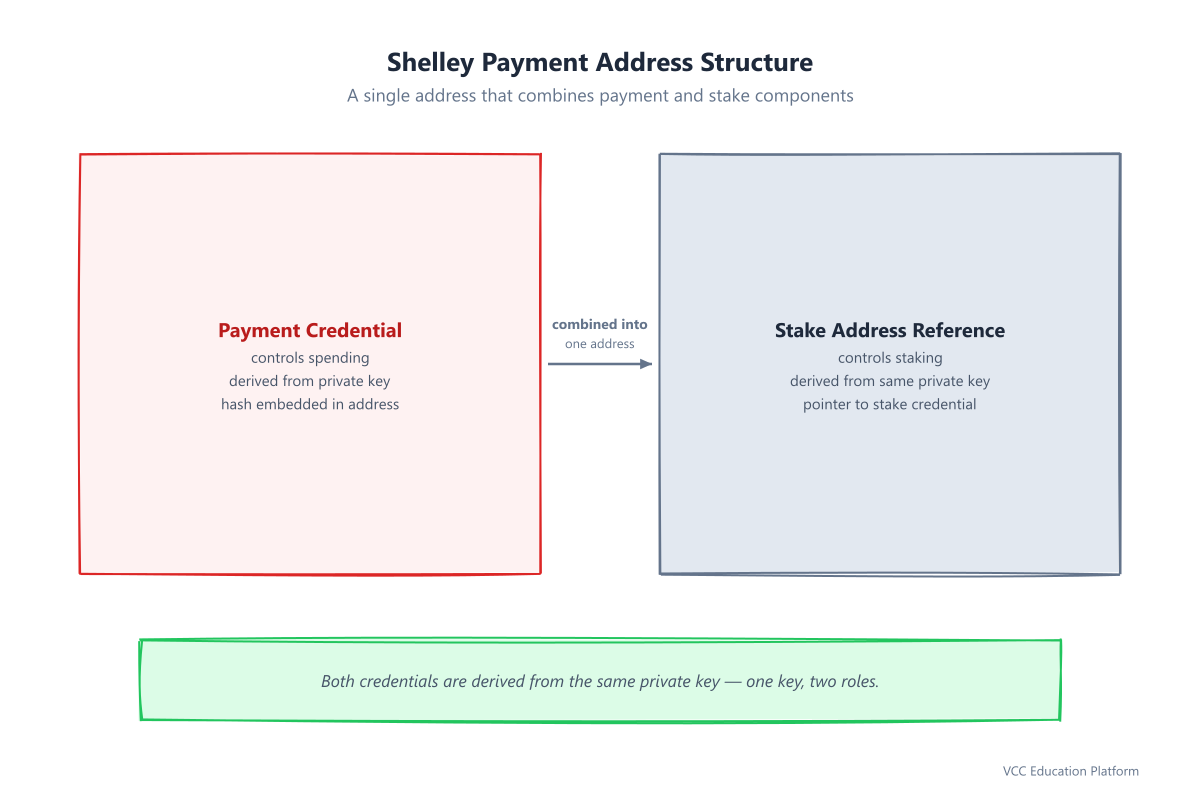
Figure 1: Shelley payment address combines payment and stake components
The Secret: Why Staking Doesn't Lock Assets
Now that we understand the basics of Shelley addresses—payment addresses, stake addresses, payment credentials, stake credentials, and stake address references—let's explore how these components work together to enable non-locked staking.
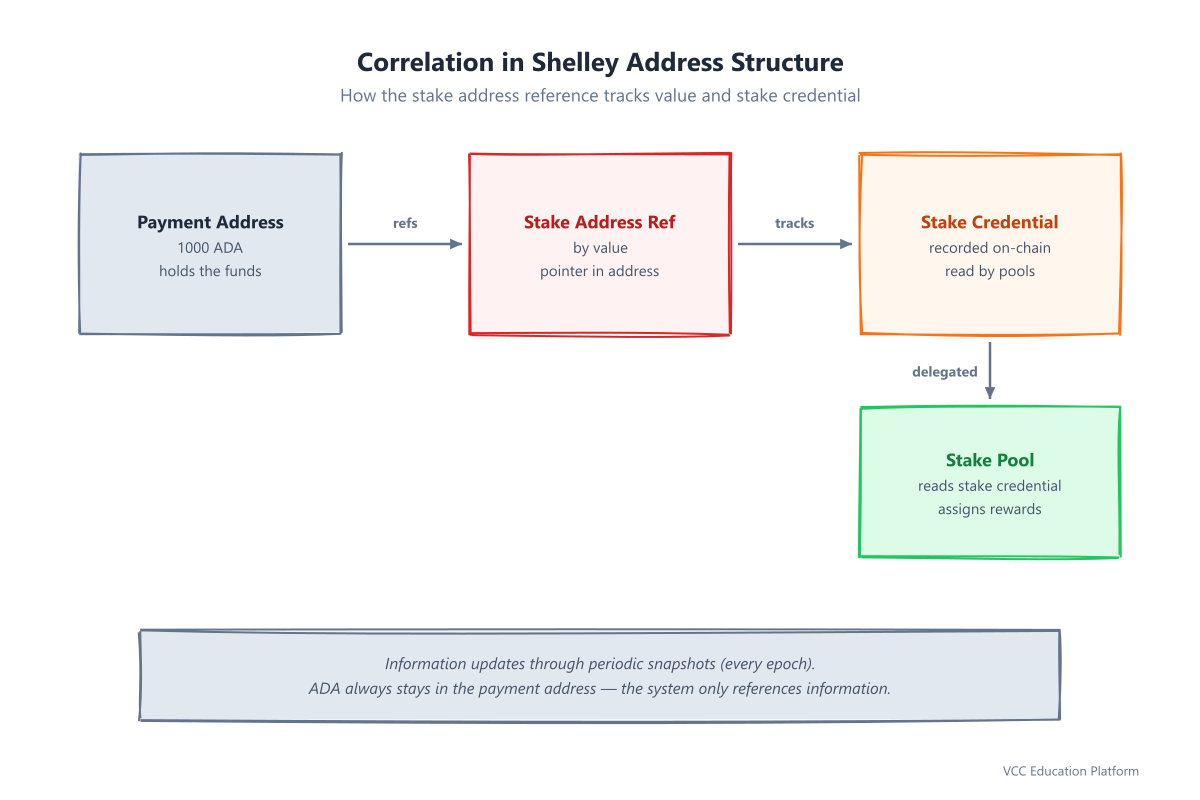
Figure 2: The correlation mechanism in Shelley address structure
Looking at the diagram above, we can see the elegant correlation in the Shelley address structure.
The stake address reference contains information about the amount of assets in the payment address and stores this information in a "By value" field. This value serves as a reference recorded in the stake credential.
When a wallet delegates to a stake pool, the pool records asset information from the stake address. The entire Cardano staking system only references information from each address's stake address.
This information is updated through periodic snapshots.
Here's the key insight: ADA is always stored in the payment address, and the system only references information from that address. Therefore, users have full control over their ADA at all times, everywhere.
This works because both payment addresses and stake addresses are cryptographically derived from the same public and private keys.
The diagram below explains the technical design of Cardano's staking mechanism in more detail.
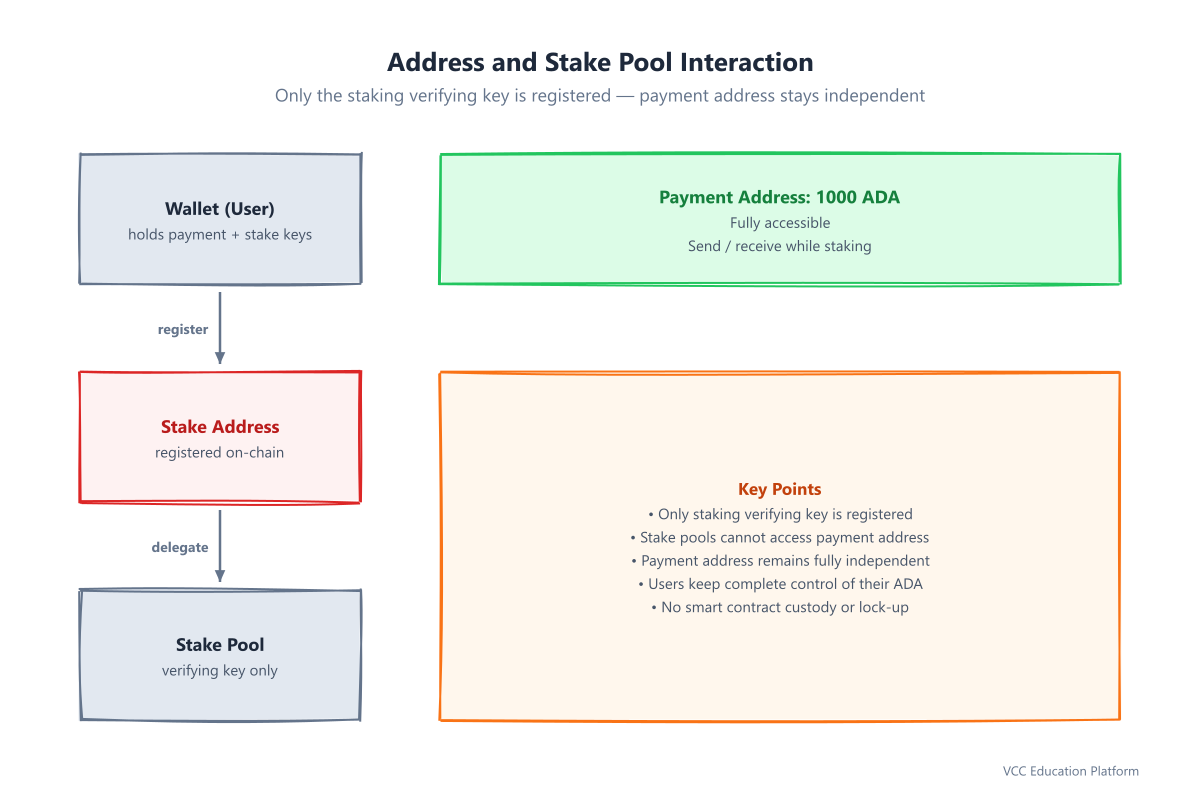
Figure 3: How addresses interact with stake pools
To stake ADA, every user must register delegation to a specific pool. When a wallet registers delegation to a pool, only the staking verifying key is registered with the pool.
Simply put, we can think of the staking key as the stake address. As we know, stake addresses cannot receive or send funds—they only contain information about the asset owner and have no authority to change the assets.
Ultimately, stake pools and the Cardano system have no direct ability to affect the ADA in users' wallets.
Comparison with Traditional Systems
To appreciate Cardano's innovation, let's compare it with traditional staking methods:
Traditional Banking:
- You must deposit money into a savings account
- Funds are locked for a fixed term
- Limited access during the term
- Interest earned only on deposited amount
DeFi Staking (Other Blockchains):
- Often requires locking tokens in smart contracts
- Tokens become inaccessible during lock period
- Unstaking requires waiting periods
- Smart contract risks and vulnerabilities
Cardano Staking:
- No locking required
- Full access to funds at all times
- Can send/receive while staking
- No smart contract custody
- Instant unstaking (no waiting period)
Security Benefits
Cardano's non-locked staking design offers significant security advantages:
- No smart contract risk: Your funds are never in a smart contract
- No counterparty risk: Stake pools cannot access your funds
- Full asset sovereignty: You maintain complete control
- Immediate liquidity: Access your funds instantly
- No slashing risk: Users don't face penalties for normal operations
Conclusion
We can now appreciate the consistency and scientific design of Shelley addresses, the staking system, and most importantly, why Cardano staking doesn't lock assets.
In reality, Cardano addresses are much more complex than what we've covered here. This design reflects a visionary approach for building a massive future ecosystem.
We hope all Cardano users can understand the value and security of staking ADA in the Cardano blockchain network—earning rewards while maintaining complete control of your assets.
Key Takeaways
- Cardano staking uses a unique address structure that separates payment and staking functions
- Your ADA stays in your payment address, fully accessible at all times
- Stake pools only track your staking information, not your actual funds
- You can send, receive, and use your ADA while staking
- This design provides security, liquidity, and user freedom that traditional systems cannot match