
The Cardano roadmap represents one of the most ambitious and methodically planned blockchain development journeys in the cryptocurrency world. Unlike many projects that build features opportunistically, Cardano's development follows a carefully structured five-era framework designed to deliver a research-driven, sustainable blockchain platform. This complete guide to the Cardano roadmap history traces the network's evolution from its 2017 launch through the completion of its governance features in 2025, explaining each development phase, the technical milestones that marked them, and what they mean for users and developers building on Cardano.
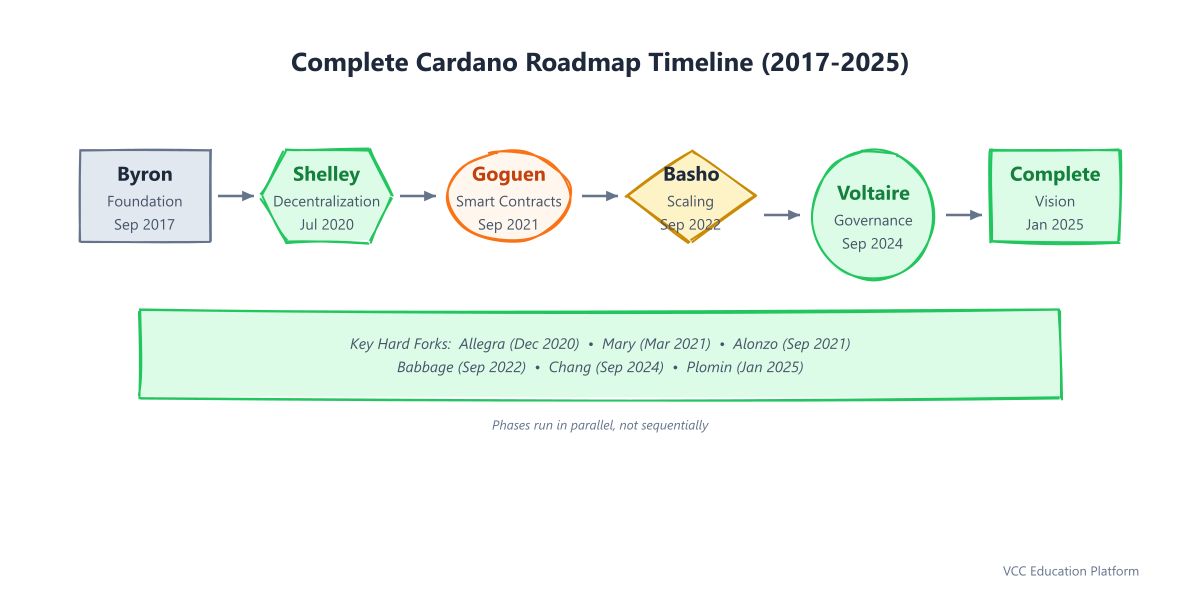
Figure 1: The complete Cardano roadmap from Byron to Voltaire
Understanding Cardano's Roadmap Structure
Before diving into the specific eras, it's essential to understand a fundamental distinction that often confuses newcomers: Cardano has two overlapping classification systems for its development—development phases and ledger eras. This dual structure reflects Cardano's unique approach to blockchain development, where strategic vision and technical implementation operate on parallel tracks.
Development Phases vs. Ledger Eras: What's the Difference?
The five development phases—Byron, Shelley, Goguen, Basho, and Voltaire—represent high-level feature collections and research themes that guide Cardano's long-term strategy. Named after poets (except Goguen, named after computer scientist Joseph Goguen), these phases describe what Cardano aims to achieve during each stage of its evolution. Importantly, work on multiple phases happens in parallel rather than sequentially. Research on smart contracts (Goguen) began before decentralization (Shelley) was complete, and governance experiments (Voltaire) ran years before the governance ledger era launched.
Ledger eras, by contrast, are technical implementation states that define the actual rules running on the blockchain. These eras—Byron, Shelley, Allegra, Mary, Alonzo, Babbage, and Conway—introduce specific protocol changes via hard fork events. When you hear about "the Alonzo hard fork" or "the Conway era," these refer to ledger eras that implement concrete technical features. This explains why the Goguen development phase was actually delivered across multiple ledger eras: Allegra added token locking, Mary introduced native tokens, Alonzo brought smart contracts, and Babbage enhanced them.
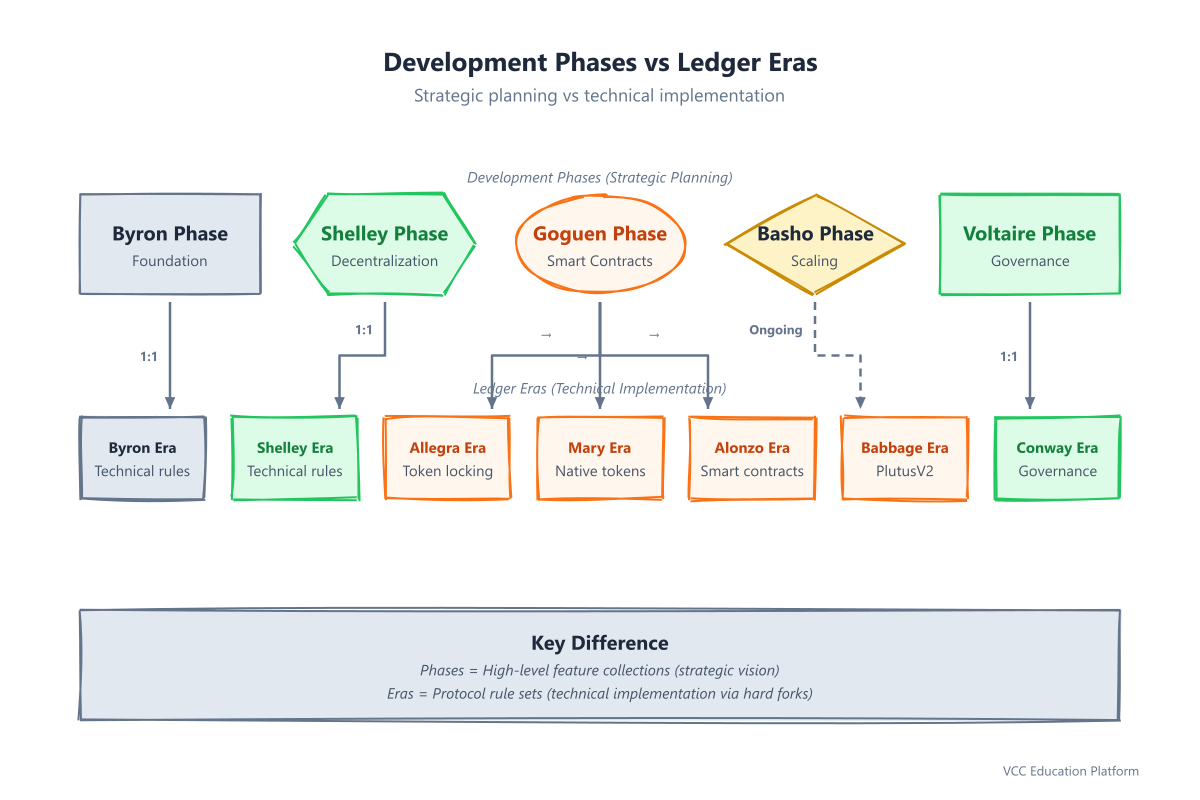
Figure 2: Development phases versus ledger eras
The Hard Fork Combinator: How Cardano Upgrades Without Chain Splits
One of Cardano's most significant technical innovations is the Hard Fork Combinator, a mechanism that enables era transitions without the disruptive chain splits that plague other blockchains. In traditional blockchain upgrades, all nodes must update simultaneously or risk creating competing chains (think Bitcoin vs. Bitcoin Cash). Cardano's combinator instead combines multiple protocol rule sets into a single ledger, allowing nodes to update gradually without requiring the entire network to restart.
When Cardano transitioned from Byron to Shelley in July 2020, the chain never stopped growing. Blocks produced before the hard fork remained valid under the new rules, and nodes running different software versions could coexist temporarily. This design choice has enabled Cardano to maintain zero outages across all major era transitions—a track record that underscores the network's reliability and the rigorous engineering behind its development.
Complete Cardano Roadmap Timeline
Cardano's journey from launch to a fully decentralized, community-governed blockchain spans eight years and represents the completion of one of the most comprehensive blockchain roadmaps ever conceived. Each era built upon the previous one, creating layers of functionality that together form a robust platform for decentralized applications and financial infrastructure.
Byron Era (2017-2020): Foundation and Launch
The Byron era marked Cardano's birth as the first proof-of-stake blockchain built on peer-reviewed academic research. Launching in September 2017, Byron established the foundational infrastructure that would support all future development. The network operated as a federated system initially, with IOHK (now Input Output Global) and founding entities controlling block production and transaction validation. This centralized start was intentional—a security measure to ensure stability while the core technology matured.
Key achievements during Byron included the implementation of Ouroboros Classic, the first proof-of-stake protocol with mathematical security proofs, and the release of Daedalus (a full-node wallet) and Yoroi (a light wallet). These tools gave early users the ability to buy, sell, and store ADA, Cardano's native cryptocurrency named after Ada Lovelace, the pioneering 19th-century computer programmer. Byron also delivered a block explorer, enabling users to browse the blockchain and verify transactions.
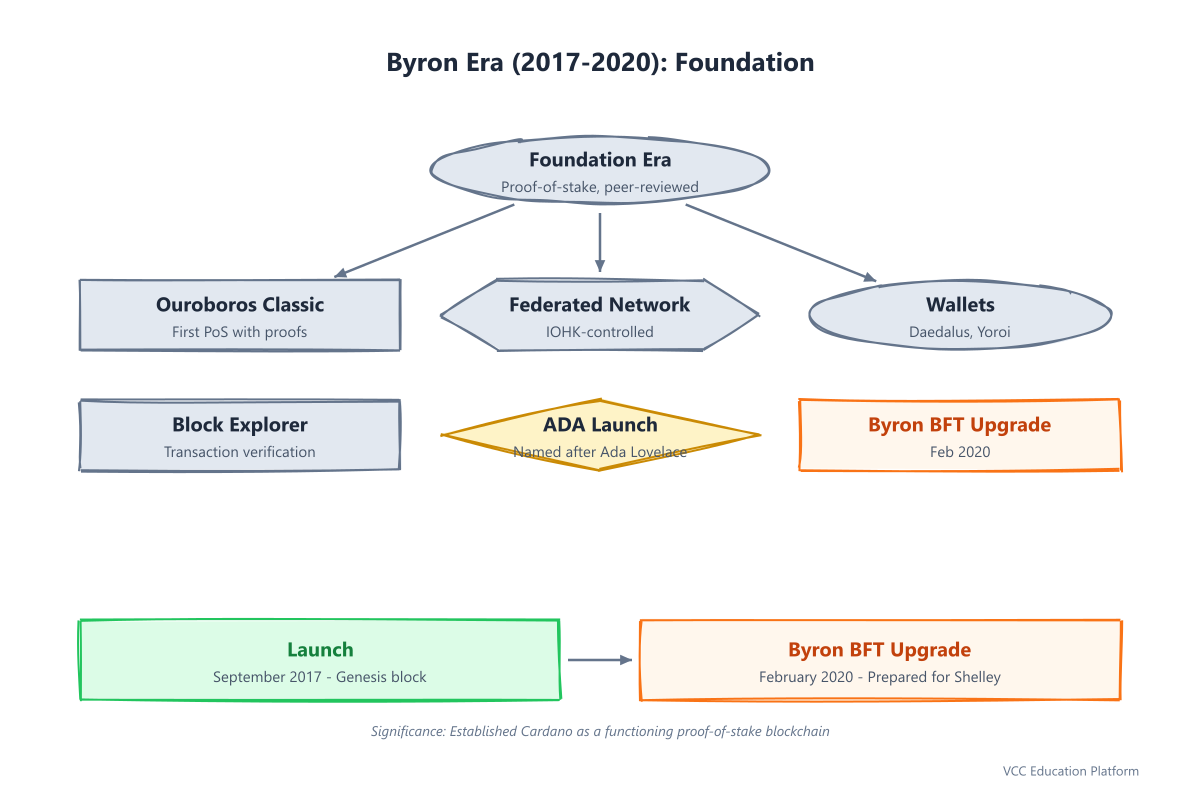
Figure 3: Key features and achievements of the Byron era
In February 2020, Byron underwent a technical upgrade to Ouroboros BFT (Byzantine Fault Tolerance), the only traditional hard fork in Cardano's history. This upgrade required a chain restart but was necessary to prepare the infrastructure for the smooth transition to Shelley's decentralized model.
Shelley Era (2020-2021): Decentralization and Staking
The Shelley hard fork on July 29, 2020 (Epoch 208) represented Cardano's transformation from a federated network to a community-operated decentralized blockchain. This era introduced stake pools—servers run by community members that validate transactions and produce blocks—and a delegation system allowing ADA holders to stake their holdings and earn rewards without running their own infrastructure.
The economic model introduced in Shelley created powerful incentives for decentralization. As more stake pools joined the network and more ADA holders delegated their stake, control gradually shifted from the founding entities to the distributed community. This careful, parameter-driven approach ensured that decentralization happened organically rather than abruptly, maintaining network security throughout the transition.
For users, Shelley meant the ability to earn passive income through staking rewards, typically 4-6% annually depending on delegation choices. For operators, it created opportunities to run stake pools and participate directly in network security. The era also marked the beginning of Project Catalyst, Cardano's decentralized funding mechanism that would later become central to Voltaire's governance features.
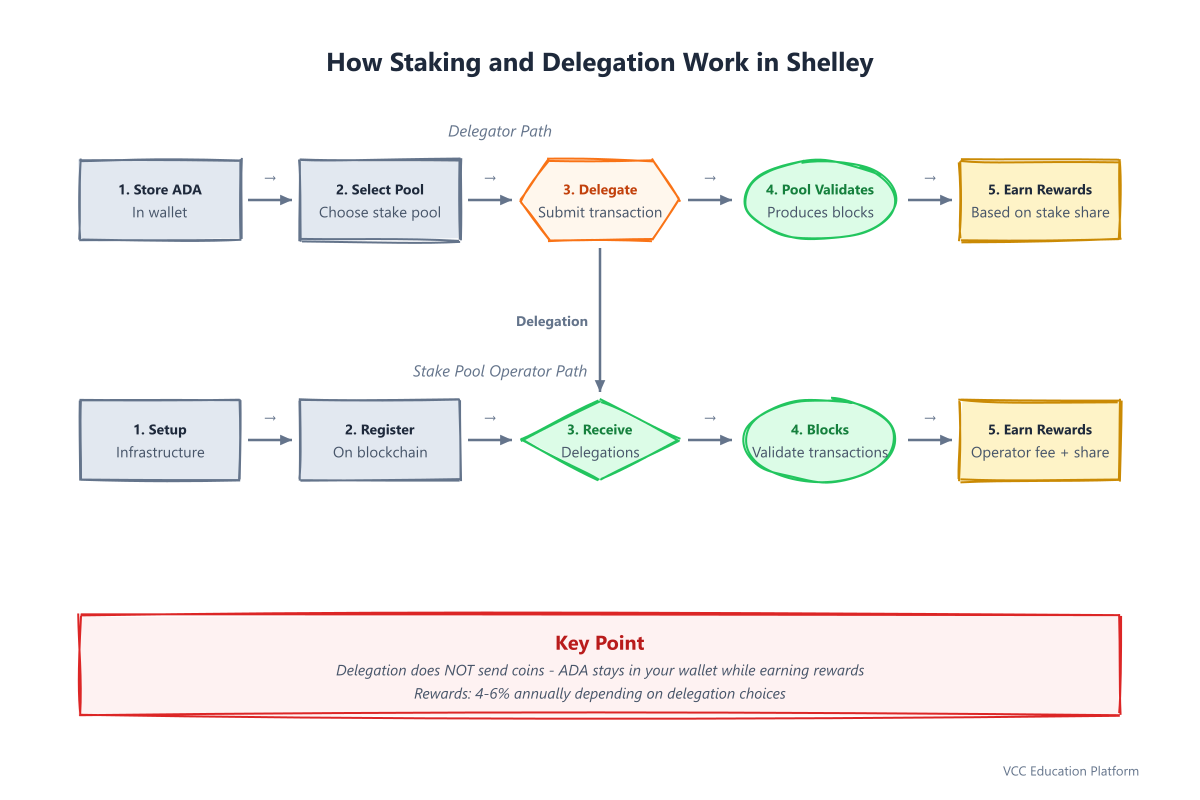
Figure 4: How staking and delegation work in Shelley
Goguen Era (2020-2022): Smart Contracts and dApps
The Goguen development phase unlocked Cardano's potential as a platform for decentralized applications by introducing smart contracts and custom token capabilities. Unlike Ethereum's single hard fork to add smart contracts, Goguen was delivered incrementally across multiple ledger eras, each adding specific capabilities.
Allegra (December 2020) added token locking functionality, enabling users to lock assets for specific time periods—a prerequisite for more complex financial applications. Mary (March 2021) introduced native multi-asset support, allowing anyone to create custom tokens without writing smart contracts. This was revolutionary because it eliminated the need for ERC-20 style token contracts, reducing complexity and improving security. Native tokens on Cardano are first-class citizens in the ledger, not smart contract artifacts.
Alonzo (September 2021) brought Plutus, Cardano's smart contract platform based on the Haskell programming language. Plutus enables developers to write secure, formally verifiable smart contracts using functional programming principles. Alongside Plutus came Marlowe, a domain-specific language designed for financial contracts that allows non-programmers to create smart contracts for common financial scenarios. An intra-era upgrade in October 2021 improved Plutus performance and added new cryptographic primitives.
Babbage (September 2022), named after Charles Babbage, introduced PlutusV2 with enhanced capabilities, reference inputs (allowing smart contracts to read blockchain data without consuming it), inline datums, and reference scripts. The Valentine upgrade in February 2023 added SECP signature support, enabling Bitcoin-style transactions and improving interoperability.
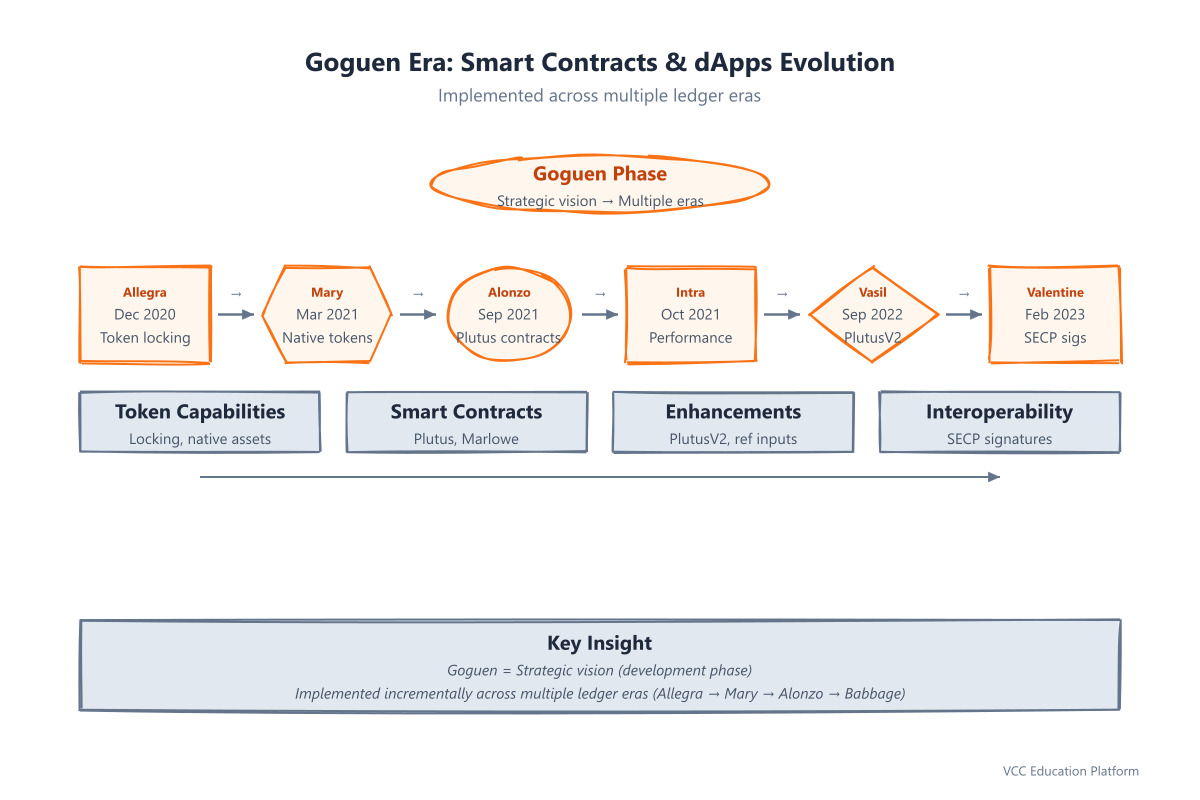
Figure 5: The evolution of the Goguen era
Basho Era (2022-Present): Scaling and Performance
The Basho era focuses on optimizing Cardano's performance and preparing the network for mass adoption through scaling solutions. Unlike previous eras that introduced new user-facing features, Basho is primarily about making the existing features faster, cheaper, and more capable of handling high transaction volumes.
The Babbage ledger era (part of Goguen but continuing into Basho) delivered significant performance improvements through the Vasil hard fork in September 2022. These enhancements reduced script execution costs, improved block propagation, and optimized the ledger for better throughput. Work continues on reducing node resource requirements, making it easier for more operators to run stake pools and further decentralizing the network.
The true scaling potential of Basho lies in layer-2 solutions. Hydra, Cardano's state channel protocol, enables near-instant transactions with minimal fees by processing payments off-chain and settling only the final result on-chain. Sidechains and partner chains (like Midgard) will allow specialized blockchains to interoperate with Cardano while handling specific use cases. These L2 solutions, combined with ongoing L1 optimizations, position Cardano to support global-scale applications without sacrificing security or decentralization.
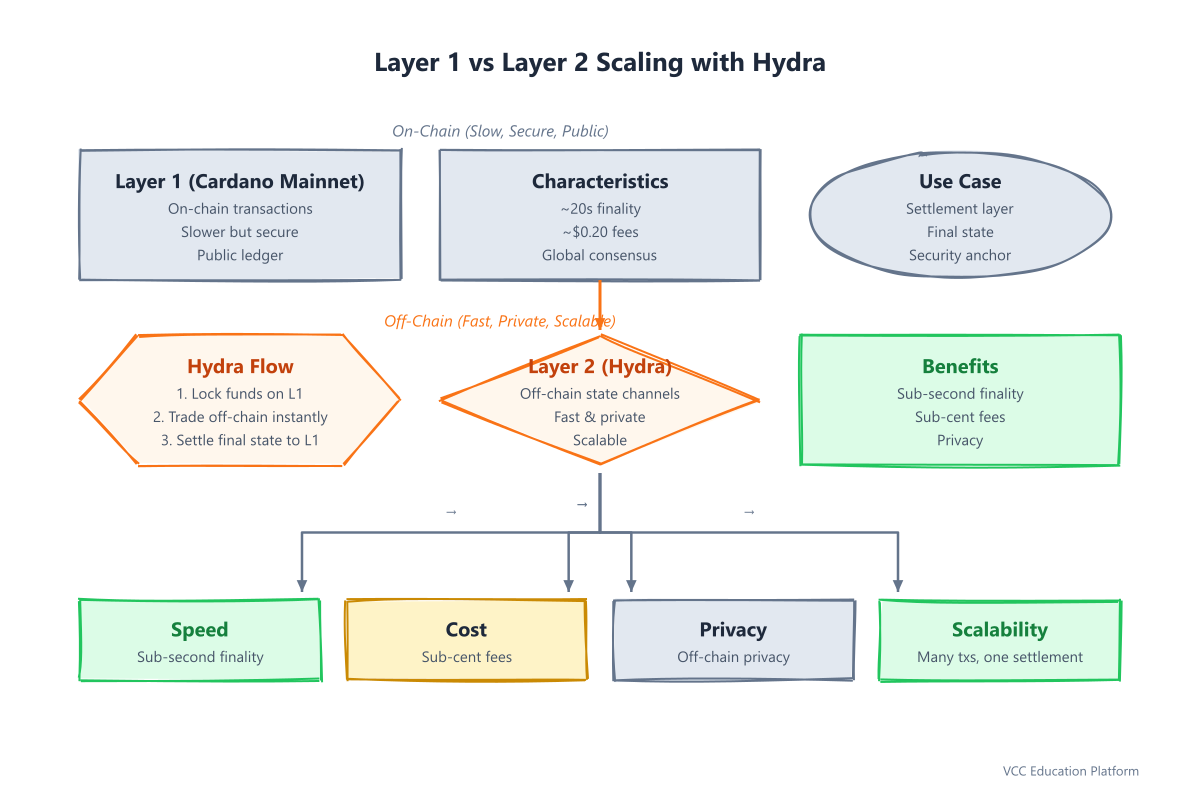
Figure 6: L1 vs L2 scaling on Cardano with Hydra
Voltaire Era (2024-Present): Governance and Treasury
The Voltaire era completes Cardano's original five-era vision by establishing on-chain decentralized governance and a self-sustaining treasury system. Implemented through the Conway ledger era, Voltaire transfers control of protocol parameters, treasury funds, and future hard forks from IOHK/Intersect MBO to the Cardano community.
The Chang hard fork (September 1, 2024, Epoch 507) activated the first phase of CIP-1694, Cardano's governance framework. This upgrade established the Constitutional Committee (a body with veto power over governance actions), enabled ada holders to register as Delegate Representatives (DReps), and initiated the bootstrapping phase for governance. During this period, governance powers were gradually transferred from the founding entities to the community.
The Plomin hard fork (January 29, 2025, Epoch 537) completed the governance transition by activating the full set of CIP-1694 governance actions. This marked the first community-driven hard fork in Cardano's history—approved by stake pool operators and the interim Constitutional Committee rather than decided by IOHK. With Plomin, ada holders can now vote directly on protocol changes, treasury withdrawals, constitutional amendments, and future hard fork initiations. DReps consolidate voting power from multiple ada holders, enabling representative democracy alongside direct participation.
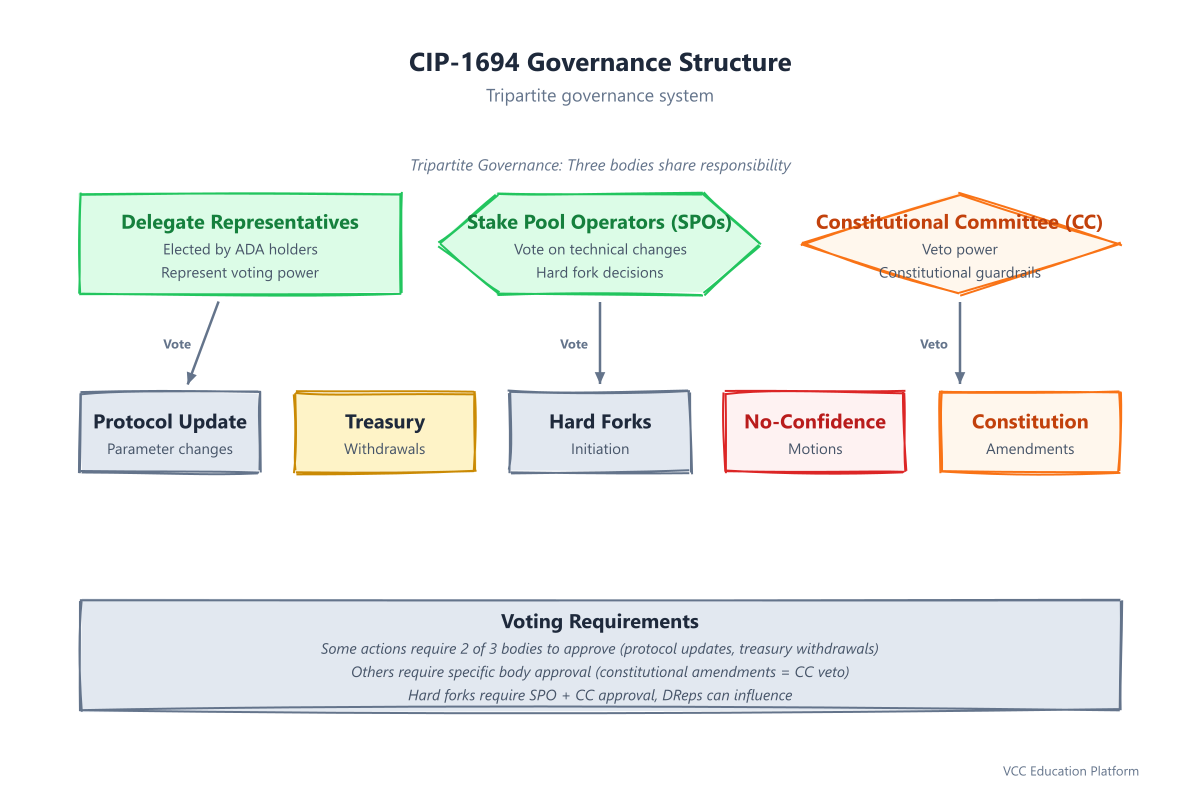
Figure 7: The CIP-1694 governance structure
Voltaire's completion means Cardano is now fully self-governing. The treasury, funded by a portion of transaction fees and block rewards, finances development through Project Catalyst proposals voted on by the community. This sustainable funding model ensures Cardano's continued development without dependence on any single organization.
Complete Hard Fork Timeline Table
The following table provides a comprehensive reference for all major Cardano hard fork events, including the era transitions, protocol versions, and key features introduced at each stage.
| Era/Ledger Era | Hard Fork Event | Date | Epoch/Block | Protocol Version | Key Features |
|---|---|---|---|---|---|
| Byron | Genesis Launch | September 2017 | Epoch 0 / Block 0 | 0.0 | Ouroboros Classic, federated network, Daedalus/Yoroi wallets |
| Byron | Byron BFT Upgrade | February 2020 | Epoch 176 / Block 3,801,600 | 1.0 | Ouroboros BFT consensus, preparation for Shelley |
| Shelley | Shelley Hard Fork | July 29, 2020 | Epoch 208 / Block 4,492,800 | 2.0 | Ouroboros Praos, stake pools, delegation, rewards |
| Goguen | Allegra Hard Fork | December 2020 | Epoch 236 / Block 16,588,800 | 3.0 | Token locking, timelock scripts |
| Goguen | Mary Hard Fork | March 2021 | Epoch 251 / Block 23,068,800 | 4.0 | Native multi-assets, custom tokens |
| Goguen | Alonzo Hard Fork | September 2021 | Epoch 290 / Block 39,916,975 | 5.0 | Plutus smart contracts, Marlowe financial contracts |
| Goguen | Alonzo Intra-Era | October 2021 | Epoch 298 / Block 43,372,972 | 6.0 | Plutus performance improvements, new cryptographic built-ins |
| Goguen | Babbage (Vasil) | September 2022 | Epoch 365 / Block 72,316,896 | 7.0 | PlutusV2, reference inputs, inline datums, reference scripts |
| Goguen | Babbage (Valentine) | February 2023 | Epoch 394 / Block 84,844,885 | 8.0 | SECP signature support, cleaner ledger rules |
| Voltaire | Conway (Chang) | September 1, 2024 | Epoch 507 / Block 133,660,855 | 9.0 | CIP-1694 governance bootstrapping, Constitutional Committee |
| Voltaire | Conway (Plomin) | January 29, 2025 | Epoch 537 / Block 146,620,809 | 10.0 | Full CIP-1694 governance, DRep activation, community-driven hard forks |
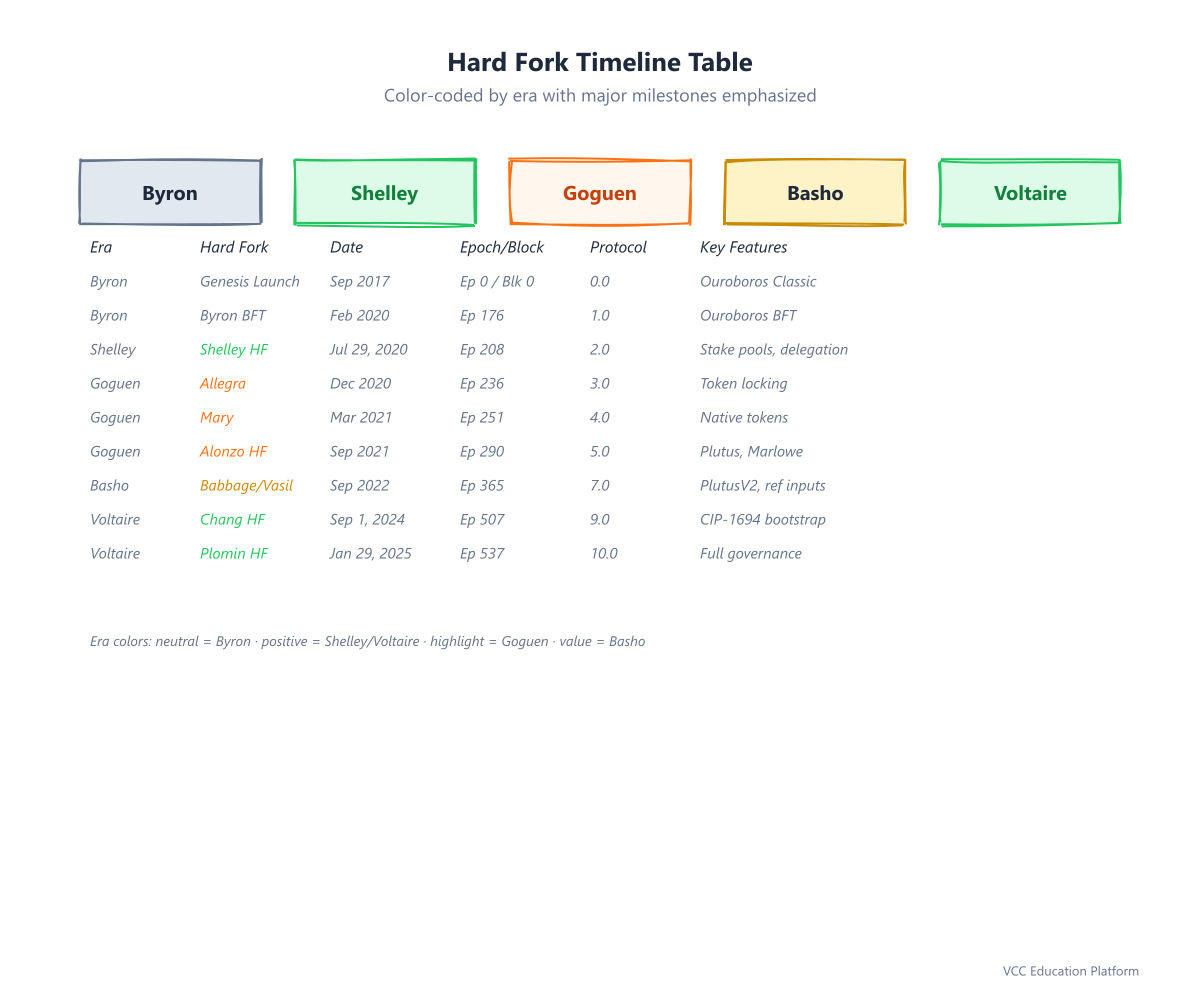
Figure 8: A color-coded hard fork timeline
How Each Era Impacted Cardano Users
Understanding the technical details of each era is important, but the real measure of Cardano's roadmap success is how these changes affected actual users—from early adopters buying their first ADA to developers building decentralized applications and community members participating in governance.
Byron: What Early Users Experienced
During the Byron era, users' interactions with Cardano were relatively simple but foundational. The primary use case was buying and selling ADA on cryptocurrency exchanges, then storing it in the Daedalus full-node wallet or the lighter Yoroi wallet. The federated network meant users didn't need to worry about staking or governance—they simply held ADA as an investment or for future use. The block explorer provided transparency, allowing users to verify that their transactions were recorded on the blockchain. This era established Cardano as a functioning proof-of-stake blockchain, proving that the academic research behind Ouroboros could work in practice.
Shelley: The Staking Revolution
Shelley transformed Cardano from a passive investment into an active participation model. ADA holders could now delegate their stake to stake pools and earn rewards, turning their holdings into income-generating assets. This created a powerful incentive to hold ADA rather than trade it, contributing to price stability and long-term holder loyalty. For technically inclined users, running a stake pool became a viable business opportunity, with pool operators earning rewards for maintaining network infrastructure. The delegation process was designed to be user-friendly—simple wallet interfaces allowed even non-technical users to participate in network security and earn rewards. Shelley also introduced the concept of "community ownership" of the network, a theme that would culminate in Voltaire's full governance implementation.
Goguen: The Smart Contract Era
Goguen opened Cardano to developers and entrepreneurs, enabling the creation of decentralized applications across finance, supply chain, identity, and numerous other sectors. The introduction of Plutus gave developers a powerful, secure smart contract language, while Marlowe made financial contracts accessible to domain experts without programming backgrounds. Native tokens (Mary era) allowed projects to launch custom tokens for various use cases without the complexity and security risks of smart contract-based tokens like ERC-20. This era saw the launch of decentralized exchanges (DEXs), NFT marketplaces, lending protocols, and other DeFi applications on Cardano. For users, Goguen meant access to a growing ecosystem of applications beyond simple holding and staking, enabling participation in decentralized finance and digital ownership.
Basho: Performance Improvements
While Basho is ongoing, its impact is already visible in faster transaction processing, lower fees, and improved user experience. The Vasil hard fork (Babbage era) reduced script execution costs, making smart contract interactions cheaper. Ongoing optimizations reduce the hardware requirements for running nodes, making it easier for more people to operate stake pools and further decentralizing the network. For end users, the most visible benefits will come from L2 solutions like Hydra, which promise sub-second transaction finality and sub-cent fees—essential for micropayments, gaming, and high-frequency trading applications. Basho's focus on scaling ensures that as Cardano's user base grows, the network can handle increased demand without compromising security or decentralization.
Voltaire: Community Governance
Voltaire empowers ada holders to shape Cardano's future directly. Through the governance system implemented in the Conway era, users can vote on proposals to fund development through Project Catalyst, participate in constitutional amendments, and decide on protocol parameter changes. DReps allow users to delegate their voting power to trusted representatives if they don't have time to research every proposal personally. This governance model transforms Cardano from a project developed by IOHK/Intersect MBO into a truly community-owned and governed blockchain. For Vietnamese users particularly, where the regulatory environment for cryptocurrency is evolving rapidly, Cardano's governance model offers a template for decentralized decision-making that aligns with the country's methodical approach to digital asset regulation.
Where Cardano Is Now: Current Status
As of August 2025, Cardano has completed the original five-era roadmap outlined at its inception. The network is fully decentralized, with stake pool operators producing blocks and ada holders actively participating in governance through DReps and direct voting. The Conway ledger era (part of Voltaire) is live, with both Chang and Plomin hard forks successfully implemented, enabling the full CIP-1694 governance framework.
Governance is now fully operational. The Constitutional Committee, DReps, and SPOs share responsibility for ratifying governance actions. The treasury funds development through Project Catalyst, with the community voting on which proposals receive funding. Recent governance decisions have included approval of the IOE (Input Output Engineering) roadmap proposal for 2025, marking the first major technical roadmap approved through decentralized governance rather than IOHK decision-making.
Ongoing work focuses on Basho scaling optimizations (Hydra reaching production readiness, Leios protocol moving from research to prototype) and refining governance processes to increase DRep participation and improve voter education. The network has maintained zero outages throughout its entire history, a testament to the rigorous engineering and Hard Fork Combinator design that enables seamless upgrades.
The Future of Cardano's Roadmap
With the original five-era vision complete, Cardano's roadmap has evolved into a continuous, community-driven process shaped by governance decisions rather than a fixed plan from IOHK. However, the 2025 proposed roadmap from the Intersect MBO Product Committee outlines key priorities that have received community support and funding approval.
2025 Proposed Roadmap Highlights
The Leios protocol represents the most ambitious scaling initiative, introducing parallel block processing to dramatically increase transaction throughput. Instead of a single linear chain of blocks, Leios uses multiple "input blocks" created and endorsed independently by stake pool operators, then aggregated into "endorsement blocks" and finalized by a "ranking block." This parallel approach has the potential to deliver 10-65x current throughput while maintaining security and decentralization.
L2 expansion continues with Hydra reaching production readiness, offering state channels for sub-second finality and sub-cent fees ideal for micropayments and real-time applications. Midgard and other rollup solutions will provide additional scaling options for specific use cases. Developer experience improvements focus on enhanced APIs, better tooling, Plutus optimizations (targeting 25% script overhead reduction), and formal verification tools through Cardano High Assurance.
Cardano 2030 Vision
Looking toward 2030, Cardano aims to support billions of users as a foundational layer for the decentralized global economy. Key elements of this vision include post-quantum cryptography to protect against future quantum computing threats, interoperability features to serve as a hub connecting multiple blockchains, and continued research into scaling solutions to handle global transaction volumes. The emphasis remains on research-driven development, formal verification, and community governance—the principles that have guided Cardano since its inception.
Why Cardano's Roadmap Approach Matters
Cardano's methodical, research-driven approach to blockchain development distinguishes it from projects that prioritize speed over rigor. The five-era framework, parallel development across phases, and Hard Fork Combinator upgrade mechanism all reflect a philosophy that values long-term sustainability over short-term gains. This approach has resulted in a blockchain with zero outages, a proven security model through peer-reviewed research, and a governance system that truly empowers the community.
For Vietnamese users and developers, Cardano's emphasis on education, formal verification, and gradual governance adoption aligns well with the country's evolving regulatory framework for digital assets. As Vietnam implements its pilot crypto asset market program through Resolution 05/2025, Cardano's model of decentralized governance and community-driven development offers a relevant case study in how blockchain networks can evolve responsibly while maintaining security and decentralization.
Conclusion
The Cardano roadmap history represents a remarkable journey from academic concept to fully decentralized, community-governed blockchain. From Byron's foundational launch through Shelley's decentralization, Goguen's smart contract capabilities, Basho's scaling improvements, and Voltaire's governance implementation, each era has built systematically on the previous one. The completion of the original five-era vision in January 2025 with the Plomin hard fork marks not an ending but a new beginning—Cardano is now positioned to evolve through community governance rather than centralized planning.
For readers interested in participating in Cardano's next chapter, the opportunities are numerous. You can stake your ADA to earn rewards and support network security, participate in governance by voting on proposals or becoming a DRep, contribute to development through Project Catalyst, or build decentralized applications using Plutus and Marlowe. The Cardano roadmap history demonstrates that methodical, research-driven development can deliver a robust, sustainable blockchain—and the community now has the tools to shape its future.
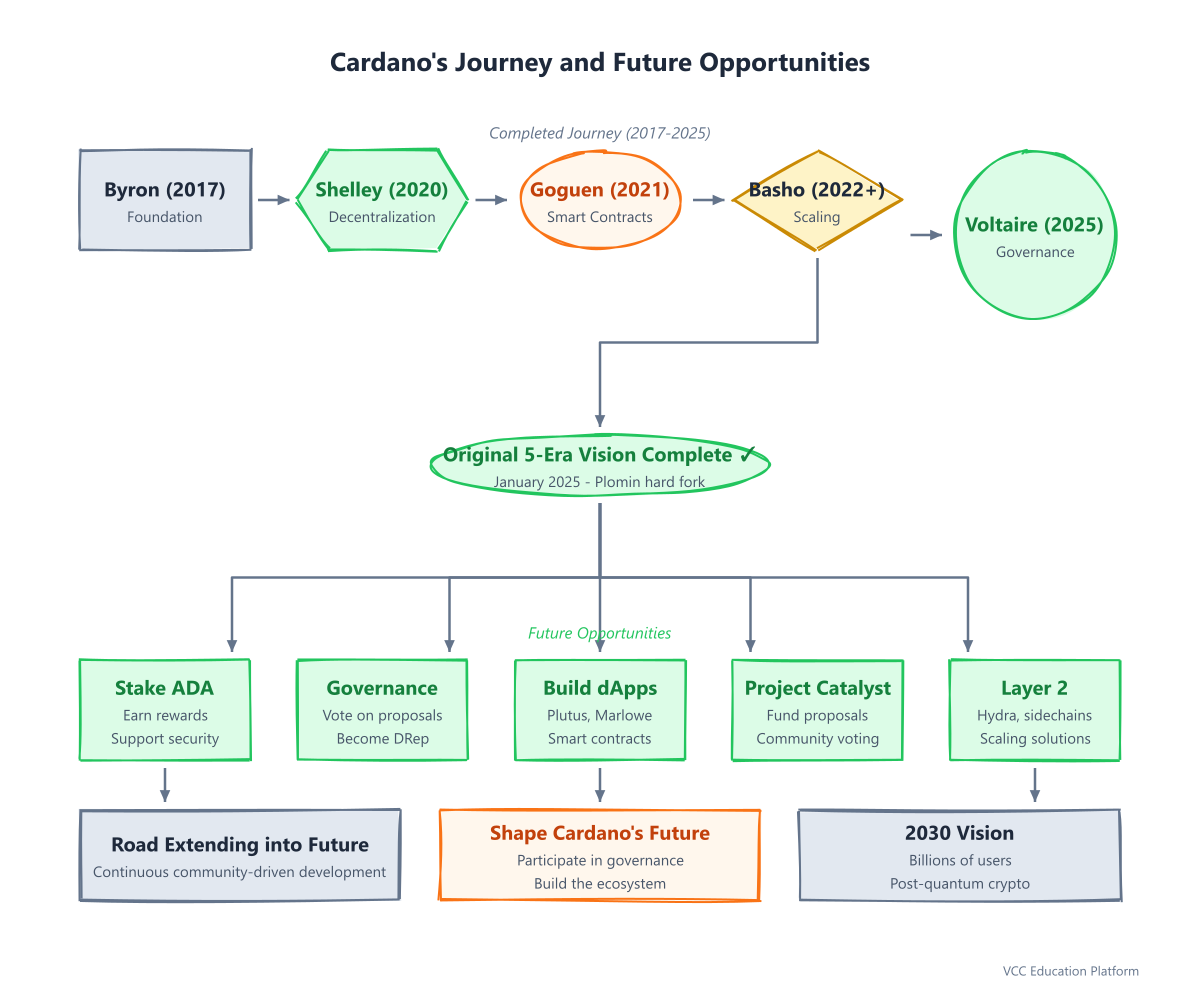
Figure 9: Cardano journey and future opportunities