
Meta Description: Learn about Cardano improvement proposals (CIPs) — what they are, how the CIP process works, famous CIPs like CIP-25 and CIP-1694, and how beginners can read, discuss, and even propose one. A clear guide for Vietnamese crypto newcomers.
Open a block explorer for Cardano and you'll see votes, minting policies, and protocol updates that all trace back to one source: Cardano improvement proposals (CIPs). Every feature you use — the NFTs in your wallet, the dApps you connect to, the on-chain governance that decides Cardano's future — started as one of these documents.
But what exactly is a CIP — often written as one word, "cardano cip"? How does an idea in someone's head become a live feature on a rigorously peer-reviewed blockchain? And why should a beginner in Vietnam care? This guide explains it all from the ground up — no coding required.
What Is a Cardano Improvement Proposal?
A Cardano improvement proposal (CIP) is a formal design document for the Cardano community — and the name of the process that produces those documents. The Cardano Foundation describes CIPs as the primary mechanism for proposing new features, collecting community input, and documenting design decisions.
Three things make a CIP special:
- It's public by design. CIPs are text files in a public GitHub repository (
cardano-foundation/CIPs), so their revision history is a permanent record of every change ever proposed. - It's a standard format. Anyone can read a CIP because they all share the same structure, adapted from the internet's classic RFC (Request for Comments) approach.
- It separates the paper from the law. A CIP describes a change; whether it ships depends on implementation, testing, and sometimes on-chain governance.
In short, a CIP is how the Cardano community speaks the same language about change.
The Town Hall: Who Can Propose a CIP?
Imagine a town hall meeting. Anyone can stand up and propose something — a new park, a traffic rule, a community event. The town still needs a written record of every proposal, a fair process, and someone to keep the meeting orderly.
Cardano works the same way:
- Anyone can create a CIP. Developers, users, academics, researchers — being a programmer is common but not a requirement.
- The author builds consensus. Writing the document is half the job; the proposer must gather community support and document dissenting opinions fairly.
- Discussion is public. Proposals are debated in pull-request comments, on the Cardano Forum, and at bi-weekly CIP meetings on Discord that anyone can attend.
A community of one can't change Cardano — but a community of thousands, talking openly about a shared document, absolutely can.
How CIPs Work: From Idea to Active
The lifecycle of a CIP follows a clear path:
- Idea — someone sees a problem worth solving.
- Draft — they write the CIP and open a pull request on GitHub. This is a draft CIP: it exists for discussion but isn't yet on the official list.
- Proposed — CIP editors approve the draft, it's merged into the repository, and it receives a number and official status.
- Active — the change takes effect: implemented in software, deployed to mainnet, or adopted across the ecosystem.
- Inactive — the CIP is superseded, abandoned, or obsolete.
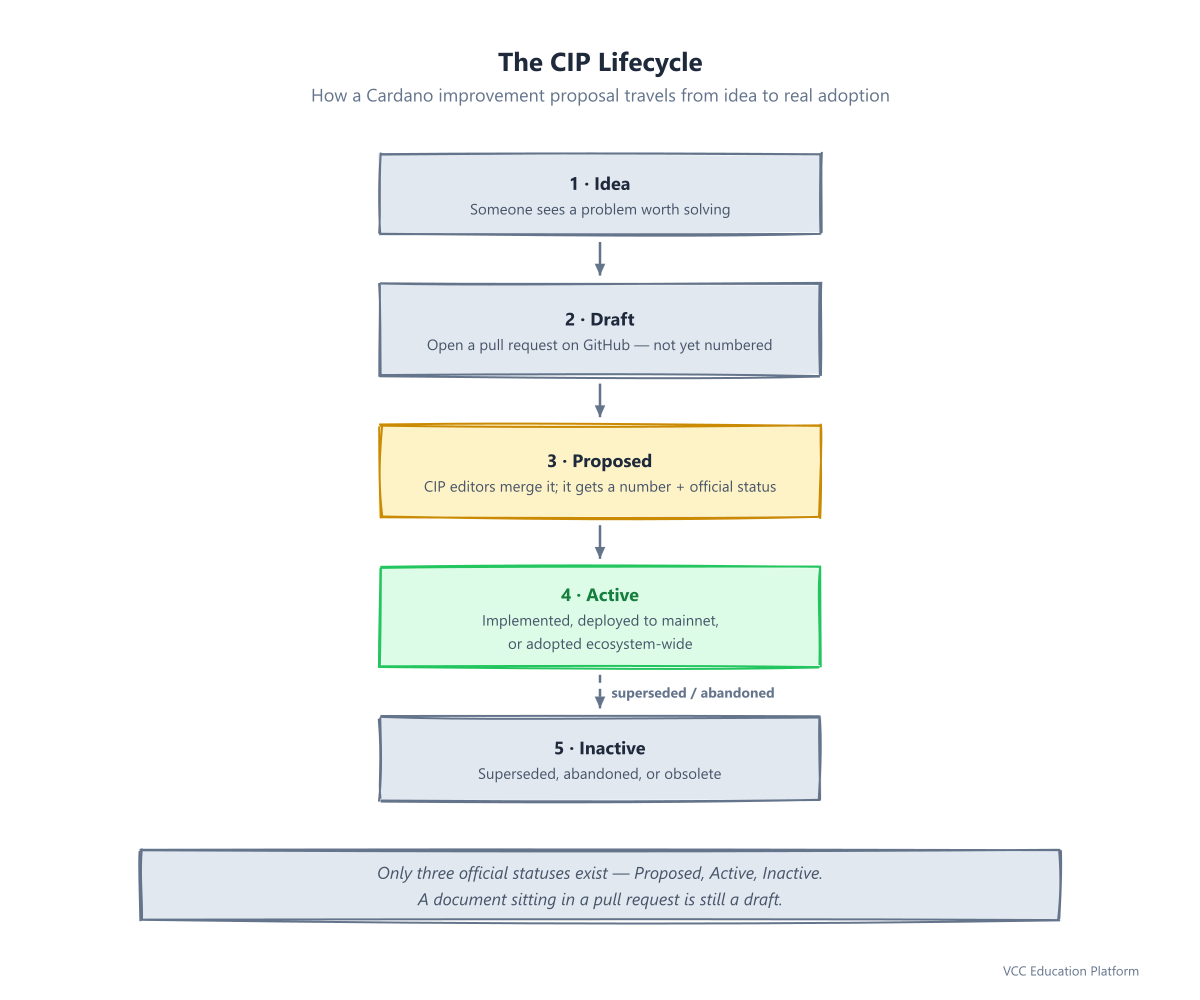
Figure 1: The CIP lifecycle — from idea to a live feature
The key transition is Proposed to Active. Every CIP must define a Path to Active: measurable Acceptance Criteria and an Implementation Plan. For a technical CIP, Active usually means the software shipped and went live on mainnet; for a standard, that real wallets and marketplaces adopted it. When the criteria are met, the author submits a request to change the status.
Key insight: "Active" is a trust signal. When a CIP is marked Active, someone actually built it, tested it, and shipped it.
Reading a CIP: The Preamble
Every CIP opens with a preamble — a structured block that reads like a form. Learn to scan it and you can understand any CIP in thirty seconds, even the deeply technical ones.
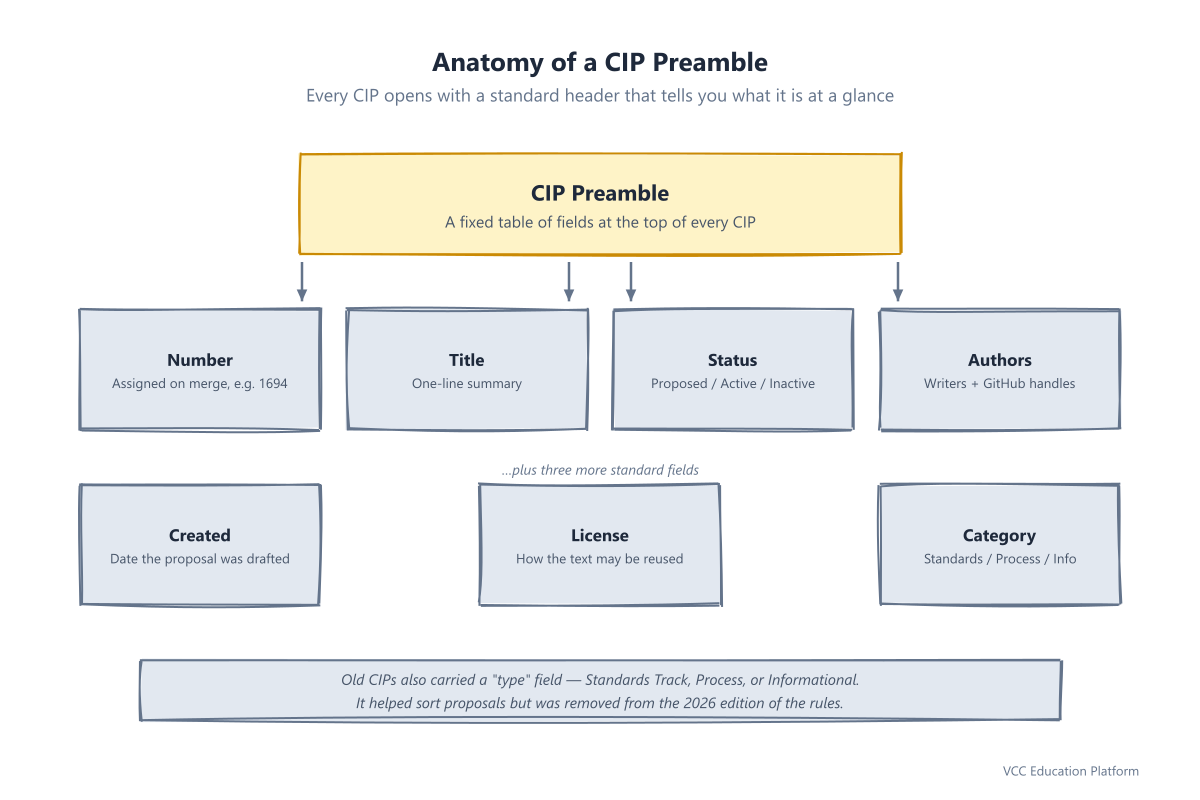
Figure 2: The preamble — a CIP’s structured summary at a glance
| Field | What it tells you |
|---|---|
| CIP | The unique number (e.g. CIP-25) |
| Title | What the proposal is about, in plain words |
| Status | Proposed, Active, or Inactive |
| Category | The area it affects (Tokens, Wallets, Governance, etc.) |
| Authors | Who wrote it |
| Created | When the discussion started |
| License | The legal terms (most are CC-BY-4.0) |
After the preamble come the body sections: an Abstract (one-paragraph summary), Motivation (why it's needed), Specification (technical detail), and the Path to Active. For a beginner, the Abstract and Motivation are enough to grasp the point of a CIP.
List of CIPs: Five You Should Know
There are hundreds of CIPs, and the full list of CIPs lives in the repository and on the official site, cips.cardano.org. A handful are so widely used that you'll meet them constantly in the Cardano ecosystem.
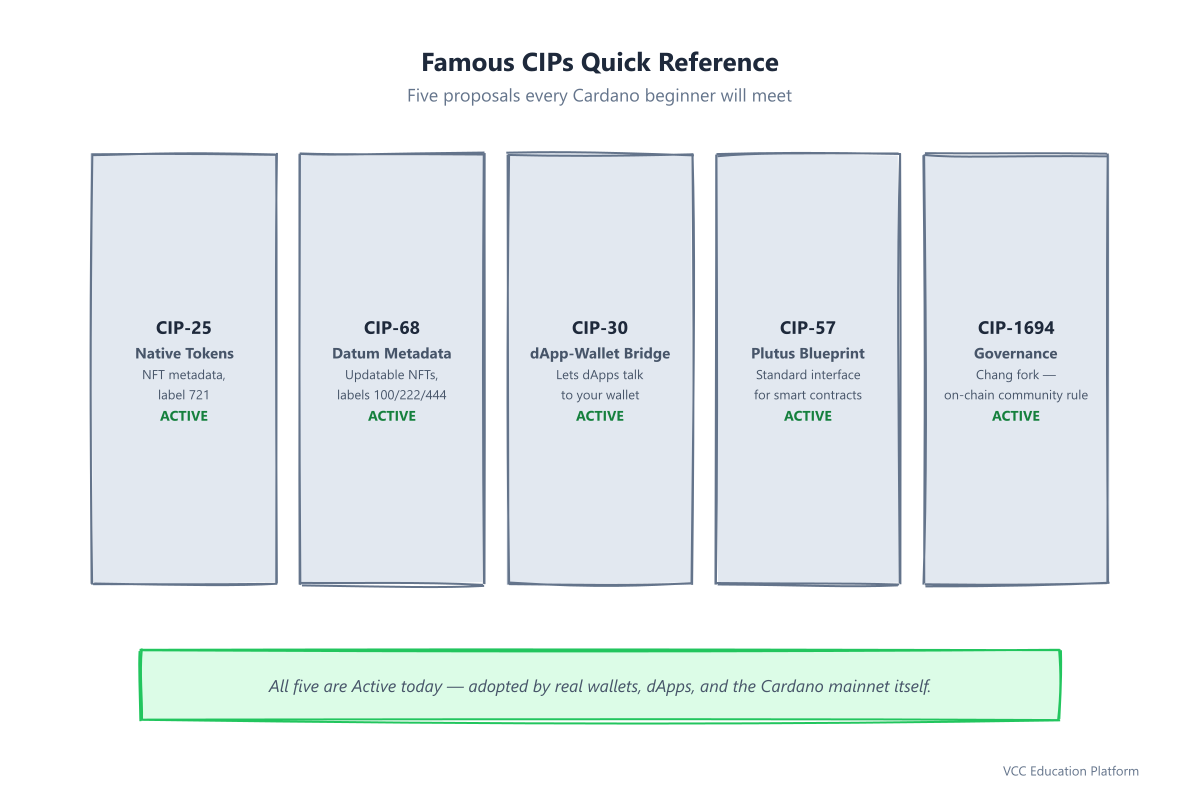
Figure 3: Five famous CIPs you will meet constantly in the Cardano ecosystem
| CIP | Name | What it does | Status |
|---|---|---|---|
| CIP-25 | Media Token Metadata Standard | The de facto NFT standard — how wallets and marketplaces read an NFT's name, image, and attributes (label 721) | Active |
| CIP-68 | Datum Metadata Standard | A newer NFT standard storing metadata on-chain so it can be updated and read by smart contracts | Active |
| CIP-30 | Cardano dApp-Wallet Web Bridge | Lets websites talk to browser wallets — the "connect wallet" button on every dApp | Active |
| CIP-57 | Plutus Contract Blueprint | A machine-readable blueprint of a smart contract, so others can integrate it safely | Active |
| CIP-1694 | On-Chain Decentralized Governance | The basis of the Voltaire era — lets ADA holders vote on Cardano's future | Active |
CIP-25 (April 2021) made NFTs work on Cardano. Its trade-off is that NFT metadata is effectively frozen after minting — exactly the problem CIP-68 later solved by storing metadata in an updatable on-chain structure.
CIP-30 is why "connect wallet" works everywhere — it's Cardano's equivalent of Ethereum's web3. It's implemented by Eternl, Lace, Nami, Yoroi and most major wallets, and used by popular dApps like JPG Store, Minswap, and SundaeSwap.
The CIP Process Behind the Headlines
You now know how a single CIP moves from idea to Active. Three mechanisms keep the whole system honest: editors, open meetings, and hard forks.
CIP Editors: The Town Moderators
CIP editors safeguard the process. When a draft arrives, they check completeness and formatting, confirm technical soundness, make sure discussion ran long enough, and assign the CIP number and category. The whole community reviews technical claims; editors make the last call on whether a proposal meets the standard.
Bi-Weekly Meetings
Every two weeks, the community gathers on Discord to discuss open proposals. These CIP meetings are public, recorded, and summarized on GitHub and YouTube.
Hard Forks: Where CIPs Meet the Chain
The most consequential CIPs change the Cardano protocol itself, and protocol changes ship through hard forks. That's how CIP-1694 came to life: after two years of workshops and testing, the Chang hard fork went live on 1 September 2024, implementing on-chain governance.
Named after the year of Voltaire's birth, CIP-1694 introduced:
- One lovelace = one vote. Every ADA holder can vote directly or delegate.
- Three governance bodies — the Constitutional Committee, Delegated Representatives (DReps), and Stake Pool Operators — each with distinct powers.
- A ratified Cardano Constitution, approved on-chain in February 2025 with 85% support.
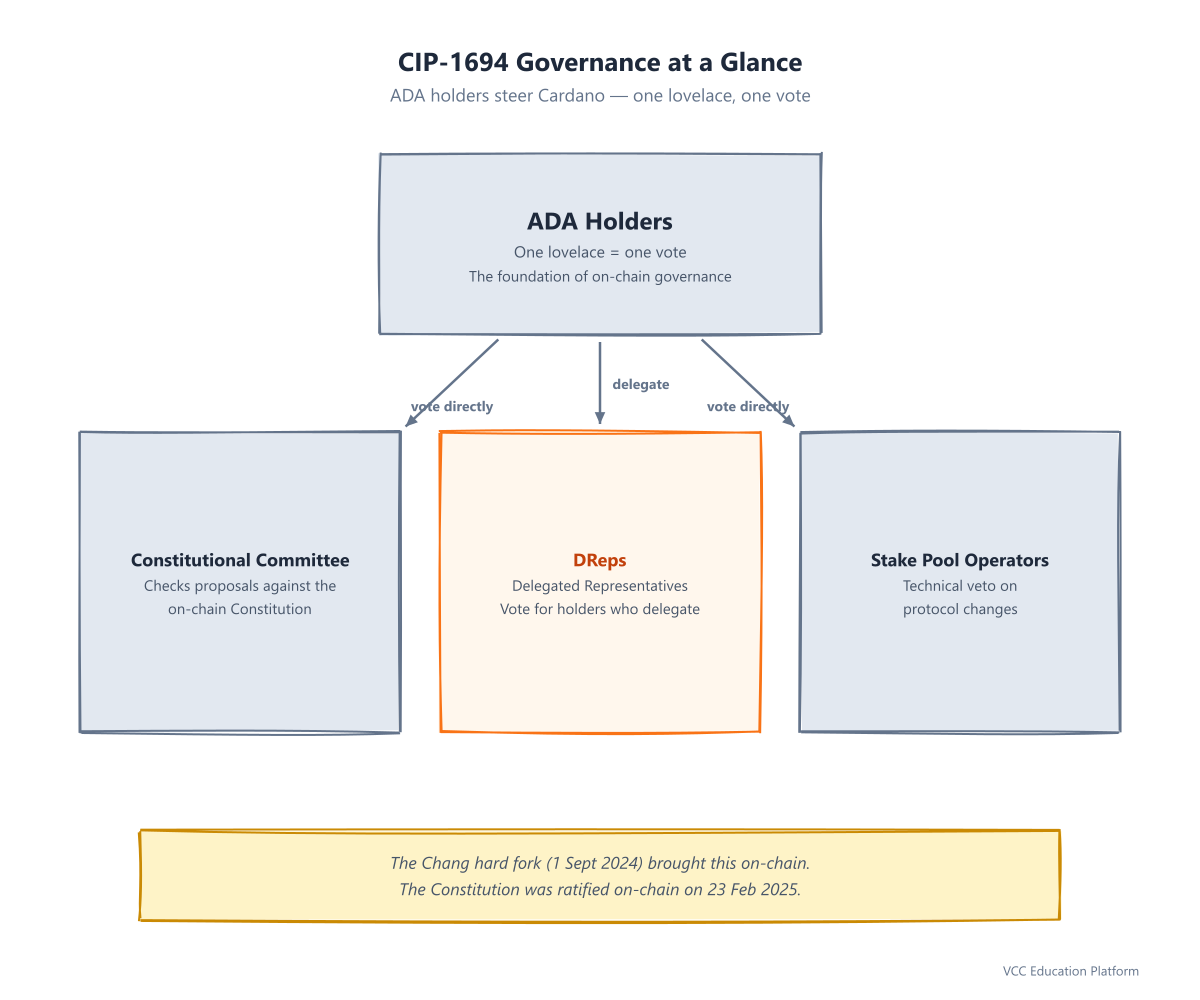
Figure 4: CIP-1694 — how on-chain governance works
The community that writes CIPs now also votes on the changes those CIPs propose.
Why CIPs Matter for Vietnam
You might think: isn't governance for experts? The opposite is true — CIPs are among the lowest-effort, highest-value things a Vietnamese crypto user can engage with:
- Better decisions. Every ADA holder in Vietnam is entitled to a governance vote. Reading CIPs is how you vote with understanding instead of guessing.
- Low-effort participation. The Abstract and Preamble give you the gist of any CIP in a minute. On most matters you can delegate your vote to a DRep who thinks like you — one action, done.
- An early-mover gap. CIPs are overwhelmingly written in English. Vietnamese translations of standards and governance documents are rare — a genuine opportunity for the community to lead.
How Beginners Can Get Involved
You don't need to be a developer to join the CIP process. Here's a beginner's path, in increasing order of commitment:
- Read. Browse cips.cardano.org — pick any famous CIP (start with CIP-25) and read its Abstract.
- Watch. Attend a bi-weekly CIP meeting on Discord, or watch a recorded summary on YouTube.
- Discuss. Comment on a proposal or join the Cardano Forum thread.
- Delegate. Choose a DRep (or vote "Abstain") so your stake is represented in governance.
- Propose. When you're confident, write your own draft. It takes effort — but the process is open to everyone.
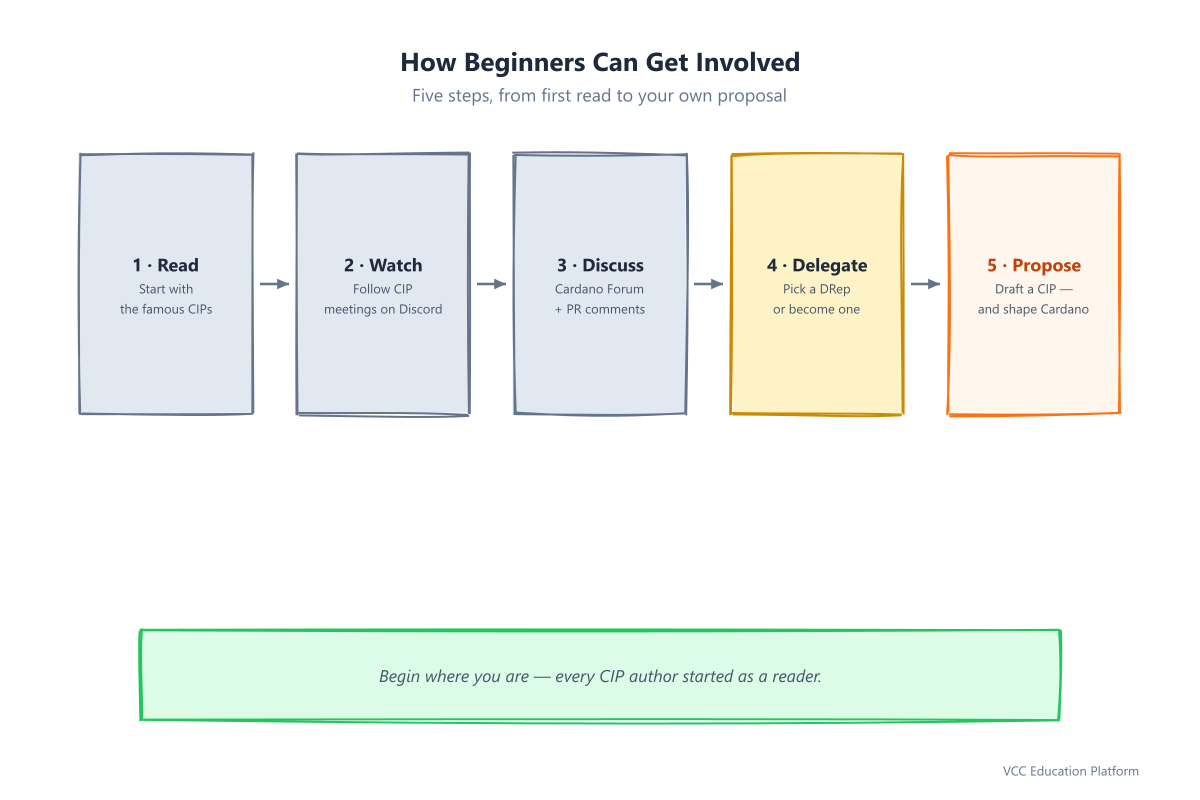
Figure 5: A beginner’s path into the CIP process
Common Misconceptions
| Misconception | Reality |
|---|---|
| "CIPs are only for developers" | Anyone can read, discuss, and propose |
| "A merged CIP means it's live" | No — Proposed is merged but not in production; Active means shipped |
| "CIPs are laws Cardano must follow" | They're proposals. Adoption happens through implementation and hard forks |
| "Only IOHK/Input Output writes CIPs" | The community does. CIP-1694 came from 50+ global workshops |
Quick Recap
- A Cardano improvement proposal is a formal, public design document — the community's way of proposing and recording change.
- Merged CIPs have three statuses: Proposed, Active, and Inactive — Active means real adoption.
- The biggest CIPs ship through hard forks, like CIP-1694 via the Chang fork.
- Anyone can participate: read, discuss, delegate — or one day, propose.
Cardano's future is written in CIPs — and it's an open document, with a seat for every holder.
FAQ
What is a CIP in Cardano? A Cardano improvement proposal (CIP) is a formal design document for the Cardano community — the primary mechanism for proposing new features, collecting input, and documenting design decisions.
How many CIPs are there? Hundreds. The full list of CIPs is maintained in the cardano-foundation/CIPs GitHub repository and browsable at cips.cardano.org.
Is CIP-1694 still active? Yes. CIP-1694 (on-chain governance) is Active. It went live with the Chang hard fork on 1 September 2024, and the Cardano Constitution was ratified on-chain in February 2025.
How does a CIP become Active? It meets its own Path to Active criteria — implementation and mainnet deployment for technical CIPs, adoption by wallets and dApps for standards — and the author submits a status-change request.
Do I need to know how to code to read a CIP? No. The Abstract and Motivation explain any CIP in plain language, and the Preamble summarizes it at a glance.
Can a Vietnamese user propose a CIP? Yes. The process is open to anyone, anywhere. English is the working language, but discussion and translation are community efforts.