
You've learned about Cardano's consensus (Ouroboros) and network architecture. Now let's talk about ADA — the token that powers everything. ADA is how you pay for transactions, secure the network through staking, and participate in governance.
Here's the one-sentence version: ADA is the native cryptocurrency of Cardano, with a fixed maximum supply of 45 billion, used for transaction fees, staking to secure the network, and voting on governance decisions.
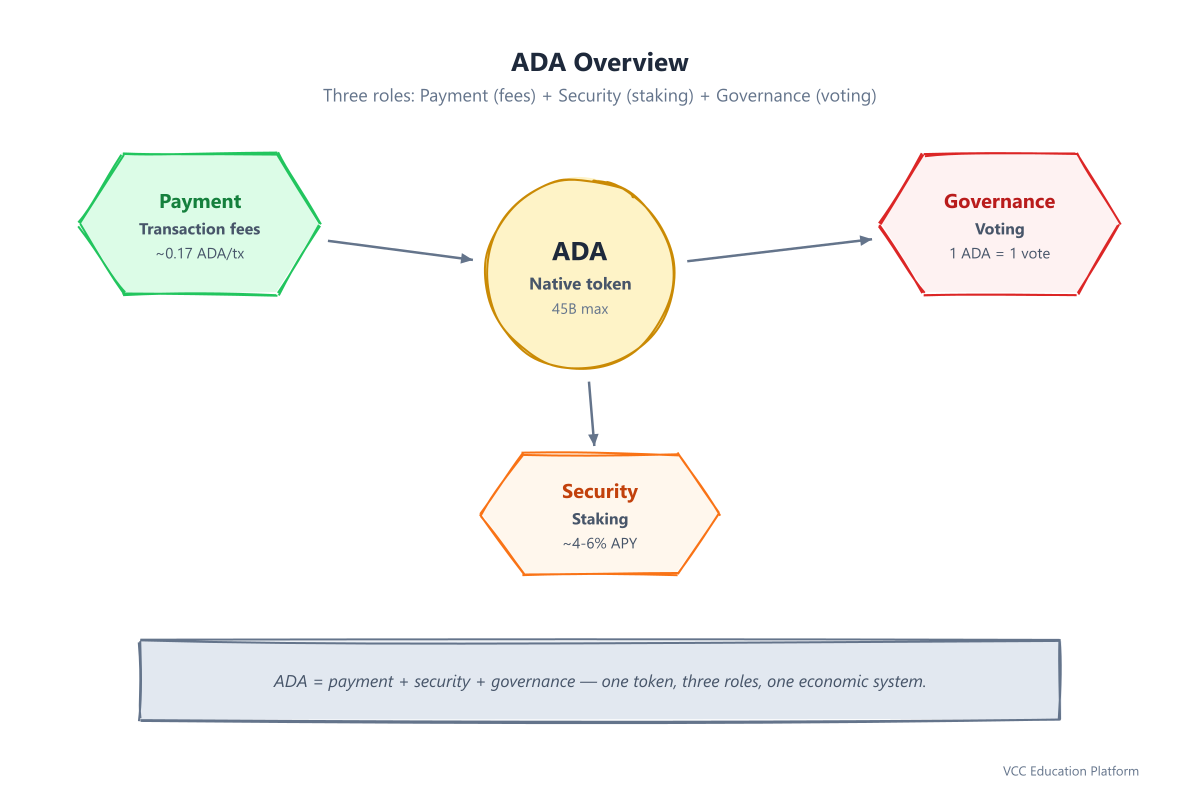
Figure 1: ADA — one token, three roles
ADA's Triple Role
ADA serves three distinct purposes on Cardano:
1. Payment (Transaction Fees)
Every transaction on Cardano requires a small fee paid in ADA. This covers:- Network security: fees incentivize stake pools to process transactions
- Spam prevention: fees make it expensive to flood the network
- Treasury funding: a portion of fees goes to the Cardano treasury, funding future development
Typical fee: ~0.17 ADA per transaction (~$0.10 at current prices) — dramatically cheaper than Ethereum's $5-50 fees.
2. Security (Staking)
ADA holders can stake their tokens to a stake pool, helping secure the network. In return, they earn rewards (~4-6% APY). Staking doesn't lock your ADA — you can spend it anytime (liquid staking).3. Governance (Voting)
Since the Voltaire upgrade (CIP-1694), ADA holders can vote on governance proposals through their chosen DRep (Delegated Representative). 1 ADA = 1 vote — your voting power is proportional to your stake.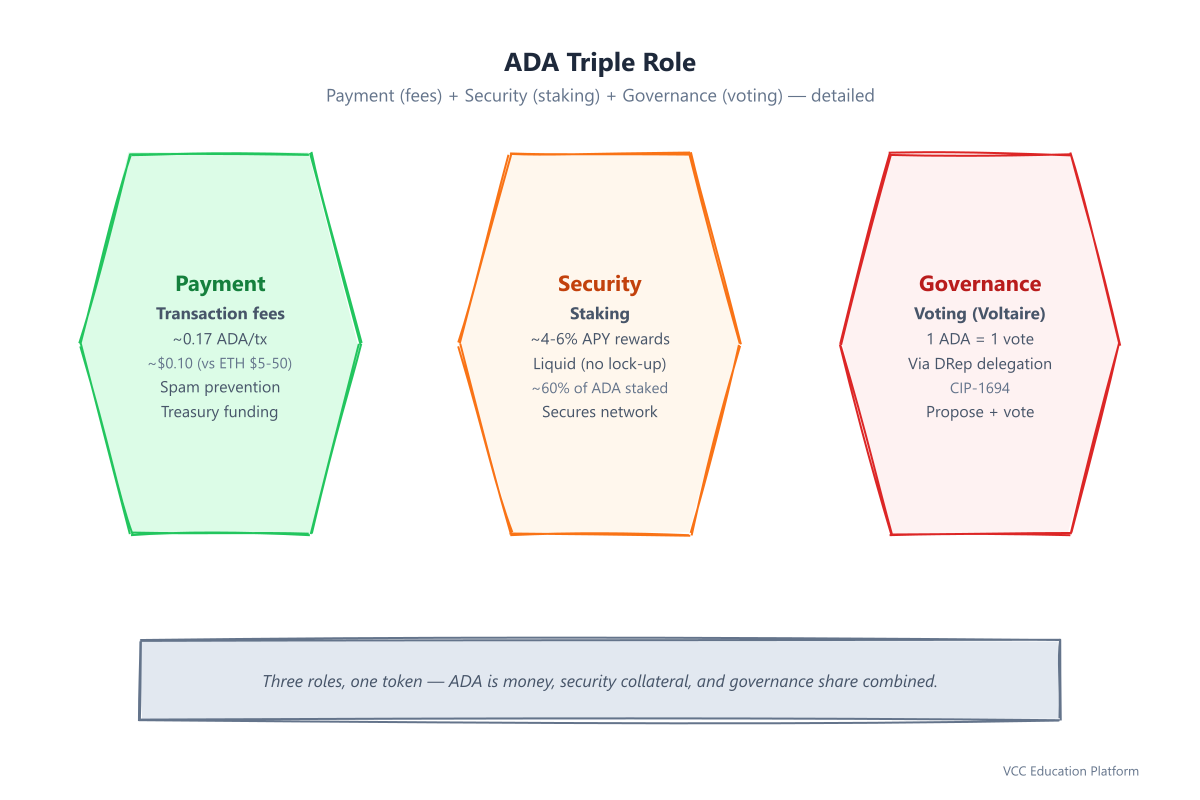
Figure 2: ADA triple role — payment, security, governance
Supply: Fixed and Deflationary
Cardano has a fixed maximum supply of 45 billion ADA. This is hardcoded — no more can ever be created. Key facts:
- Circulating supply: ~35 billion ADA (as of 2026)
- Staked: ~22 billion ADA (~60% of circulating supply)
- Treasury: ~2+ billion ADA (growing from fees)
- Max supply: 45 billion (fixed, cannot be increased)
Unlike fiat currencies (VND, USD) that can be printed indefinitely, ADA's supply is finite — similar to Bitcoin's 21 million cap but with a larger supply for practical use.
Deflationary mechanism: a portion of transaction fees is burned (sent to an unrecoverable address), gradually reducing circulating supply over time.
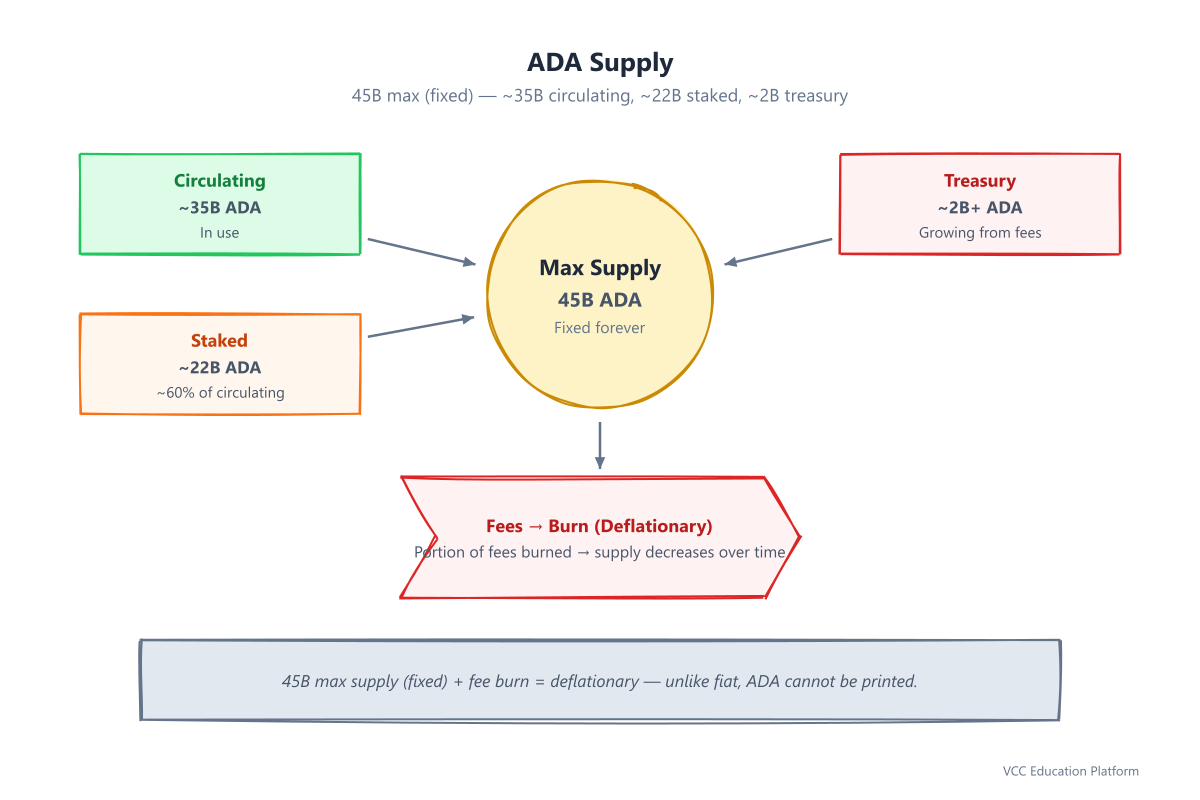
Figure 3: ADA supply — fixed max, deflationary via fee burn
How to Get ADA
Exchanges
ADA is available on all major exchanges:- Binance, Coinbase, Kraken, KuCoin — buy with USD, EUR, VND (via P2P)
- Vietnamese exchanges: Coinhako, Remitano (P2P)
Wallets
Once purchased, store your ADA in a wallet:- Daedalus — full node wallet (most secure, downloads full chain)
- Yoroi — light wallet (browser extension, mobile)
- Hardware wallets — Ledger, Trezor (maximum security)
Key principle: "Not your keys, not your coins." If you leave ADA on an exchange, the exchange controls it. Move to your own wallet for true ownership.
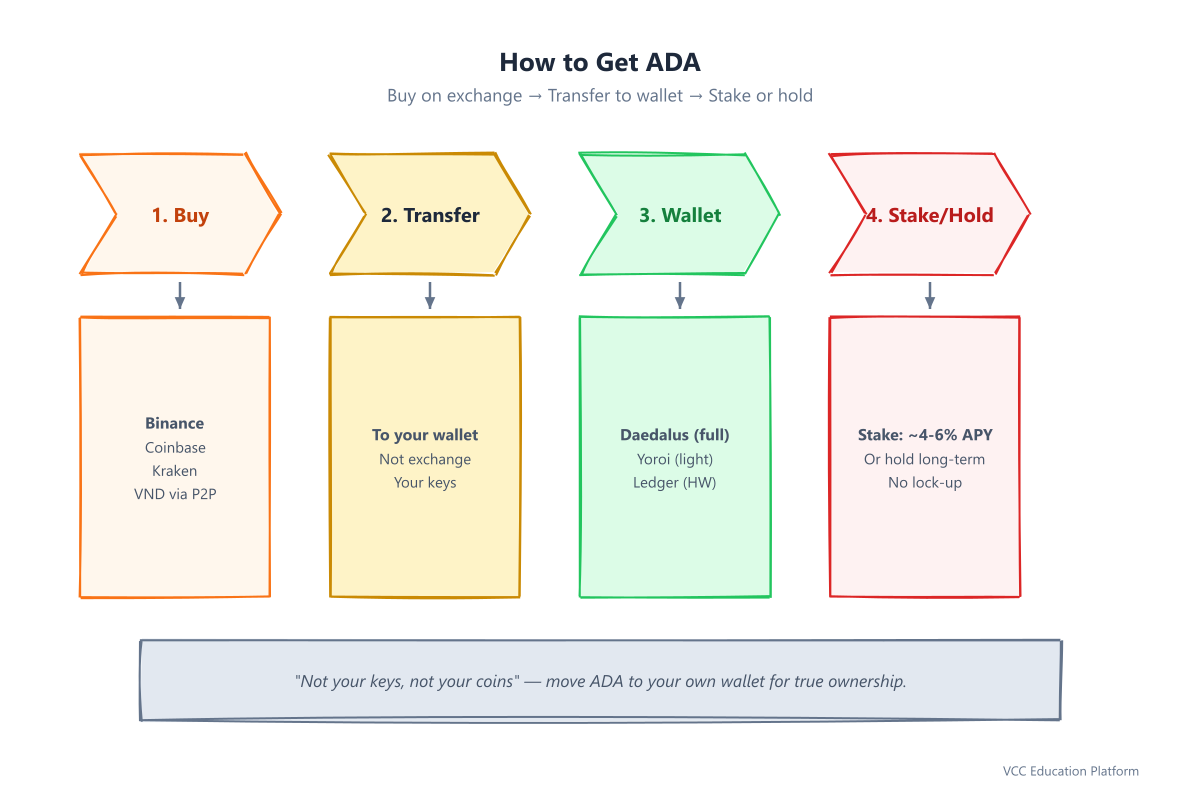
Figure 4: How to get ADA — buy, transfer, stake
Native Tokens: More Than Just ADA
Since the Mary hard fork (March 2021), Cardano supports native tokens — custom tokens created directly on the Cardano blockchain without smart contracts.
How native tokens differ from ERC-20:
- ERC-20 (Ethereum): tokens are smart contracts — each transfer executes code, costs more, has smart contract risk
- Native tokens (Cardano): tokens are part of the ledger itself — transfers are simple ledger entries, cheaper, no smart contract risk
ADA remains the base currency for paying fees, but you can hold and transfer any native token (stablecoins, NFTs, project tokens) on Cardano.
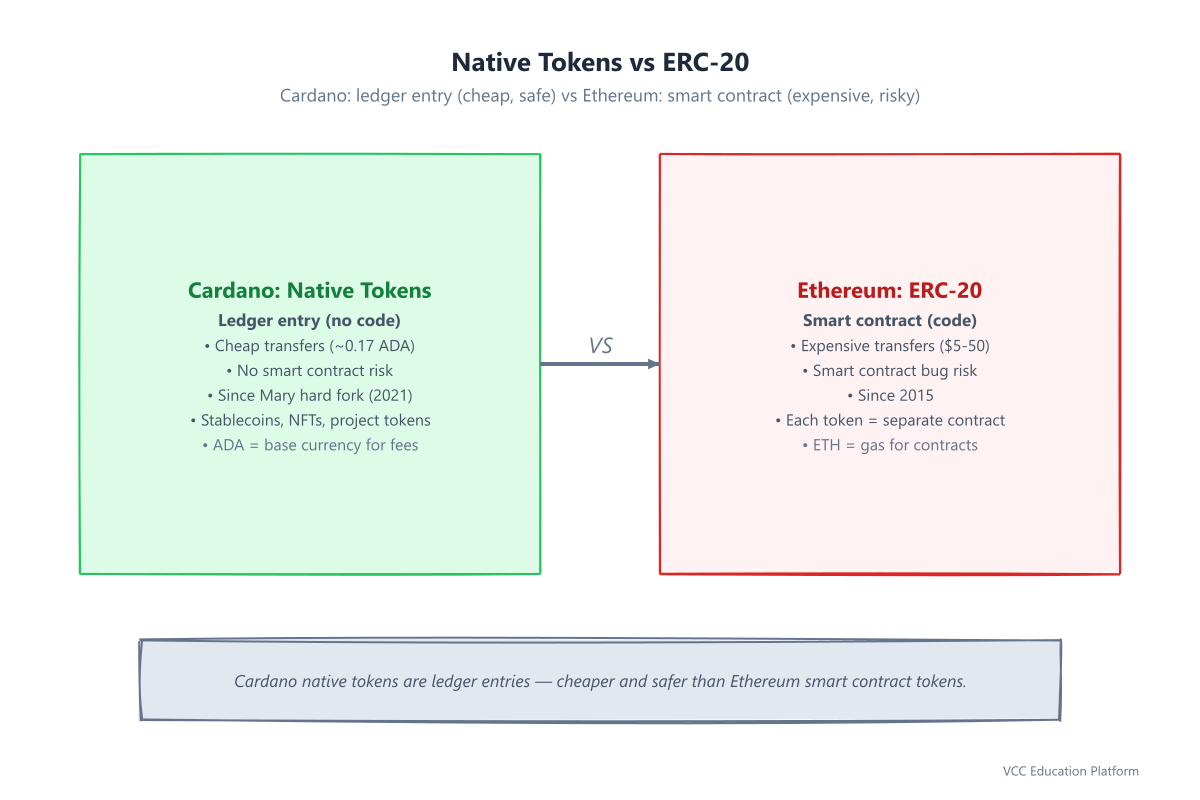
Figure 5: Native tokens vs ERC-20 — Cardano vs Ethereum
Staking: Earning Passive Income
Staking is the easiest way to earn passive income with ADA:
- Choose a stake pool — ~3000+ available, compare fees and performance
- Delegate your ADA — no lock-up, you keep custody
- Earn rewards — ~4-6% APY, paid automatically each epoch (5 days)
- Withdraw anytime — staked ADA is liquid, spend when you want
Key point: staking does NOT mean giving up your ADA. You delegate the stake weight to a pool, but your coins stay in your wallet. This is fundamentally different from "staking" on other blockchains that lock your tokens.
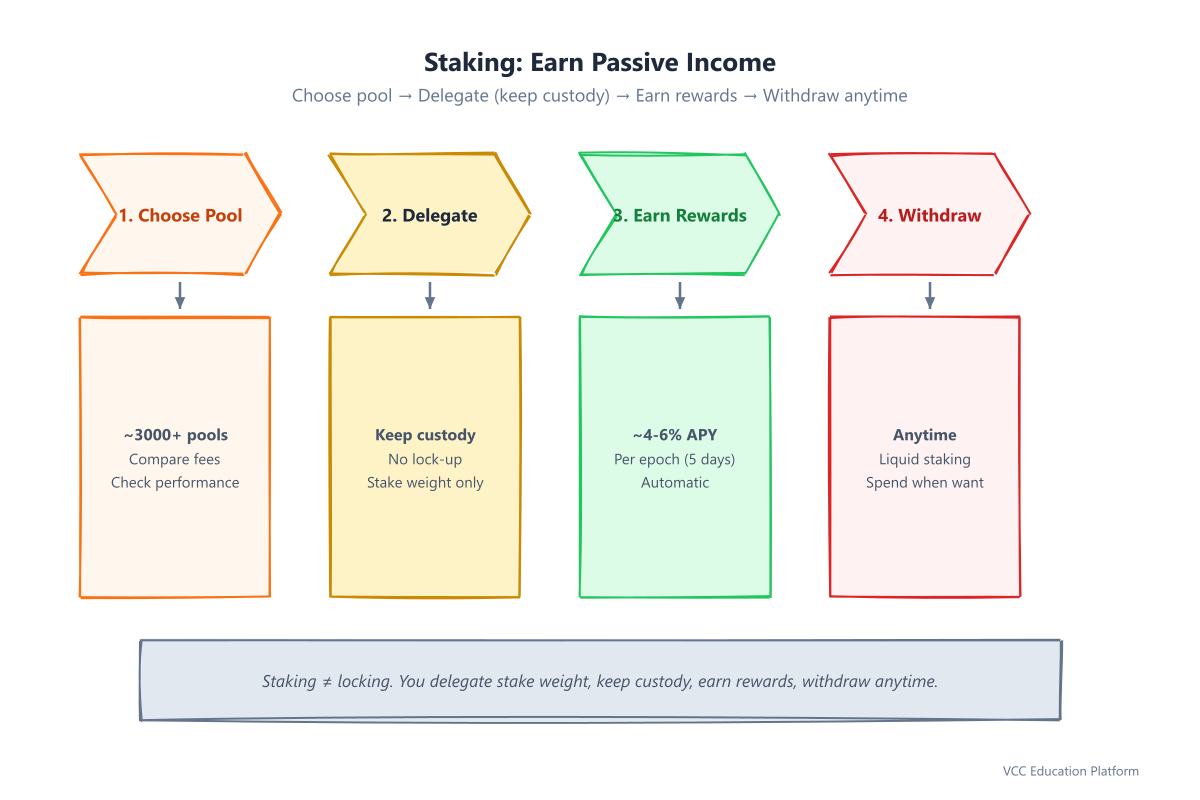
Figure 6: Staking — earn passive income with no lock-up
For Vietnamese Readers: "Tiền Điện Tử" and "Cổ Phiếu"
Two Vietnamese concepts make ADA intuitive:
"Tiền điện tử" (digital money): ADA is digital money for the internet age. Just as you use VND to buy goods in Vietnam, you use ADA to pay for transactions on Cardano. The difference: ADA works globally, 24/7, without banks or borders.
"Cổ phiếu" (stock/share): ADA is also like holding shares in Cardano itself. More ADA = more voting power in governance (like shareholder voting). Staking rewards are like dividends — passive income for holding. But unlike stocks, ADA is also a currency you can spend.
This triple nature — money + security + governance — is what makes ADA unique among cryptocurrencies. Bitcoin is only money. Ethereum's ETH is money + gas. ADA is money + security + governance — a complete economic system in one token.
Quick Reference
| Property | Value |
|---|---|
| Token | ADA |
| Blockchain | Cardano |
| Max supply | 45 billion (fixed) |
| Circulating | ~35 billion |
| Staked | ~22 billion (~60%) |
| Transaction fee | ~0.17 ADA (~$0.10) |
| Staking APY | ~4-6% |
| Governance | 1 ADA = 1 vote (CIP-1694) |
| Native tokens | Since Mary hard fork (March 2021) |
| Wallets | Daedalus, Yoroi, Ledger, Trezor |